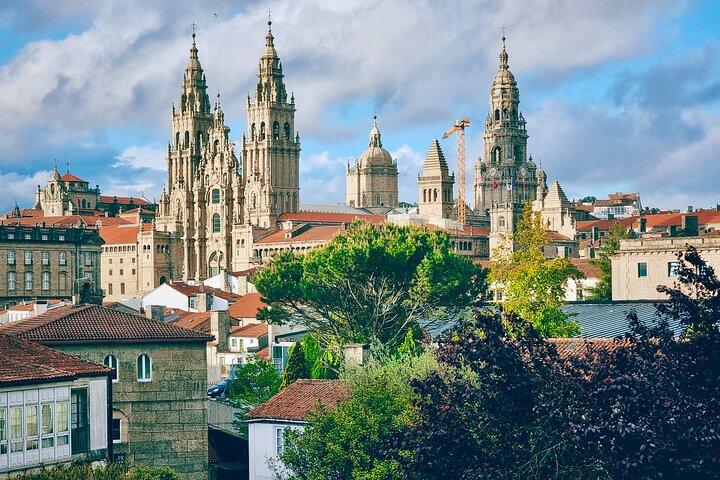
Santiago de Compostela is a compact granite city in the green north-west corner of Spain, and it exists because of a shrine. For more than a thousand years pilgrims have walked here to honour Saint James the Apostle, and the cathedral that holds his tomb still draws walkers from every continent. The old town is a UNESCO World Heritage site, a maze of arcaded lanes and sunlit squares that is easy to explore on foot. Most first-time visitors find that the city is smaller, wetter and warmer in spirit than they expected.
How many days
Two days cover the headline sights comfortably: the cathedral, the Praza do Obradoiro, the old town, the market and a good meal. Three days leave room for a day trip to the coast, and four or five let you add a second excursion and slow down. A single day is possible if you are passing through, but you will need to choose between the cathedral interior, the museum and a walk in the lanes.
Start at the cathedral
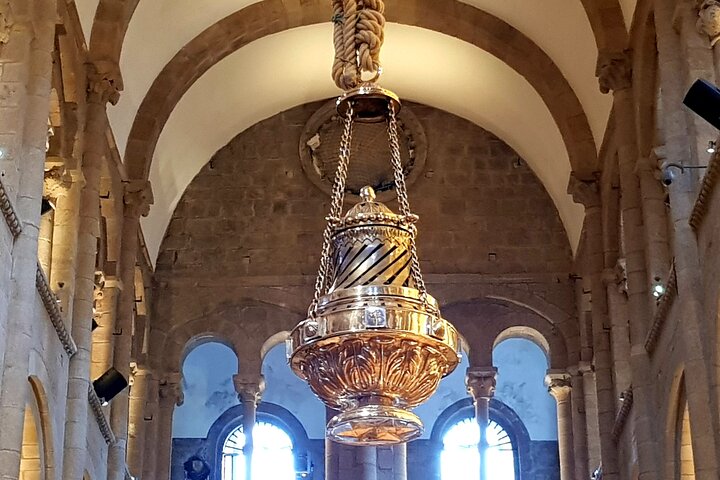
Begin in the Praza do Obradoiro, where the Baroque facade rises over the cobbles, then enter the cathedral to see the Portico of Glory, the high altar and the crypt. Plan your visit around the pilgrims' mass at midday, either to attend or to avoid. If you want to see the Botafumeiro swung, check the schedule ahead. A fast-entry ticket or a guided visit saves time in busy months, and the rooftop tour is the best way to see the building from above.
Walk the old town
The streets around the cathedral hold most of the city's character. Rúa do Franco is the famous eating street, the Praza das Praterías has the horse fountain, and the Praza da Quintana is a broad stepped square beside the cathedral's east end. A small-group walking tour on your first morning gives context and saves wandering. Afterwards, return on your own to the places that caught your eye.
Do not skip the market
The Mercado de Abastos is a short walk from the Praza de Cervantes and shows Galicia at its best: fish, shellfish, cheese, bread and vegetables, sold by people who know their produce. Go in the morning, take cash and ask what things are. Many visitors say the market is as memorable as any monument.
Getting around
The old town is largely pedestrian and you will walk almost everywhere. Streets are cobbled and sometimes steep, so bring comfortable shoes with grip, because granite is slippery in the rain. Taxis are easy to find, and city buses connect the old town with the train station, the bus station and outlying districts. The airport is a short drive outside the city, and a taxi or a shuttle takes you to the centre in around twenty minutes.
Weather
Galicia is green because it rains, and Santiago is one of the wetter cities in Spain. Pack a light waterproof and shoes that can handle puddles whatever the season. Summer is warm and often sunny but not hot in the way the south is. Winter is damp and mild. Rain rarely stops a visit, and the arcades give cover for much of the old town.
What to book ahead
A few things are worth reserving: the rooftop tour, the museum or Portico of Glory visit in busy months, any food tour or tapas tasting, and day trips such as the Cíes Islands, which depend on the ferry season. Accommodation in the old town fills fast around 25 July, the feast of Saint James, and in Holy Years, when the Holy Door is open and visitor numbers soar.
Respect and pace
The cathedral is a working church, and many people around you have just finished a long walk and may be emotional. Dress modestly, keep voices low in the nave and follow the staff's guidance on photography. Do not rush the experience. The best moments in Santiago are often unplanned: a bagpiper in an archway, a pilgrim collapsing happily on the stones of the square, a glass of wine at a window table as the rain passes.
What to skip or shorten
If you are short of time, skip the longer day trips and focus on the cathedral, the old town, the market and one good meal. If you do not enjoy museums, spend your time in the lanes and parks instead. If you love the coast, consider adding a night in Fisterra or a stay in the Rías Baixas. Whatever you choose, leave an hour or two of free time, because Santiago rewards wandering.