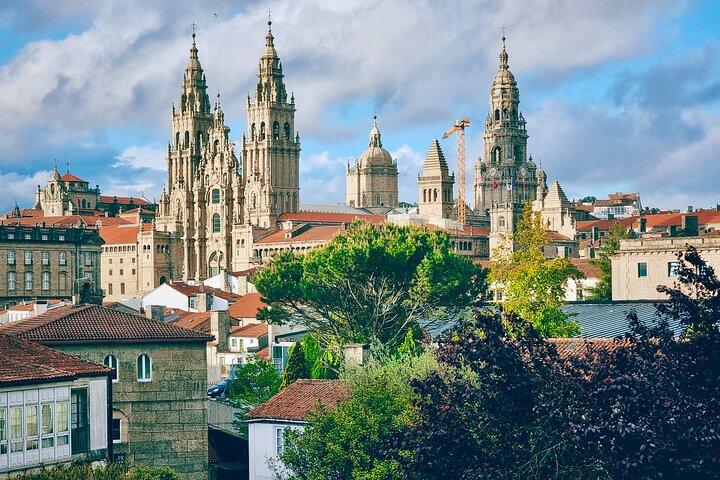
Three days is the sweet spot for Santiago de Compostela. It gives you time for the cathedral and the old town at a relaxed pace, a proper look at the food, and one big excursion to the coast or the wine country. This itinerary mixes the essentials with room to wander, and it can be rearranged around the weather.
Day one: the cathedral and the old town
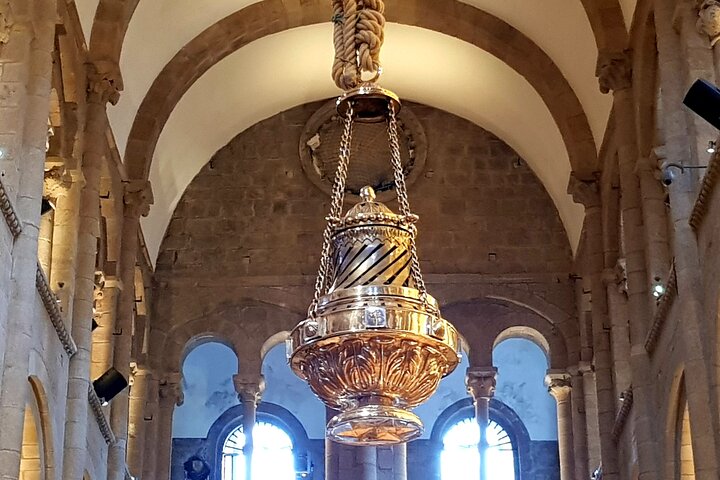
Start in the Praza do Obradoiro early, before the crowds arrive, and take in the facade and the four buildings around the square. Enter the cathedral to see the Portico of Glory and the high altar, ideally with a fast-entry ticket or a guide. Break for coffee and a pastry, then join a small-group walking tour of the old town to learn the stories behind the lanes and squares. Have a late lunch on or near Rúa do Franco, then rest. In the afternoon, visit the cathedral museum or climb the roofs for the view. Plan to attend or watch the pilgrims' mass if your timing allows, and spend the evening on a tapas crawl.
Day two: market, park and monastery
Begin at the Mercado de Abastos in the morning, when the stalls are at their liveliest. Buy cheese or fruit for a picnic, or simply wander and taste. Walk up to the Alameda for the classic view of the cathedral and a stroll through the oak grove. After lunch, visit San Martiño Pinario, the great Benedictine monastery, or take a guided heritage tour that combines it with the cathedral. In the evening, treat yourself to a proper dinner, perhaps with octopus, scallops or a seafood rice, and a glass of Albariño. If you enjoy folklore, finish with the queimada show.
Day three: the coast
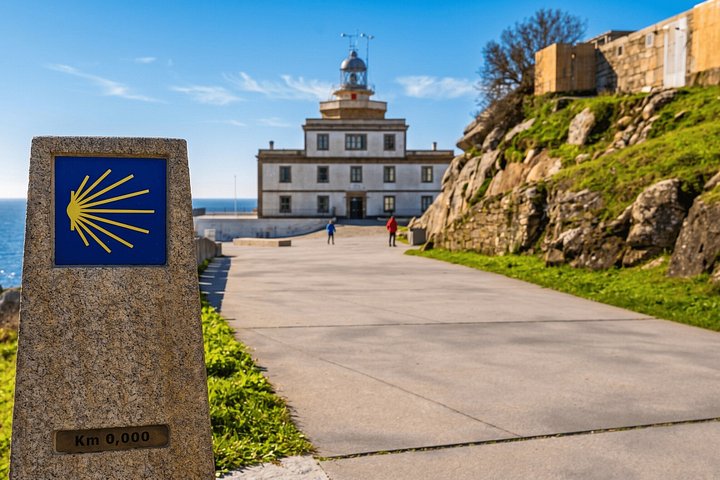
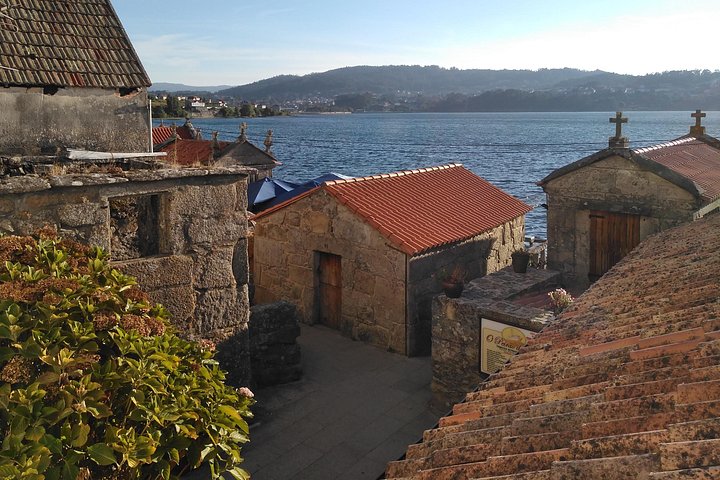
Use the last day for a big excursion. The most popular choice is the Costa da Morte and Cape Finisterre, a full-day tour that follows the rugged Atlantic coast to the lighthouse at the end of the road. If you prefer wine and seafood, choose a Rías Baixas tour with a mussel boat and a winery. In summer, the Cíes Islands trip offers beaches and hiking, and in spring and autumn the Ribeira Sacra canyons are a beautiful alternative. Return to Santiago in the evening for a light dinner and a last walk in the lit-up old town.
Rain plan
Galicia is rainy, so keep indoor options in reserve. The cathedral museum, the monastery, a food tour and a cooking class are all good in wet weather. If a coastal excursion looks grim, swap it with a museum day and save the trip for later. Many tours run in light rain, and the coast looks dramatic in mist, but safety comes first.
Pacing
The old town is compact, so you can easily fit a lot in. Do not overpack the schedule. Leave breaks for coffee, rest and spontaneous detours. Wear comfortable shoes and carry a light waterproof. Plan the heavy sightseeing for the morning and leave the afternoon for slower activities.
If you have only two days
Combine days one and two, skip the monastery, and choose a shorter excursion or skip the coast. If you have four days, add a second day trip, such as A Coruña and Betanzos or Lugo and the Cathedrals Beach, or slow down and spend more time in the lanes and parks.
Booking and logistics
Reserve the rooftop tour, the museum, any food tour and your excursion before you arrive, especially in summer. Check departure points, since coaches often leave from near the Praza de Galicia or the bus station. If you plan to walk part of the Camino, ask the staff at your hotel about the pilgrim office, which gives out the Compostela certificate to those who qualify.
Evenings
Santiago is lively at night, with students, pilgrims and locals filling the bars. Dinner is late by northern European standards, and kitchens often open around nine. A tapas crawl is a good way to bridge the gap. If you prefer quiet, the squares near the cathedral are peaceful after the day-trippers leave, and a walk through the lit lanes is a highlight in itself.