São Paulo is one of the great food cities of the Americas, and the reason is people. Waves of Italian, Portuguese, Lebanese, Japanese, Spanish and Northeastern Brazilian migrants all brought recipes with them, and the city has spent a century blending and improving them. You can eat superbly for very little at a counter, or spend an evening at a celebrated restaurant, and the best trips usually include both.
Start with the Mercadão
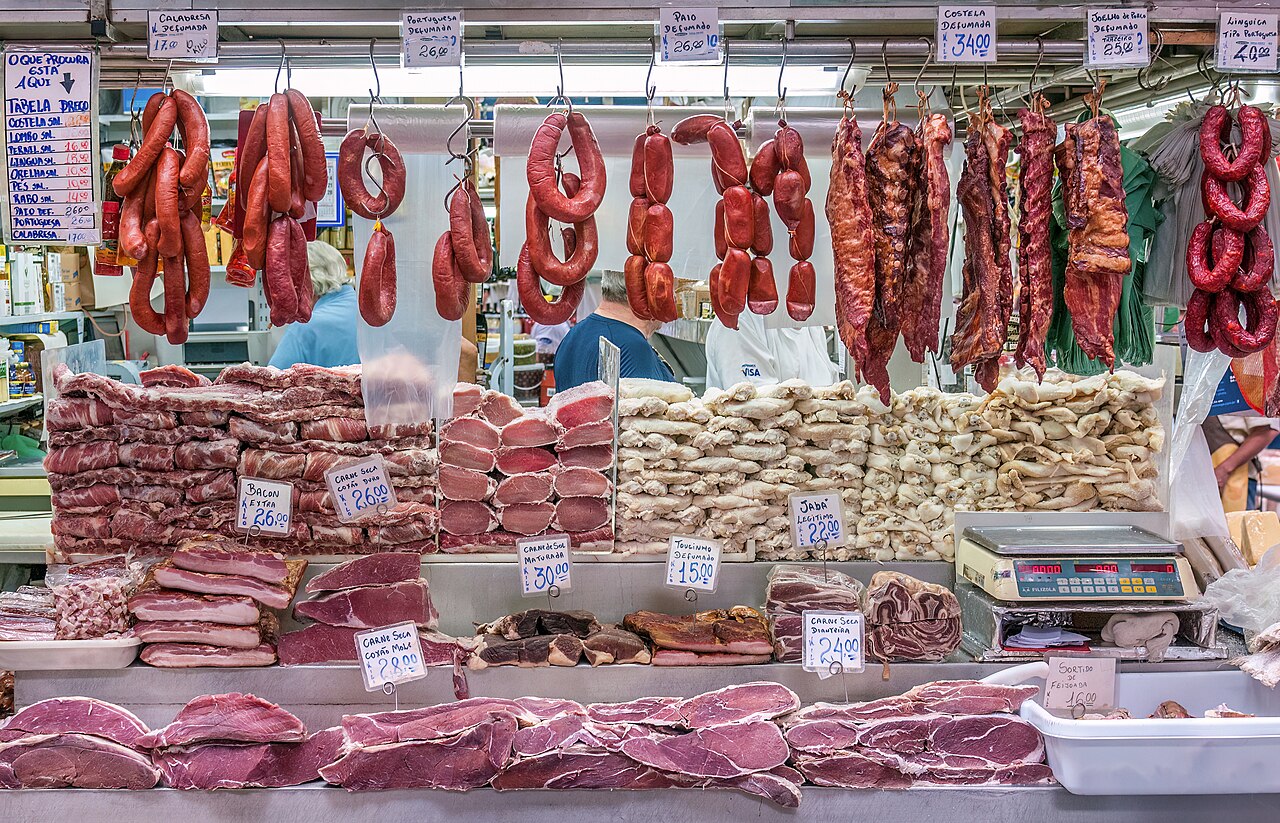
The Mercado Municipal is the most famous food stop in the city. The huge hall, with its stained-glass windows and stacked fruit stalls, is full of cheeses, spices, dried fish and tropical fruit you may never have seen. The two orders everyone talks about are the mortadella sandwich, piled high with thinly sliced meat, and the pastel de bacalhau, a crisp pastry filled with salt cod. Both are large, so share. Go on a weekday morning to avoid the longest queues, and try the fruit stalls for samples of unfamiliar varieties.
Everyday Brazilian eating
Lunch is the main meal for many locals, and the classic is the prato feito, a plate of rice, beans, meat or fish, salad and sometimes a fried egg, served at simple restaurants at a fair price. Many places also run por-quilo buffets, where you fill a plate and pay by weight. On Saturdays, look for feijoada, the slow-cooked black-bean and pork stew served with rice, greens and orange, which is a long, sociable lunch rather than a quick bite. For snacks, try coxinha, a fried chicken croquette, pão de queijo, the chewy cheese bread, and a strong cafezinho at the counter.
Pizza, Italian and more
São Paulo has one of the largest Italian-descended populations outside Italy and a famous pizza culture. Pizza here usually comes with a thin, slightly chewy crust and generous toppings, and a night out at a pizzeria is a local ritual. Beyond pizza, look for old-school cantinas serving big plates of pasta and veal, Lebanese bakeries that sell esfihas and kibbeh, and Portuguese-style bakeries with custard tarts. Many of these places have been run by the same families for generations, and the atmosphere is part of the meal.
Japanese food in Liberdade
The Japanese-Brazilian district is the best place to try sushi, ramen, yakisoba and sweets such as mochi and taiyaki, often at modest prices. Graze at the stalls and snack shops first, then settle in at a small restaurant for a proper meal. The Sunday fair adds grilled skewers and street snacks, and the area is lively and friendly. Bring a little cash, since some small stalls do not take cards.
Botecos and bars
A boteco is a casual neighbourhood bar with cold draught beer, simple snacks and plenty of conversation, and Vila Madalena is full of them. Order a round of small plates to share, such as fried cassava, pastries and meatballs, and add a caipirinha, the national cocktail of cachaça, lime and sugar, if you want something stronger. Craft breweries and cocktail bars are also growing across Jardins and Pinheiros, and many serve food until late. Weekends are busy, so arrive early for a table.
Learn by cooking
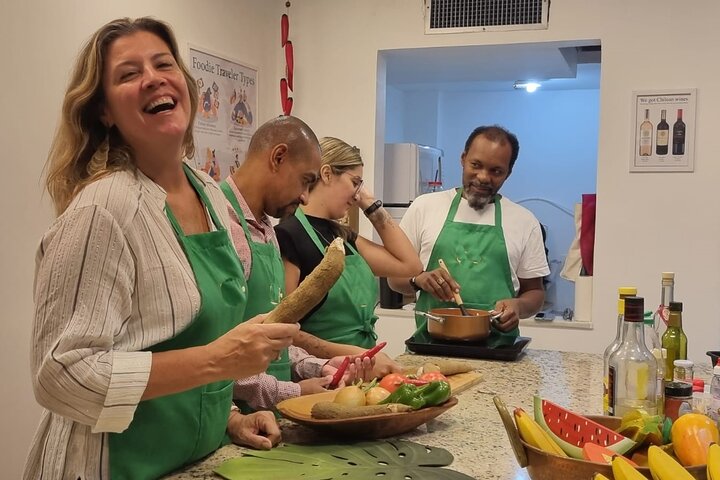
If you want to go deeper, a hands-on Brazilian cooking class is a fun way to learn the dishes and the ingredients. You cook several recipes with a local host and sit down together to eat, and you take home recipes you can repeat. It pairs naturally with a morning in the Mercadão, where you can see the ingredients first.
Practical tips
Tap water is not usually drunk, so ask for bottled or filtered water. Service is often added to the bill, so check before you tip. Dinner starts late by many standards, with restaurants filling after eight, and reservations are wise for popular places on Friday and Saturday. Tell your host about allergies and dietary needs in advance, and carry a short note in Portuguese if you have a serious allergy. Use a ride-hailing car for late evenings, particularly if you have been drinking.
Sweet things and coffee
Brazil takes its coffee seriously, and São Paulo's bakeries and specialty cafes serve everything from a small, strong cafezinho to carefully brewed single-origin cups. Pair a cup with a slice of bolo de cenoura, carrot cake with chocolate sauce, or a brigadeiro, the fudgy chocolate truffle served at every birthday party. Fresh juices are everywhere, and the fruit is superb, so try açaí, cupuaçu or a simple glass of orange juice at a juice bar. An afternoon pause at a padaria, the corner bakery that doubles as a cafe and snack bar, is one of the easiest ways to eat like a local.