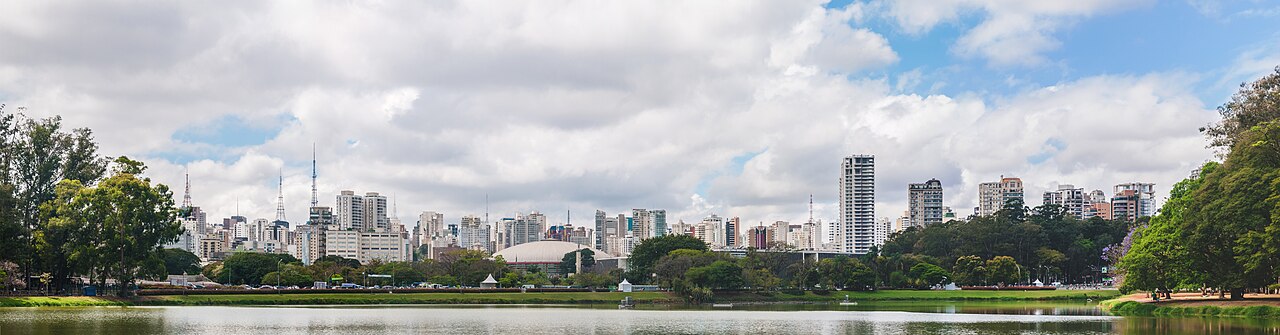
São Paulo has no bad season for a city break, but each time of year has a different character. The city sits on a plateau at around 800 metres above sea level, which keeps it milder than the coast and gives it a changeable, sometimes drizzly climate. Understanding the pattern helps you pack well and choose the right activities for the weather.
Summer: December to March
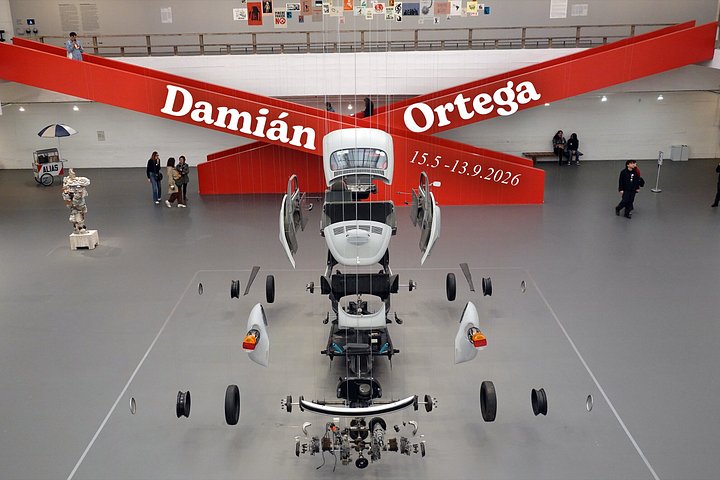
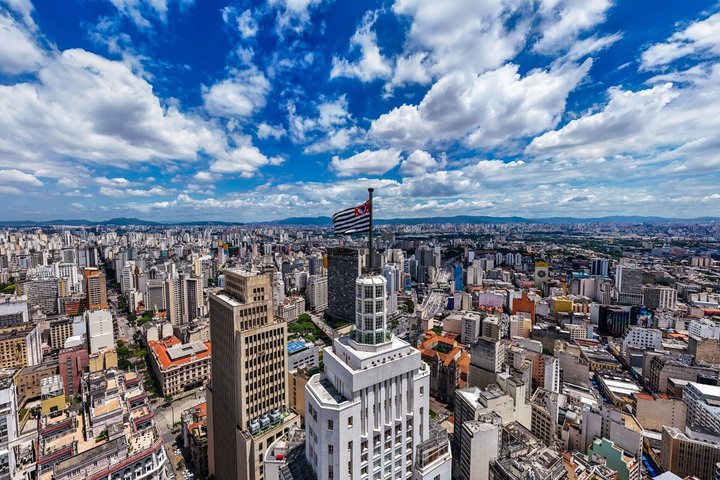
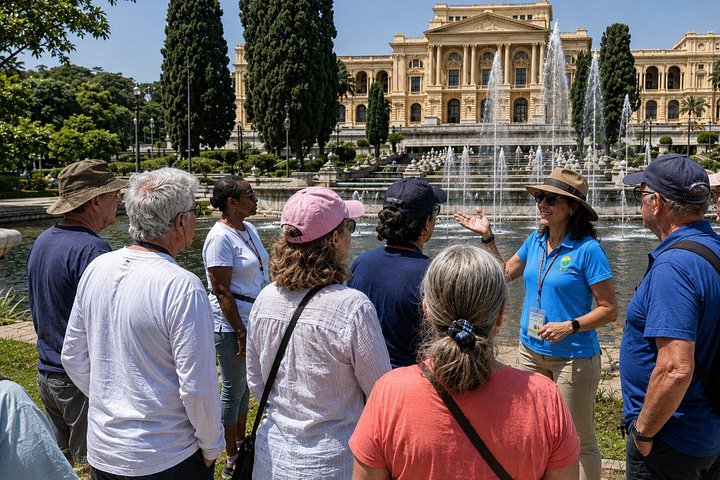
Summer is warm, humid and wet, with hot days and sudden afternoon downpours that can flood streets and slow traffic. The mornings are often clear, so plan outdoor sights such as Ibirapuera Park, Avenida Paulista and a rooftop view early in the day, then move indoors to museums such as MASP, the Pinacoteca or the Museu do Ipiranga when the clouds build. Carry a light rain jacket or umbrella, and plan on slower journeys when the storms hit. Many locals leave for the coast in January, so some restaurants close for a short break, but the city feels more relaxed and hotel rates can be lower outside festival periods.
Autumn: April and May
Autumn is a pleasant shoulder season, with falling temperatures, less rain and clear, mild days. Parks are green after the summer rain, walking is comfortable and the light is soft for photography. Hotels are often quieter than in peak periods, and it is a good time for visitors who want to see the main sights without the heat. Evenings begin to feel cool, so pack a light layer.
Winter: June to August
Winter is the driest and coolest time of year, with crisp mornings, clear skies and mild afternoons. It is a good season for walking the city, climbing to the Farol Santander terrace and visiting the old centre, because the air is clearer and the long views are at their best. Evenings can be chilly, and some days bring a grey, drizzly cover that locals call garoa. Pack a warm jacket, a scarf and closed shoes. Winter is also a good season for food, with hearty stews and feijoada, and for the festivals in the Japanese-Brazilian district and elsewhere.
Spring: September to November
Spring brings warming days and flowering trees, and it is often considered the sweet spot. The air is milder, the afternoon storms have not yet become frequent and the city is lively with cultural events. It is a good time for all-round sightseeing, for long days on foot and for evenings out in Vila Madalena. Showers can still arrive, so keep a light rain layer in your bag.
Weekdays, weekends and holidays
The weekly rhythm matters as much as the season. Weekday mornings are the best time for museums, the Mercadão and the cathedral, because queues are shorter. On Sundays Avenida Paulista is usually closed to cars, the Liberdade fair fills with stalls and Ibirapuera Park is at its liveliest, so those are the days for atmosphere rather than quiet. Many museums close one day a week, and MASP is closed on Mondays, so check opening hours before you plan.
Events and prices
São Paulo hosts large trade fairs, conferences, concerts and sporting events throughout the year, and hotel prices can rise sharply when they overlap with your dates. If you are flexible, check the calendar before booking and consider a hotel in a different neighbourhood if the favourite is full. Football fixtures also shape the city, so if you want to see a match, choose your dates once the schedule is confirmed. School holidays bring families to the parks and museums, so book popular activities ahead.
Our suggestion
For most first-time visitors, April to May and September to October offer the best balance of comfortable weather, clear skies and manageable crowds. Winter is a close second, especially for views and food. Summer is rewarding if you plan your days around the afternoon rain. Whenever you go, a flexible plan that pairs outdoor sights with indoor backups is the key to enjoying the city.
Packing by season
In summer bring light cotton clothes, a compact umbrella, sun protection and sandals that dry quickly. In winter and the cooler shoulder months add a warm jacket, a scarf and closed shoes, and expect to layer through the day because mornings can be fresh and afternoons mild. Comfortable walking shoes are essential in every season. Because the weather can change quickly, check the forecast each morning and be ready to swap an outdoor plan for a museum visit, which is easy in a city with so many good indoor options.