Three days is enough to get a real feel for São Paulo, provided you resist the urge to cross the city more than once a day. Distances look short on a map but traffic can turn a ten-minute hop into an hour, so this plan groups sights by neighbourhood and keeps each day to one part of town. Start each morning early, take the metro where you can and use ride-hailing cars for evenings and awkward links.
Day one: Avenida Paulista and the art museums
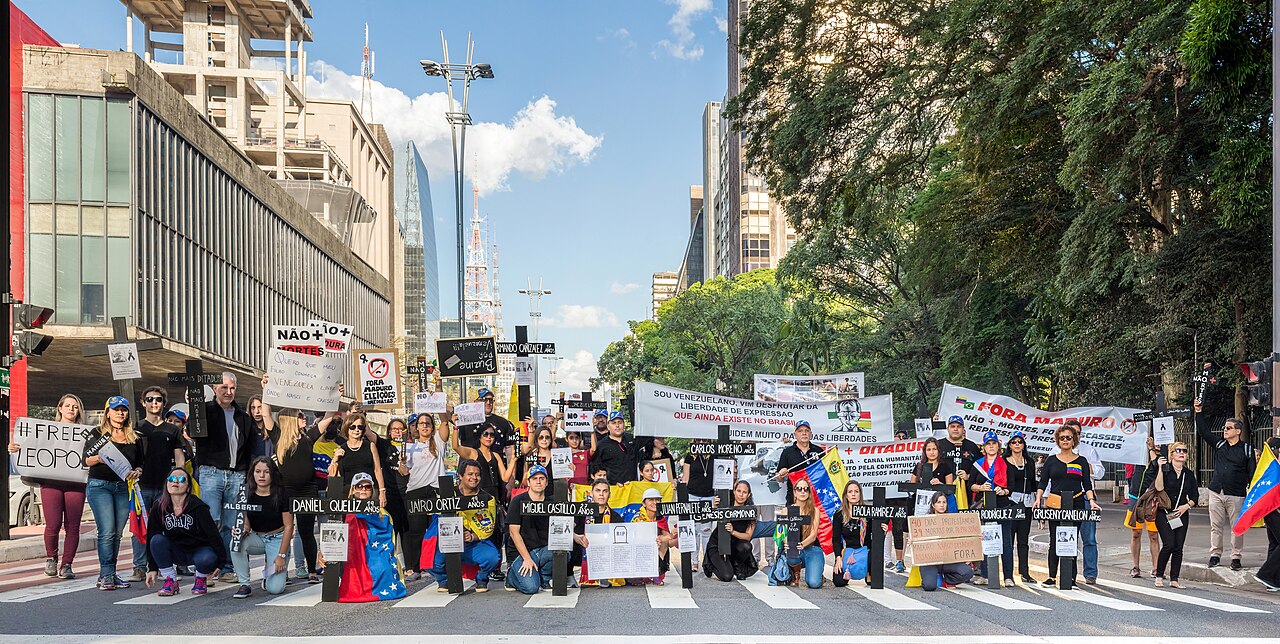
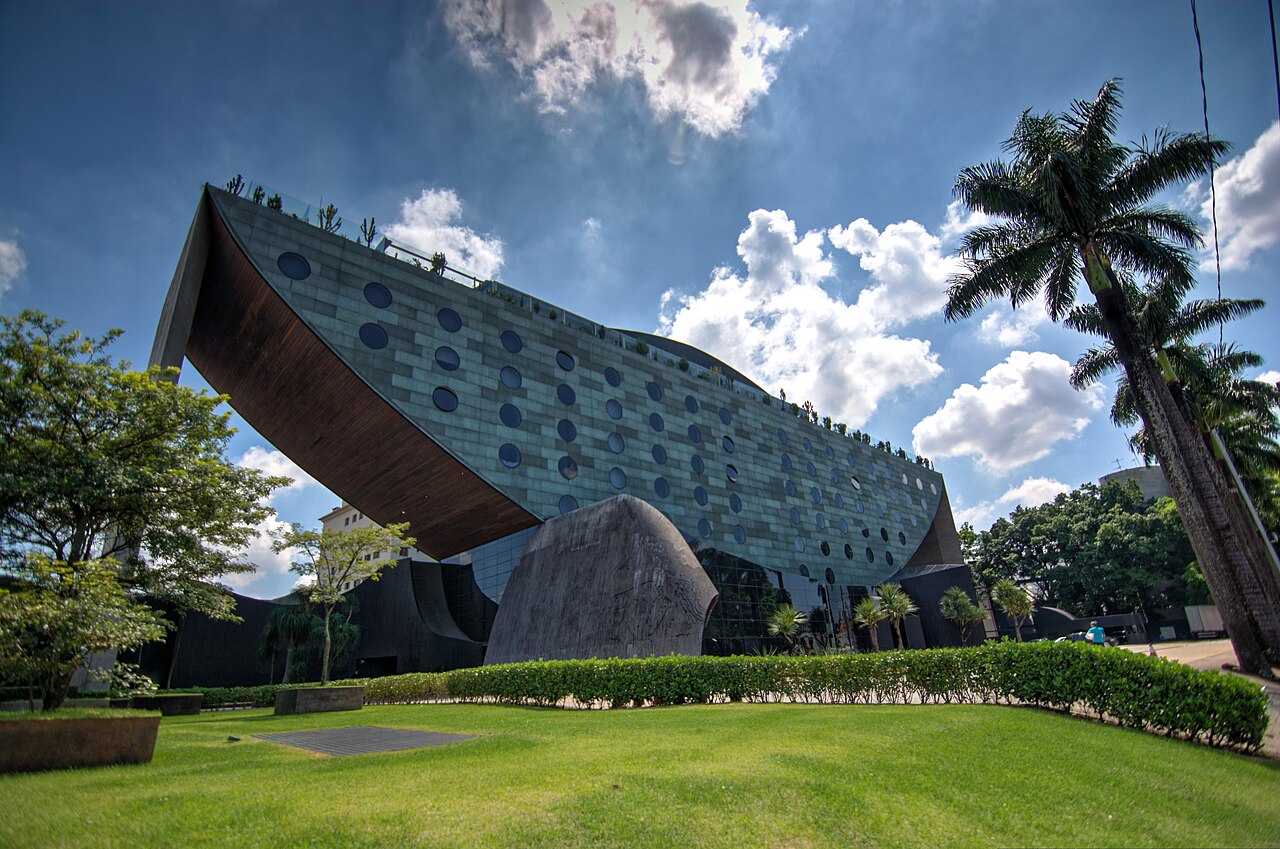
Begin on Avenida Paulista, the long ridge of towers, cultural centres and cafes that serves as the city's main avenue. Head to MASP for the glass easels and the open span beneath the building, and plan on about two hours. Walk along the avenue afterwards, stopping at a cafe for a coffee and a pastry, and look into the green pocket of the Trianon park across the road. If you are here on a Sunday, the avenue is usually closed to cars and fills with walkers, cyclists, buskers and families, which makes it the best day of the week for a stroll. Finish the afternoon in Jardins, the leafy district just south of the avenue, for a long dinner at one of its restaurants. A hotel near Paulista, such as Tivoli Mofarrej, lets you do much of this day on foot.
Day two: the old centre
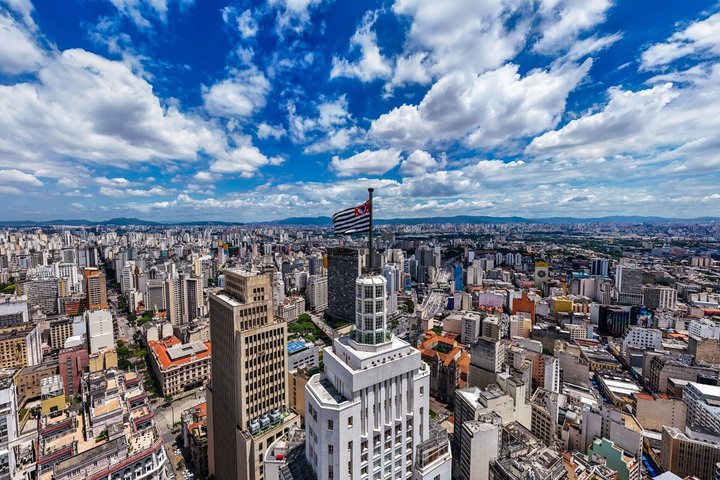
Take the metro to the Sé station and start at the cathedral and its busy square, the point from which distances in the city are measured. Walk or ride the short distance to the Farol Santander and go up to the rooftop terrace for the view, ideally in the morning when the air is clearest. Then head for the Mercado Municipal for lunch under the stained-glass windows, where a mortadella sandwich and a pastel de bacalhau are the classic orders. After lunch, visit the Pinacoteca do Estado, a lovely brick building with a courtyard and the best collection of Brazilian art in the city. Finish with a late-afternoon walk through Liberdade, where the lantern-lit streets, sweet shops and ramen counters make an easy dinner. Keep your phone and bag close in the crowded streets of the centre, and take a car back to your hotel after dark.
Day three: Ibirapuera and Vila Madalena
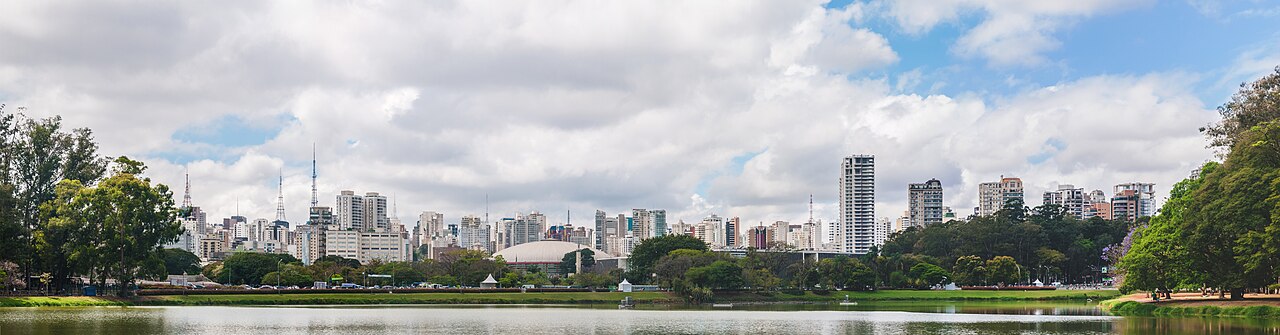
Spend the morning in Ibirapuera Park, the city's great green space, where joggers, cyclists and picnickers share the lawns and the Oscar Niemeyer buildings add a touch of modernism. Rent a bike if you like, or simply wander the paths and the lake. Have lunch nearby or in the park, then take a ride to Vila Madalena in the late afternoon. Walk the sloping lanes and look for murals in Beco do Batman, browse the small galleries and shops, and settle into a boteco for a cold beer and snacks as the evening builds. This is the lively end to the trip, so stay for dinner and a little live music before taking a car home.
If you have a fourth day
The easiest additions are a football match, a hands-on cooking class or a downtown bike tour. Matches depend on the fixture list, so book once a date is confirmed. The cooking class is a long, sociable afternoon and works well after a morning in the Mercadão. The Museu do Futebol, the Museu do Ipiranga and the Japanese Immigration Museum are good wet-weather options and each fits a half day.
Swapping days around
MASP is closed on Mondays, so if you land at the start of the week move the old centre or Ibirapuera to that day. Many museums close on one weekday, so check the opening hours of each before you go. On Tuesdays MASP is free and often crowded, so go early. If it rains, which can happen suddenly in summer, swap in a museum and save the park for a clearer day.
Getting around between stops
The metro links Paulista, the Sé, Liberdade and Vila Madalena, and it is fast and cheap, though stations can be crowded at rush hour. Ride-hailing cars are the simplest way to reach Ibirapuera and to get home at night. Avoid driving yourself. Allow generous margins for airport transfers, and keep your day light on Fridays, when traffic can be heaviest.
What to carry
Comfortable walking shoes matter more than anything else, since the days are long and the pavements uneven. Add sun protection, a light rain layer and a small bag you can keep in front of you in crowds. A little cash helps for market stalls, and a translation app helps with menus and directions, since English is not widely spoken outside tourist businesses.