São Paulo has a reputation as an expensive city, but a visit can be surprisingly affordable if you play to its strengths. Many of its best sights are free, lunch is the cheapest meal of the day and the metro covers most of the places visitors want to see. A little planning goes a long way, and the savings leave room for one or two splurges.
Make the most of free sights
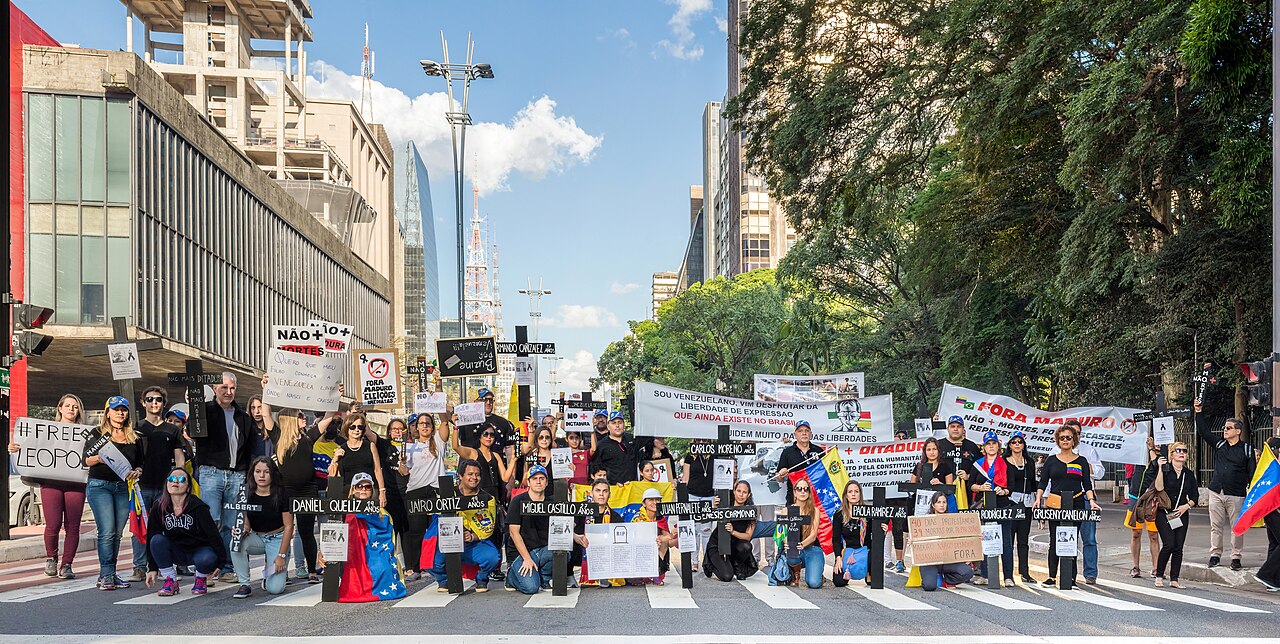
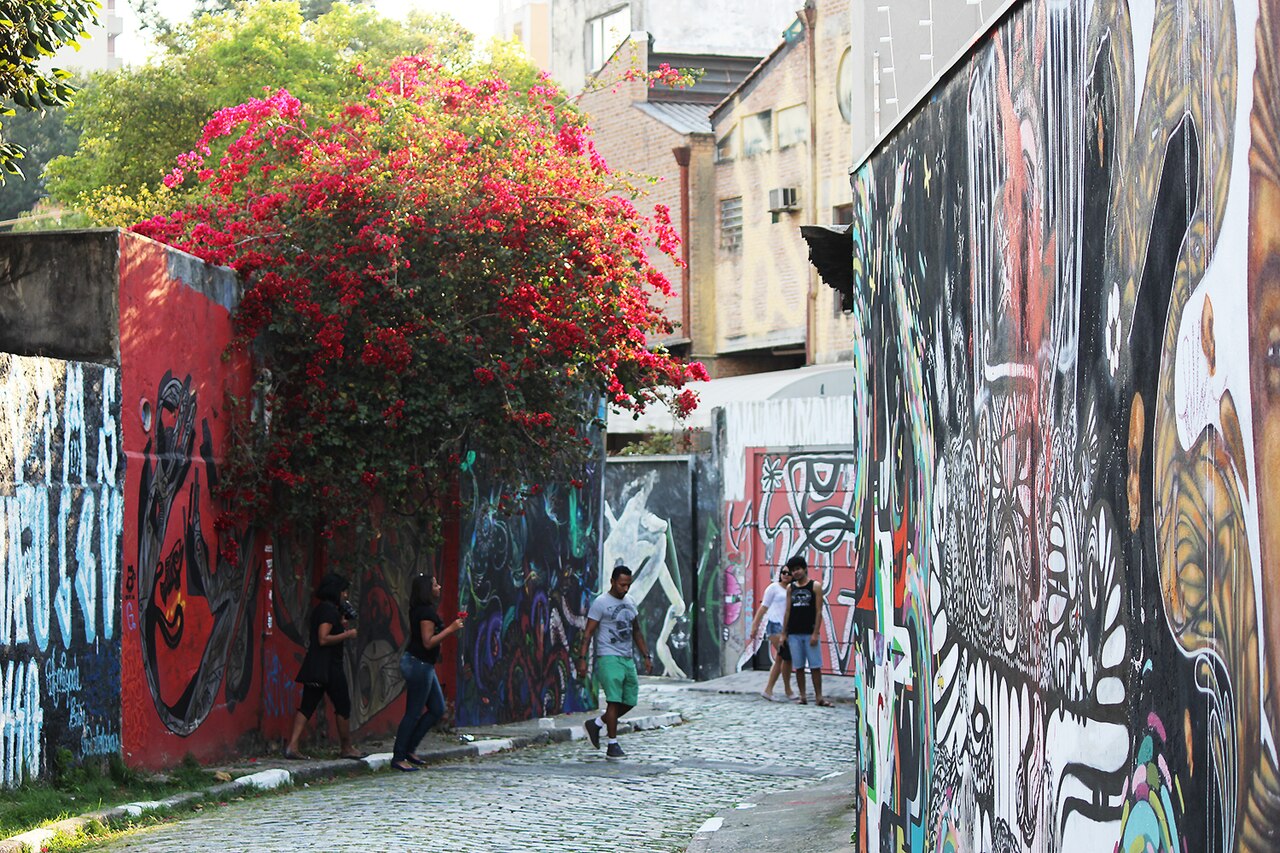
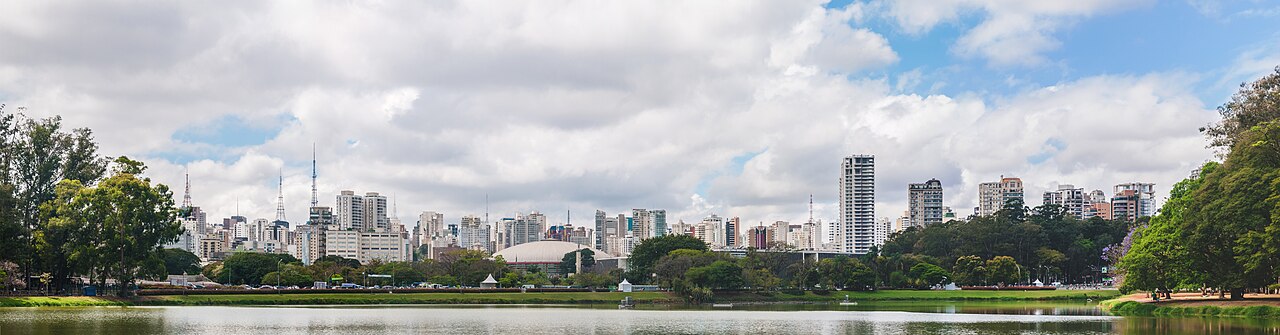
Some of the city's best experiences cost nothing. Ibirapuera Park, Avenida Paulista, Beco do Batman, Vila Madalena and the Liberdade district are all free to explore, and the Sé Cathedral does not charge for entry. Avenida Paulista is at its best on Sundays, when it is closed to cars and fills with street performers and families. A day of walking through these places is one of the best ways to understand how the city lives, and you can spend your money on food rather than tickets.
Use the free museum windows
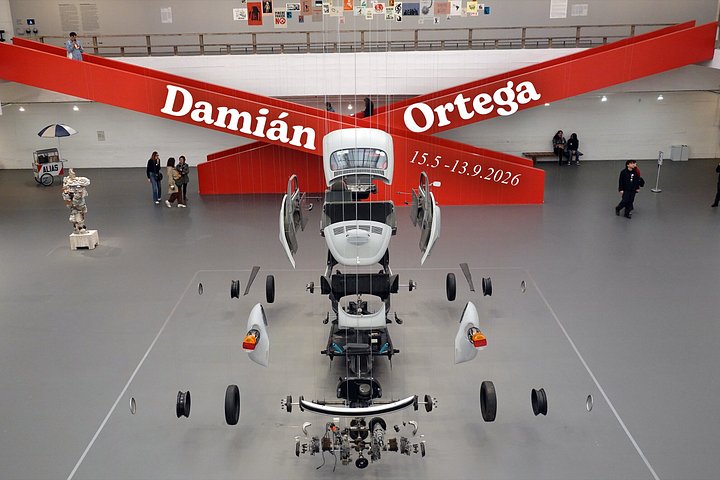
MASP offers free entry on Tuesdays and in an evening slot on Fridays, and other museums have their own free periods or reduced prices for students and seniors. Free days are popular, so arrive early or go in the evening slot to avoid the heaviest queues. Check each museum's visit page for current rules, because they change from time to time. Combine a free museum visit with a free walk along the avenue for an excellent low-cost day.
Eat well for less
Lunch is where the value lies. Look for restaurants serving a prato feito, a plate of rice, beans, meat or fish and salad at a modest price, or por-quilo buffets where you pay by weight and choose exactly what you want. Bakeries sell pão de queijo, coxinha and good coffee at the counter for a few coins. The Mercadão is famous for its large sandwiches and pastries, which are easily shared between two people. Liberdade has many small places serving ramen and sushi at fair prices, and the stalls at the Sunday fair offer cheap snacks. Save your restaurant splurge for dinner and keep lunch simple.
Get around cheaply
The metro is fast, inexpensive and covers Paulista, the Sé, Liberdade and Vila Madalena, so use it for daytime journeys and avoid rush hour when possible. Ride-hailing cars are affordable by international standards and worth using for evening returns and for places the metro does not reach, especially if you share between two or more people. Walking is free and often the best way to see a neighbourhood, so group your sights by area and walk between them. Avoid driving, since parking and traffic make it costly and stressful.
Choose the right base
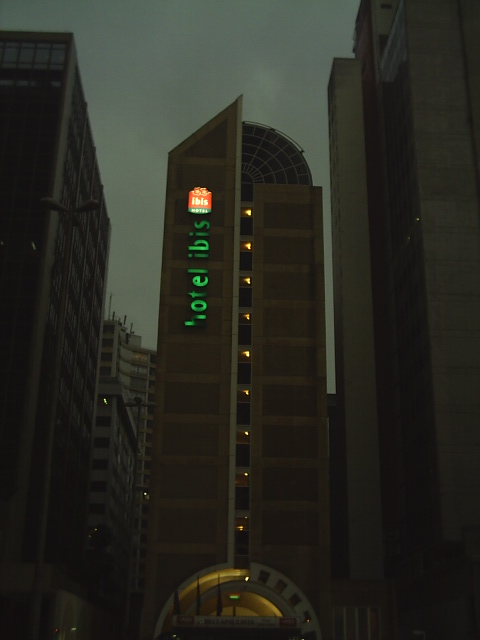
A simple hotel on Avenida Paulista such as ibis Sao Paulo Paulista puts you within walking distance of MASP, cafes and several metro stations, which saves on transport. It is plain, but the location is excellent and breakfast is available for a charge. Booking early, travelling outside trade-fair weeks and comparing a few neighbourhoods can bring rates down further. If your budget allows a single treat, a drink at a rooftop bar costs far less than a night at a luxury hotel.
Where to spend a little
A few paid experiences are worth the money. A hands-on cooking class is a memorable way to learn the cuisine, a football match is a unique cultural experience and the Farol Santander terrace gives the best view in the old centre. Choose one or two and fit the rest of the trip around free sights. Check cancellation terms and read what is included before booking.
Small habits that save money
Carry a refillable bottle and buy bottled water in bulk from a supermarket, keep some cash for stalls, check for student and senior discounts, and look for lunch menus. Use a ride-hailing car with a fixed fare shown in the app. Keep your belongings close in crowded areas, and use a car after dark rather than walking quiet streets.
Plan around the weekly rhythm
Budget travellers do best by matching activities to the day. Use Sundays for the avenue, the park and the Liberdade fair, which cost little and offer plenty of atmosphere. Use Tuesdays for MASP's free entry, arriving early, and use weekday lunchtimes for the best-value meals, since many restaurants offer fixed-price menus. Keep Mondays flexible, because MASP and a few other museums are closed, and spend that day in a park or a free neighbourhood instead. This simple pattern keeps costs down while filling every day with something worthwhile.