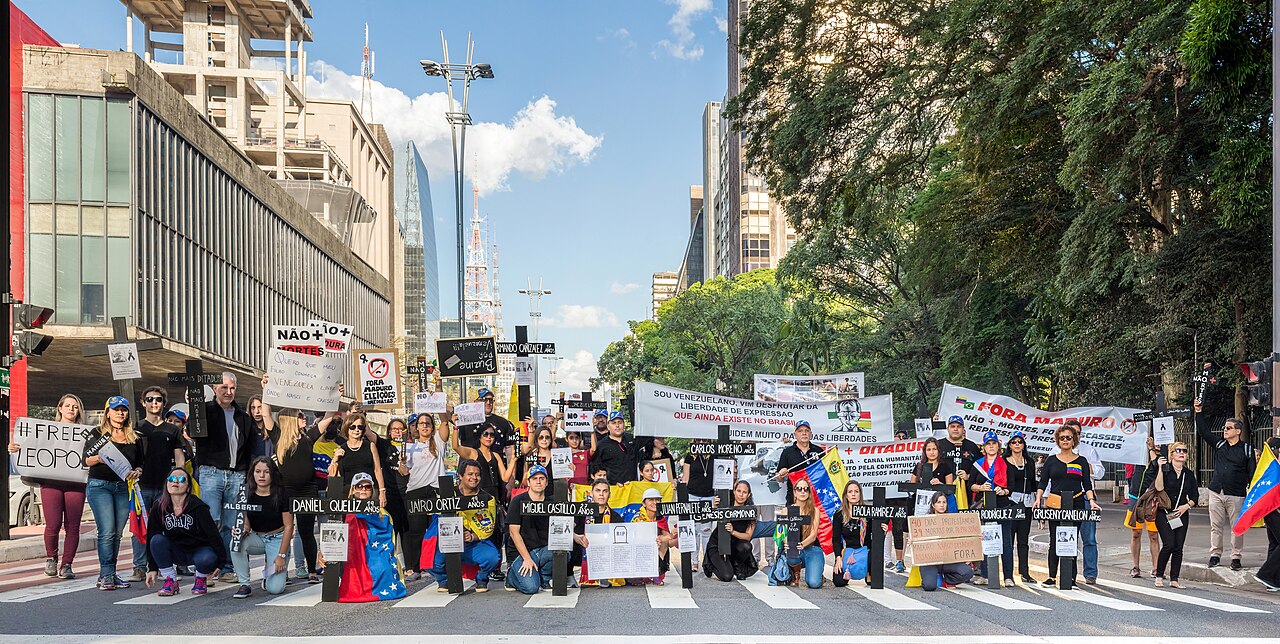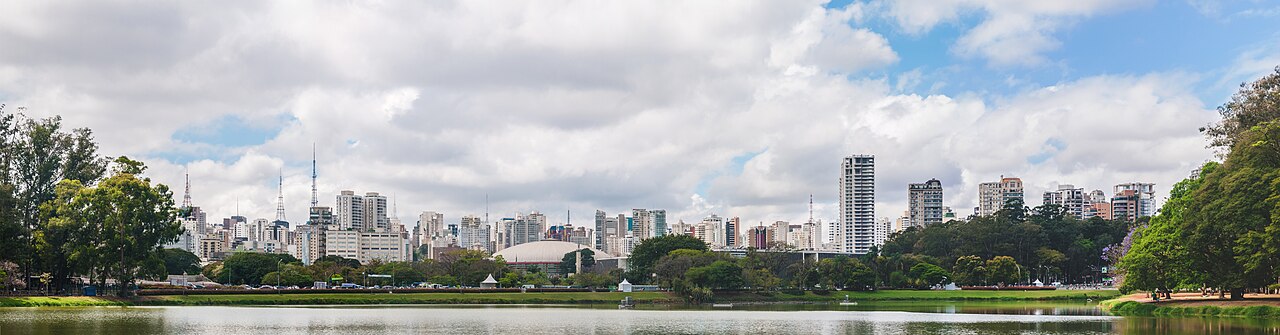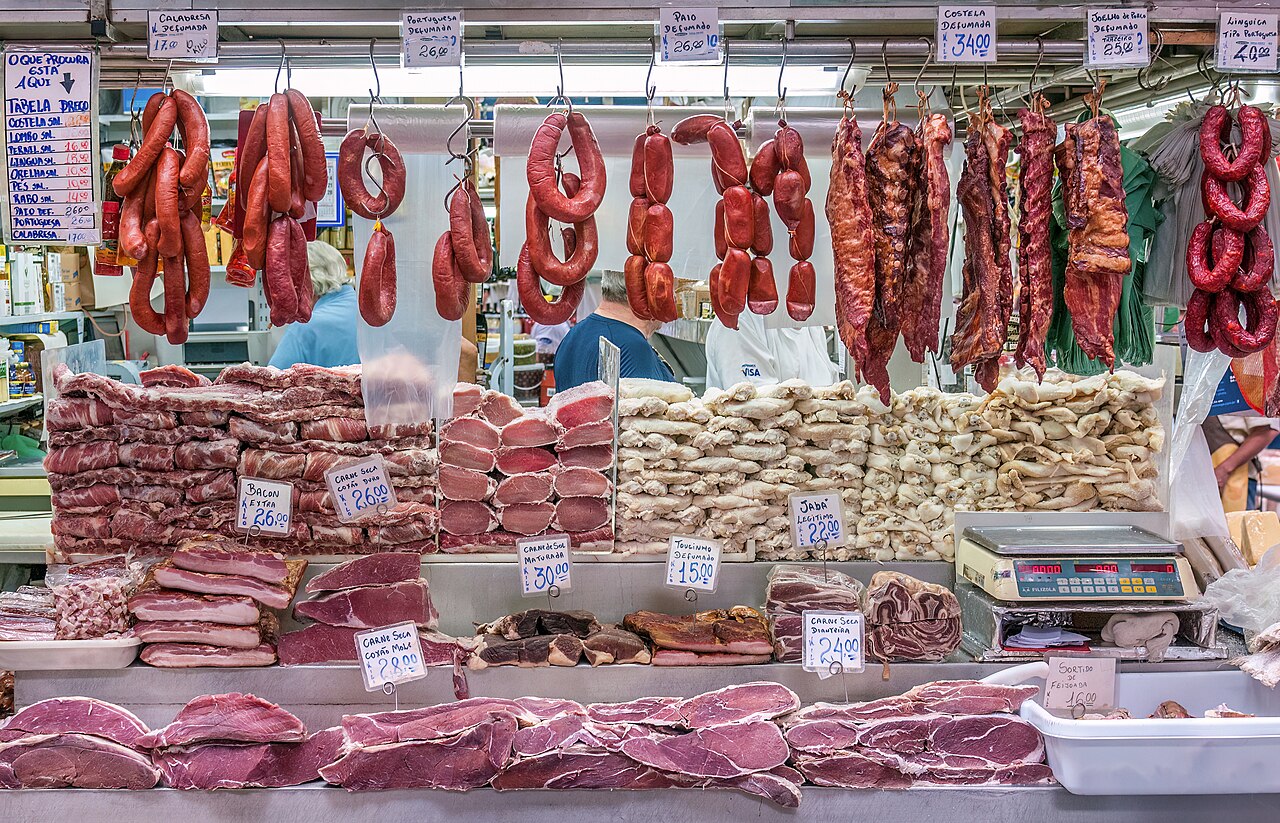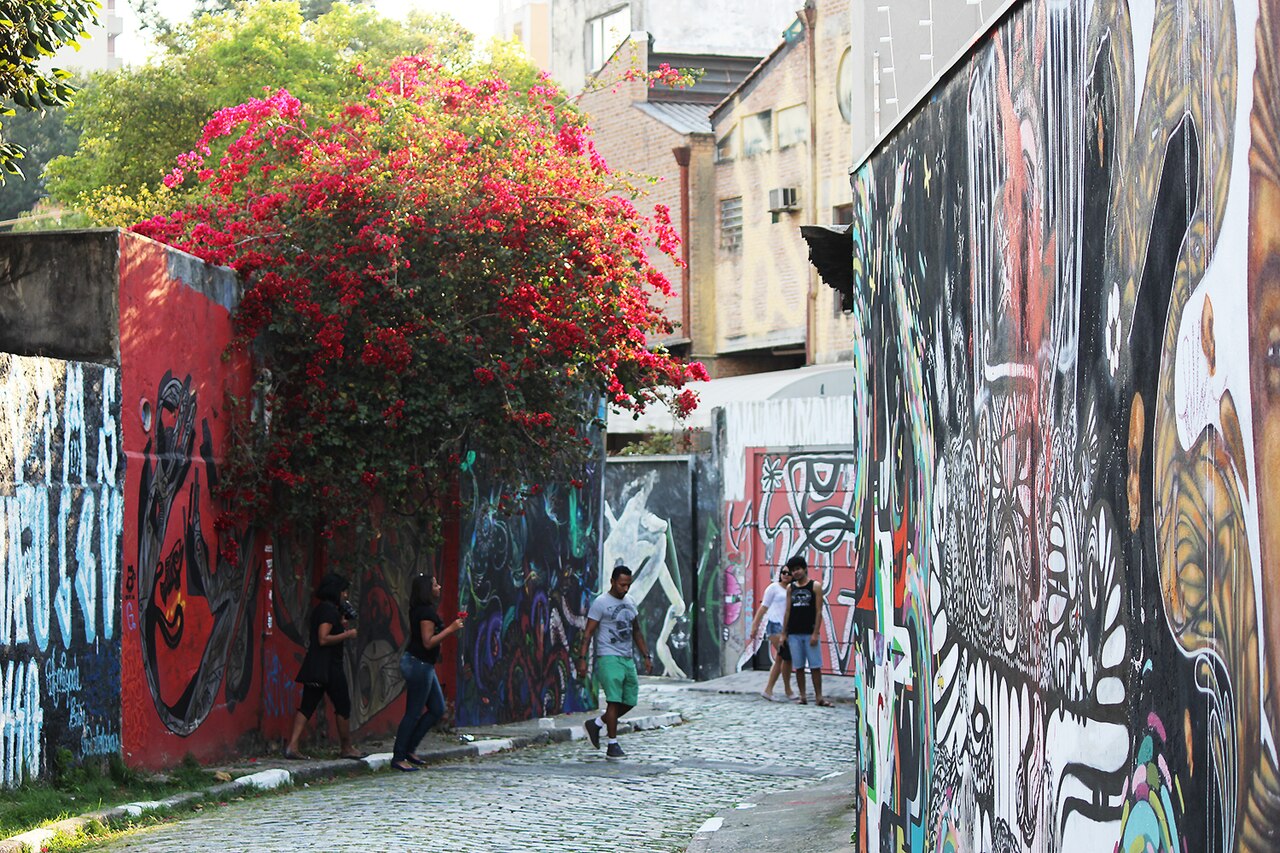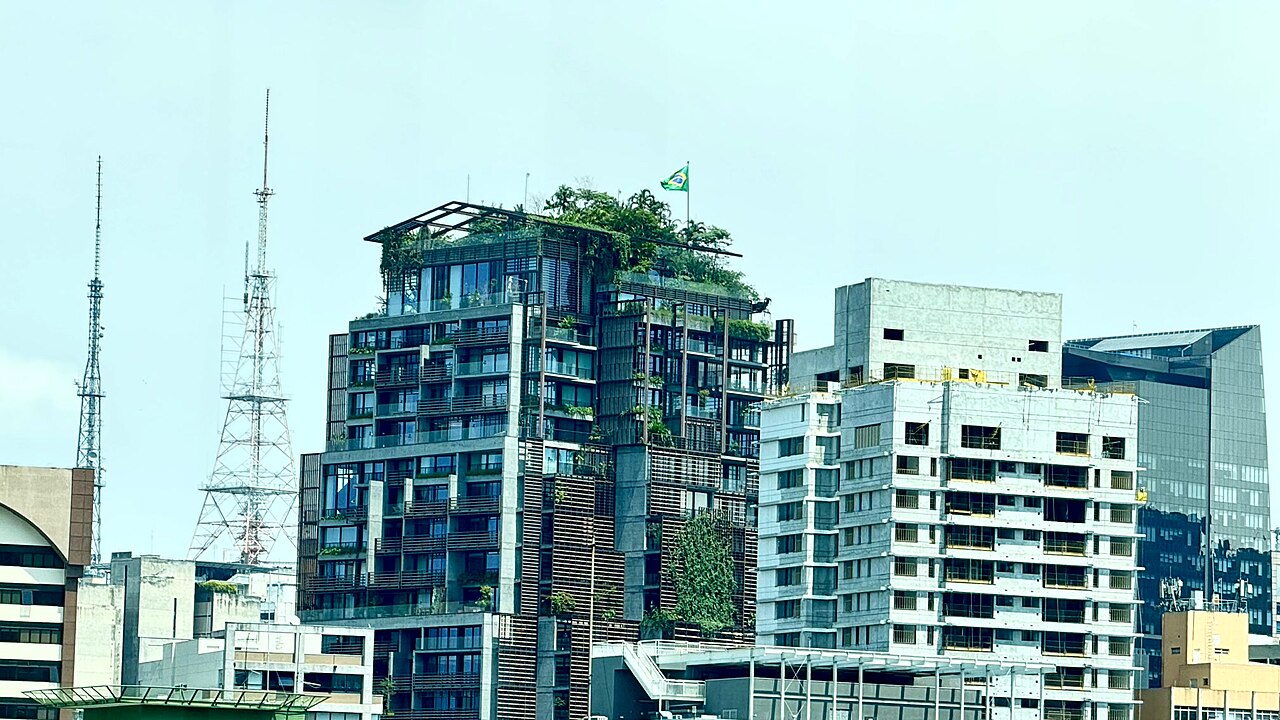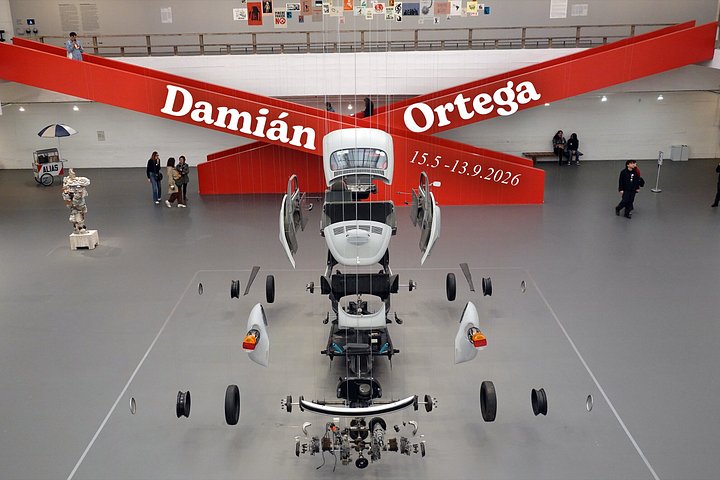
São Paulo is enormous, busy and endlessly interesting, and it works best when you treat it as a collection of neighbourhoods rather than one place to be ticked off. The art museums and Avenida Paulista sit along a central ridge, Ibirapuera Park lies to the south, the old centre with the Mercadão and the Pinacoteca is to the north and Vila Madalena with Beco do Batman is to the west. The main planning job is choosing a base and grouping your days by area so you spend your time looking rather than sitting in traffic.
Check current travel advice
As with any big city, check your government's current travel advice for Brazil before you book, and ask your hotel for up-to-date local tips when you arrive. In busy areas such as Paulista, the old centre and Vila Madalena, the usual city habits apply: carry little, keep your phone out of sight on crowded streets and use a ride-hailing car after dark rather than walking quiet side streets.
What to book ahead
Very little needs booking far in advance, but a few things are worth reserving. A football match experience depends on the fixture list, so choose a date once a home match is confirmed and read the cancellation terms. The Brazilian cooking class and the downtown bike tour are small-group activities that fill up at weekends and holidays. MASP tickets can be bought online, which saves time on busy days, and its free days draw crowds. Hotels sell out around big events and trade fairs, so book early if your dates coincide with one.
What is free
Ibirapuera Park, Avenida Paulista, Beco do Batman and the Liberdade district cost nothing to enter, and MASP is free on Tuesdays and in an evening slot on Fridays. That makes São Paulo easy on a budget, though food and transport add up. Check the free-entry rules and opening days of each museum, because they change, and remember that MASP is closed on Mondays.
How to get around
The metro is fast, cheap and covers the main sights, including Trianon-MASP, Vila Madalena and Liberdade. Ride-hailing cars are the simplest option for evenings, for the Mercadão and for anywhere the metro does not reach, and they are affordable by international standards. Avoid driving yourself, as traffic is heavy and parking is expensive. Allow extra time at rush hour, when journeys across the city can double in length.
How many days
Three days is a good first visit. Spend the first day on Avenida Paulista and MASP, finishing with a walk along the avenue. Spend the second in the old centre with the Mercadão, the Pinacoteca and Liberdade. Use the third for Ibirapuera Park and Vila Madalena with Beco do Batman. A fourth day lets you add a cooking class, a bike tour or a football match.
Where the sights fit
MASP and Avenida Paulista are together, as are the Pinacoteca, the Mercadão and Liberdade in the old centre. Ibirapuera is a ride to the south, and Beco do Batman a ride to the west. A single day mixing all of them would be exhausting, so pair neighbours and leave the rest for another day.
Practical notes
The climate is mild but changeable. Summers from December to March are warm and wet, with sudden afternoon storms, and winters are cooler and drier, so carry a light jacket and an umbrella. Bring comfortable shoes, sun protection and a little cash for markets and street stalls. English is not widely spoken outside tourist businesses, so a few Portuguese phrases and a translation app help a lot.