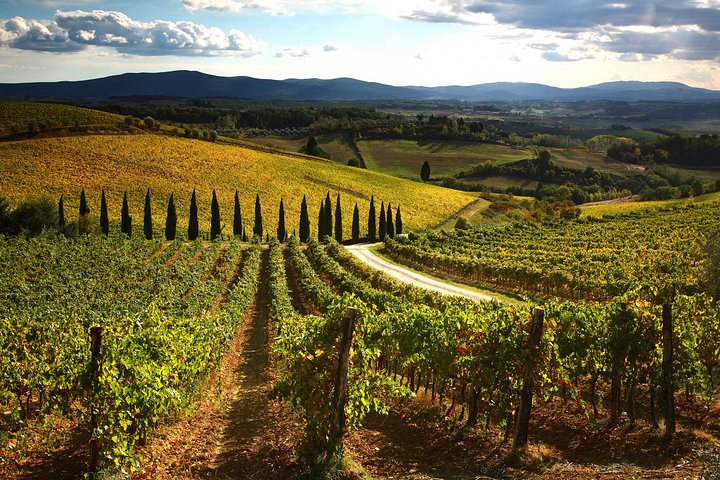
Siena sits at the meeting point of three of Italy's best-known red wine zones, and all three can be reached in a day from the city. Chianti Classico lies to the north, Brunello di Montalcino to the south and Vino Nobile di Montepulciano to the south-east. They are all built on the same grape family, Sangiovese, yet they taste different because of soil, altitude, ageing rules and the choices of each producer. This guide explains the differences simply and shows how to taste them without a wine education.
Chianti Classico
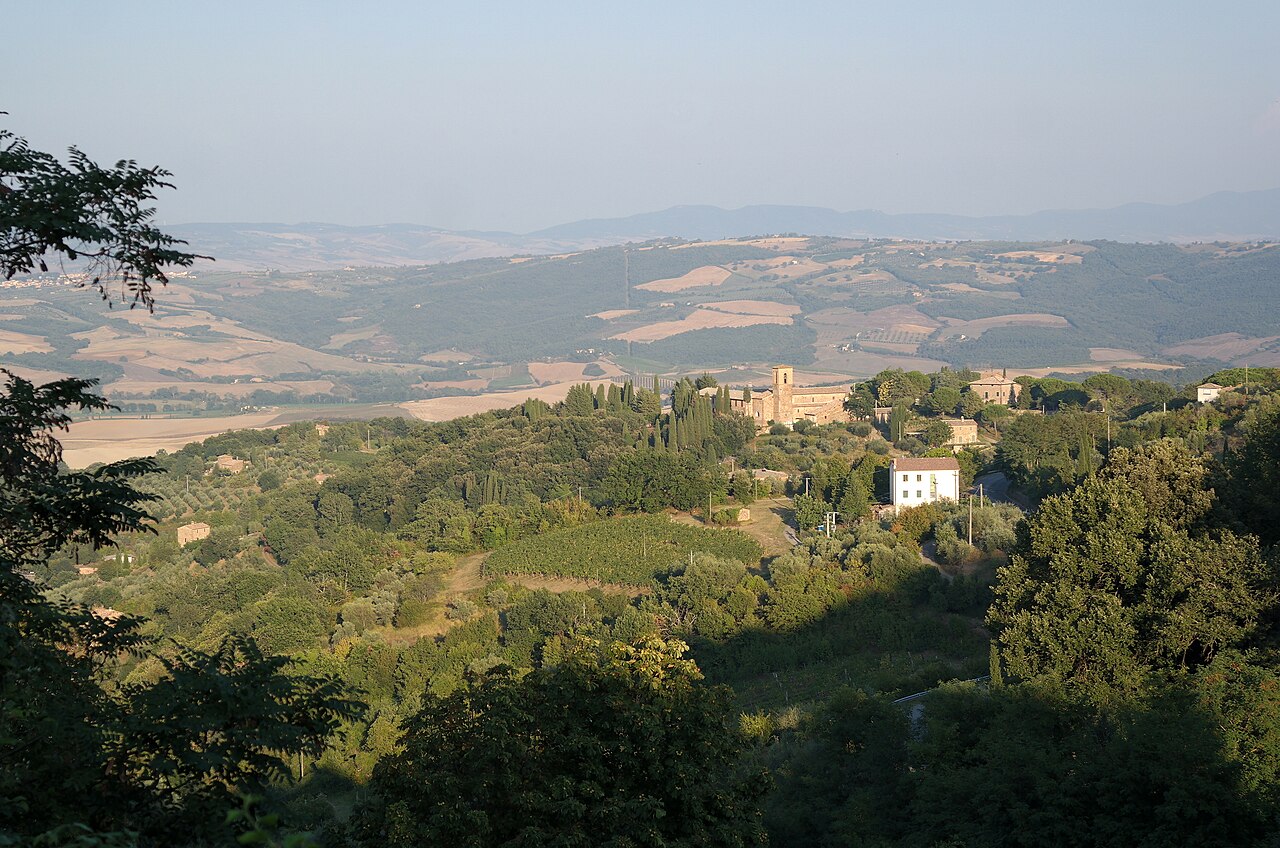
The Chianti Classico zone sits between Siena and Florence and is marked by the black rooster emblem on the neck of the bottle. Wines here are mostly Sangiovese, with notes of cherry, herbs and a fresh acidity that makes them excellent with food. The best-known categories are the annata, the riserva and the gran selezione, which reflect increasing selectivity and ageing. The landscape is a patchwork of vineyards, woodland, olive groves and castles, which is why a day in the hills is as much about scenery as the glass. The small-group Chianti day from Siena is the easiest way in, and an e-bike or scooter ride adds a more active angle.
Brunello di Montalcino
Brunello is Sangiovese grown around Montalcino, a hill town south of Siena, and it is made to age. Rules require long ageing in oak and in bottle before release, which gives the wine depth, structure and a savoury, dark-fruit character. It is usually the most serious and most expensive of the three, and a good tasting shows why. Montalcino has many cellars that welcome visitors, and the town itself is small and pleasant, with a fortress and a street lined with tasting rooms. The Brunello Temple museum tasting is one simple way to sample several producers in one place.
Vino Nobile di Montepulciano
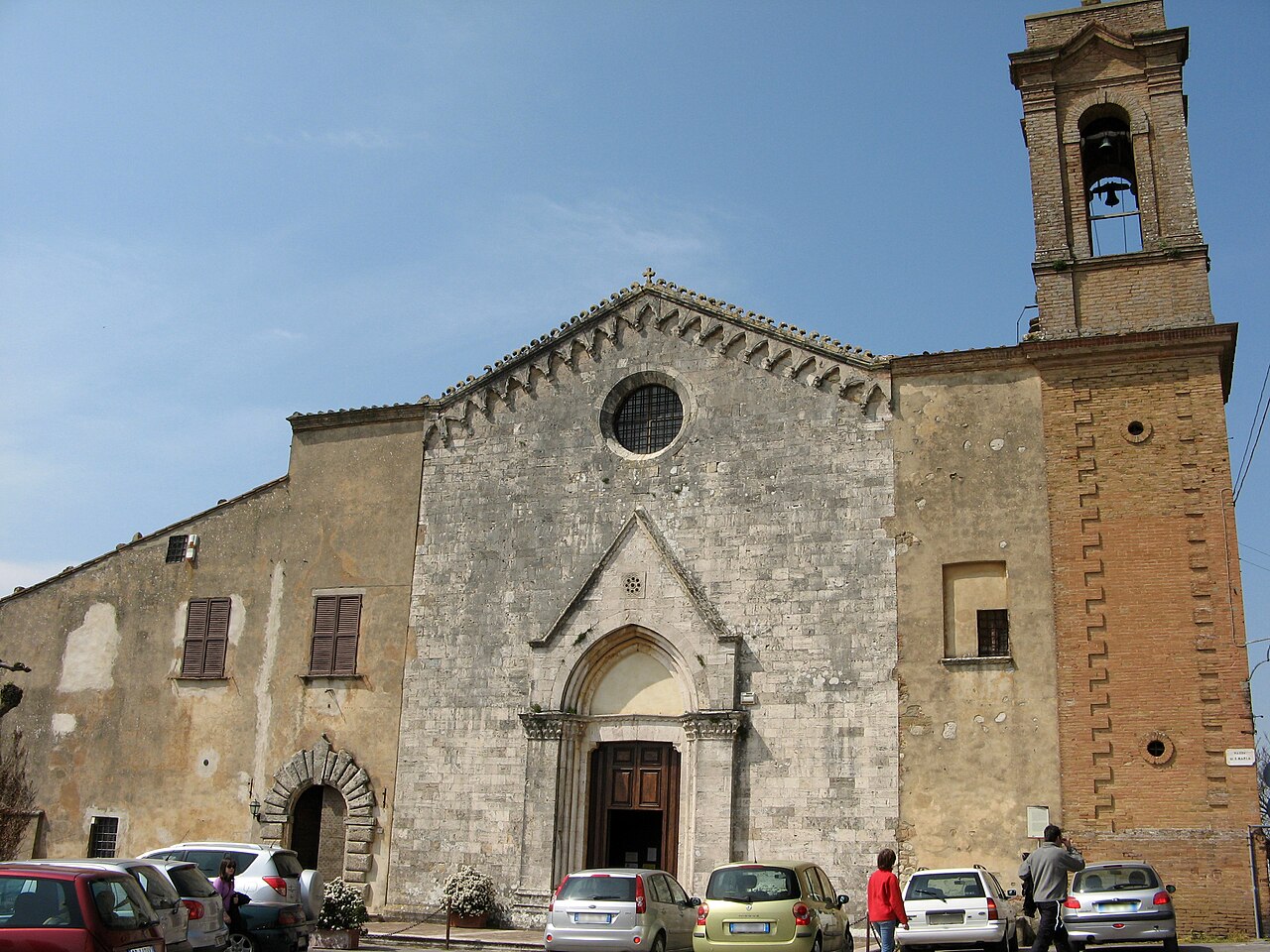
The name sounds noble because it was, according to local tradition, the wine of aristocrats. Made mainly from Sangiovese, called Prugnolo Gentile in this area, it is generally rounder and softer than Chianti and lighter than Brunello. The wine is aged in cellars beneath the town, and many are open for tastings, with brick vaults and long tunnels. Montepulciano is a steep and beautiful town, so combine the tasting with a walk to Piazza Grande and a look at the views over the Val di Chiana and the Val d'Orcia.
How to taste
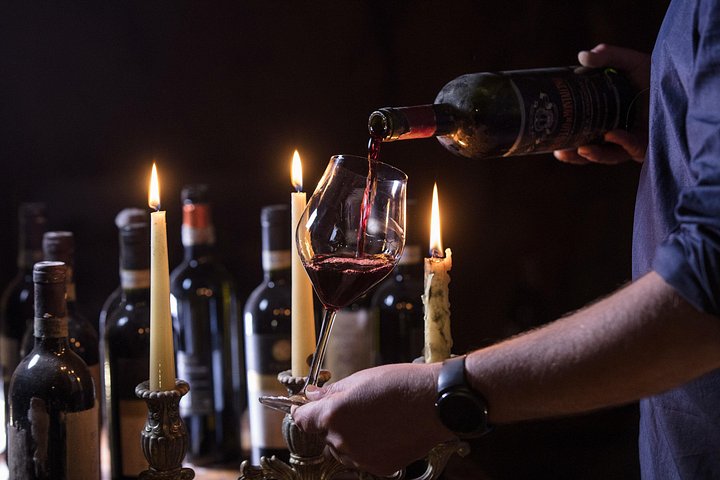
You do not need special knowledge. Look at the colour, swirl gently, smell, then sip and notice whether the wine feels light or heavy, sharp or soft, simple or layered. Spit buckets are normal at serious cellars and sensible if you will drive later. Ask the host what the producer is proud of, and what to eat with it. A tasting of three to five wines is enough for most people, and tasting with food, such as pecorino from Pienza, cured meats or olive oil, softens the effect and shows how the wines work at the table.
Choosing a format
There are four useful formats. A guided small-group day trip takes care of driving and gives context, and is the best choice if you want to taste several wines at several estates. A museum or enoteca tasting in a town is quick and requires no transport. A winery visit with a cellar tour and lunch is slower and more personal. A private or sommelier-led experience gives the most depth but costs more. Think about how much time you have and how much you want to learn.
Driving and tasting
Italy has strict drink-driving limits, and the roads in the hills are narrow and winding, so avoid combining generous tastings with driving yourself. Appoint a non-drinking driver, take a guided tour or book a driver. Taxis can be scarce in the countryside, so arrange the return journey before you start.
When to go
Spring brings fresh green vineyards and blossom. Summer is hot, and cellars offer welcome shade and coolness. Autumn is the harvest and the most atmospheric time, with colour in the leaves and a busy feeling in the villages, although some cellars are working hard and may limit visits. Winter is quiet, and many estates are happy to have visitors, though a few close, so ask before you travel. Book ahead for popular tastings in spring and autumn.
What to eat with it
Tuscan food and Sangiovese are a natural pair. Try pici with a meat ragu, wild boar stew, grilled steak, ribollita, pecorino and local olive oil. Sienese sweets such as panforte, ricciarelli and cavallucci are traditionally served with vin santo, a sweet wine, at the end of a meal.
Buying and shipping
Most estates sell wine and many will arrange shipping, which is more practical than carrying heavy bottles in a suitcase. Ask about rules for your country of destination, and about taxes and delivery times, before you buy. If you carry bottles home, wrap them in clothing and check airline limits on liquids in hand luggage.
A simple plan
Spend one day on Chianti by guided tour, one day in the Val d'Orcia with Pienza, Montalcino and Montepulciano, and keep the evenings for Siena, with a tasting in the old town and a dinner of pici. That plan gives a solid understanding of all three wines, with plenty of scenery and good food between glasses.