Most visitors to the Bay of Naples move by boat, train and coach, and they see the coast through a window. The Sorrento peninsula rewards people who want to use their legs, their arms or someone else's four legs. Its limestone spine rises steeply from the sea, its cliffs are riddled with coves, and its hillsides are crossed by mule tracks and farm lanes that were old before the first road was built. This guide gathers the active options in one place and explains how to match them to your fitness, the season and the weather.
Start on the water
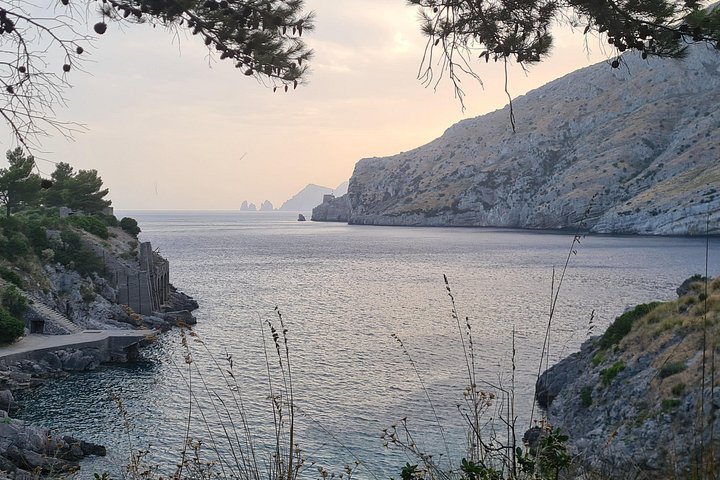
A guided sea-kayak tour from the coast west of Sorrento is the most distinctive active experience in the area. The paddling is gentle, the groups are small and the route runs under cliffs where the Sirens of Greek legend are said to have sung to Ulysses. You pass sea arches and small caves, and there is time for a swim in clear water. Mornings are calmest, and the season runs from late spring to early autumn. If the sea is rough, operators cancel, so keep a spare day. For a second water option, the hike to Ieranto Bay ends at a beach with a swim, and the walk back gives you the best views on the peninsula.
Go inland on an electric bike
The hills behind Sorrento are steep enough to put off most cyclists, but an e-bike removes the effort and leaves the pleasure. A guided e-bike food and wine tour takes quiet lanes through olive and lemon terraces to working farms, where you taste oil, cheese and wine with the people who make them. You do not need to be fit, but you should be comfortable riding a bike on a road. Wear light clothes, bring water and plan on a late lunch. It suits couples and friends, and it is a good first active day because the pace is forgiving.
Ride a horse through the hills
Horseback rides leave from stables outside the town and follow tracks through olive groves and woodland to viewpoints above the gulf. Beginners are welcome, the pace is a walk for most of the route, and the horses know the paths. The quiet is the point: you hear birds and bells rather than traffic. Wear long trousers and closed shoes, mention your experience honestly and check weight limits. Spring and autumn are the best seasons, because summer heat pushes rides to the early morning or evening, and rain makes the tracks muddy.
Walk the classic paths
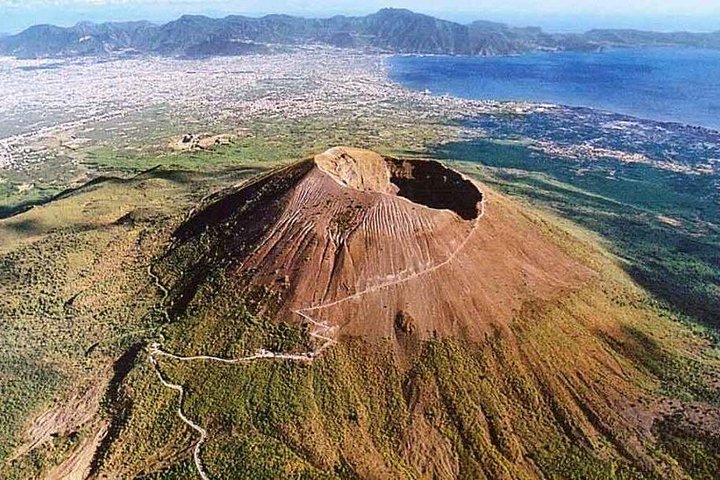
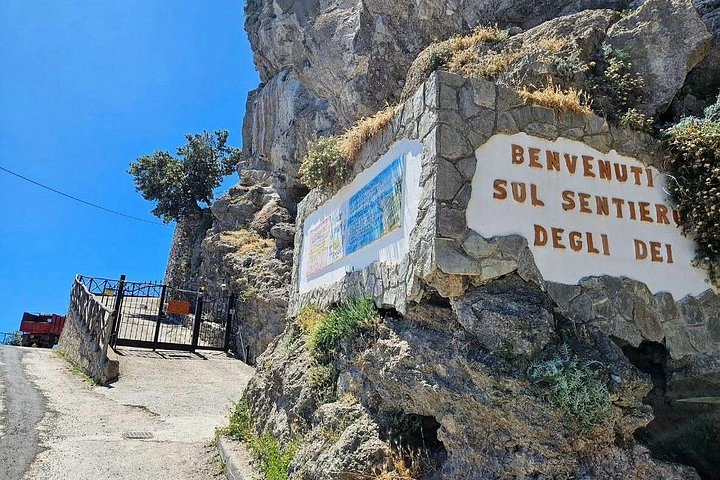
The Path of the Gods above Positano is the most famous walk on the coast, a high balcony trail with views down to Li Galli and across to Capri. It is long and has steps and exposed sections, so it suits confident walkers with good shoes, and it is best on a clear day in spring or autumn. Mount Vesuvius is the other great climb, a short but steep trail to the rim of a crater that has shaped the whole bay. For a gentler outing, Ieranto Bay is a half-day walk to a protected cove at the tip of the peninsula, and the coastal paths around Termini and Nerano offer shorter loops with sea views. Always carry water, a hat and a layer, and check conditions locally before setting out.
Build a three-day active plan
On the first day, take the e-bike food and wine tour, which eases you into the terrain and gives you lunch. On the second day, kayak in the morning and spend the afternoon on the old town and the sunset. On the third day, choose between the Path of the Gods and the Ieranto walk, depending on your energy and the forecast. If you want a rest day, a cooking class or a lemon grove tasting gives your legs a break without wasting the day. Leave a spare day for weather, because wind and rain affect kayaks, bikes and paths alike.
Fitness and safety
None of these activities needs athletic ability, but the peninsula is steep and the paths are uneven, so be honest about your fitness. Wear grippy shoes, carry water, use sunscreen and tell someone your plans if you walk alone. On guided tours, follow the guide's instructions and speak up about injuries or nerves. In summer, avoid the middle of the day, when the heat on exposed trails can be dangerous. In winter, shorter days and slippery stone mean you should start early and keep to well-marked routes. Many operators set minimum ages for kayaks, horses and scooters, so check before you book if you are travelling with children.
Where to stay
For an active trip, choose a base within easy reach of the starting points. A hotel in central Sorrento puts you close to the meeting points for tours, to restaurants for refuelling and to the harbour for boats. A property in Sant'Agnello or near the station suits walkers who plan to take trains and buses to trailheads. A hotel with a pool is a bonus after a day in the hills. Whatever you choose, ask about early breakfasts and luggage storage, which matter on active days.
Combine activity with food
Active days on the peninsula are best finished with a proper meal. Local cooking is built on lemons, olive oil, fresh cheeses and fish, and after a day outdoors a plate of gnocchi baked in tomato and mozzarella or a simple grilled catch tastes better than anywhere else. Many tours include tastings, and the cooking class is a good complement because it teaches the dishes you have been eating. Save the limoncello for the evening, because a glass at lunch makes the afternoon hard work.