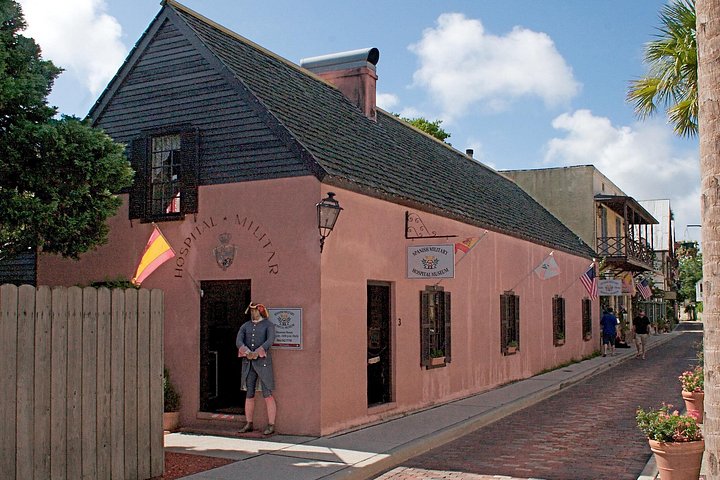
The Spanish Military Hospital Museum is one of the smaller attractions in the old town and one of the most memorable. It sits on Aviles Street, the oldest street in St. Augustine, and recreates the military hospital that served the Spanish garrison during the second Spanish period, the years after the British handed Florida back in 1784 and before it passed to the United States. The building is a reconstruction rather than an original survivor, furnished to evoke the instruments, bottles and bedding of the period. Visits are guided, which is the point: a guide walks you through the ward, the surgeon’s room and the apothecary, explaining how soldiers were treated for fevers, wounds and the diseases that killed far more of them than combat did. The tone is matter-of-fact rather than gory, and the demonstrations of period tools, from bone saws to herbal remedies, make the era’s medicine feel both ingenious and alarming. It is a short, absorbing stop that fits easily between the Castillo and the shops and galleries of Aviles Street, and it gives useful context for the soldiers who lived inside the fort a few blocks away.
What the visit is like
The tour is led by a guide who speaks to the group in each room and takes questions, so the experience depends a little on who you get and how many people are along, but the format suits curious adults and school-age children well. Expect to learn how the garrison’s surgeons worked with very few tools, why the apothecary mattered so much, and how a colonial hospital managed sanitation and diet when germ theory was still a century away.
Rooms are compact and the building is low and dark compared with the bright street outside, so it feels like a step back in time rather than a gallery. The ticket sold through our partner is a timed admission for the guided visit, so check the booking page for the current times and arrive a few minutes early.
Who it suits
History lovers, families with children old enough to enjoy a little gruesome detail, and anyone who has already seen the Castillo and wants to know what happened to the men who were hurt defending it. It is also a good wet-weather choice, since it is indoors and compact, and a sensible pairing with a stroll down Aviles Street, where galleries, cafes and old courtyards fill the blocks around it.
Very young children may find the surgical demonstrations unsettling, and the rooms are small, so a stroller will be awkward. Accessibility in a rebuilt colonial building can be limited, so contact the museum before you go if mobility is a concern.
How to fit it in
Plan on a short visit rather than a long one and combine it with the old town on foot. A good sequence is the Castillo first thing, then Aviles Street, the hospital, and lunch nearby before the heat of the afternoon. The museum is a few minutes’ walk from the plaza and the bayfront, and it works on a Nights of Lights evening only if you check its opening hours in advance, because small museums here close earlier than the shops.
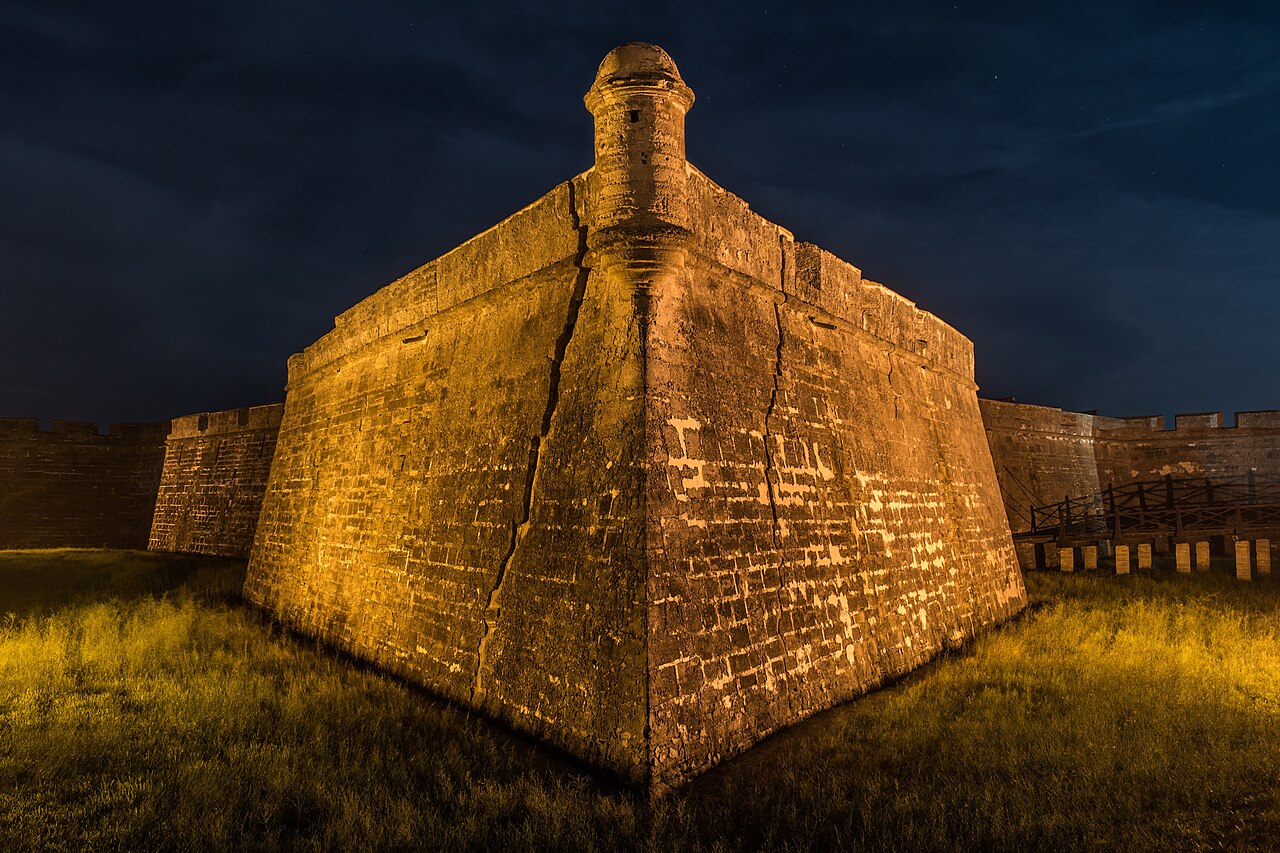
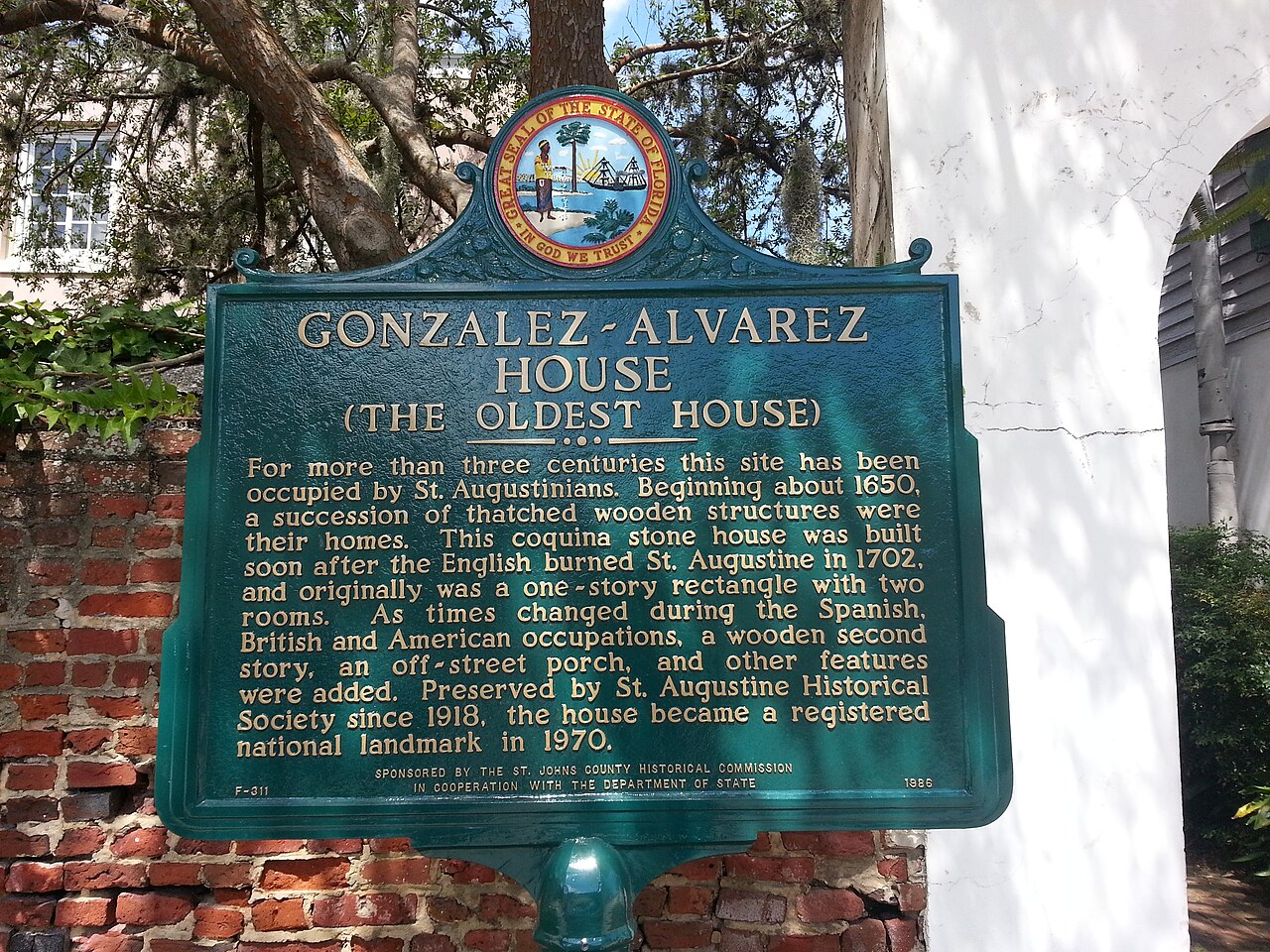
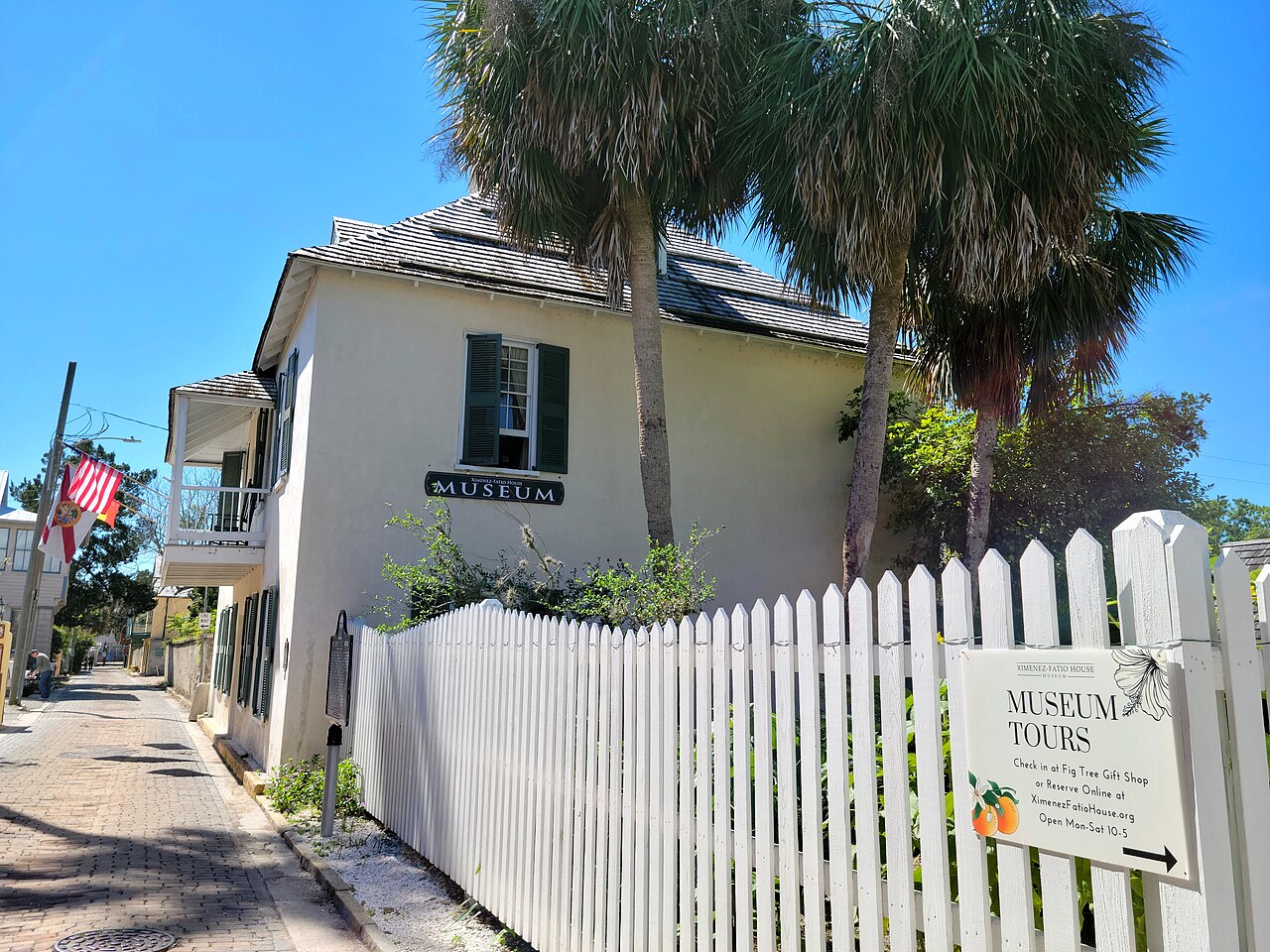
Combine it with the Oldest House complex and the Ximenez-Fatio House for a day devoted to how ordinary people lived in the colonial town, and you will leave with a much fuller picture than the fort alone provides.
What to expect
The experience
A guided walk-through of a reconstructed late-1700s Spanish military hospital, including the ward, surgeon’s room and apothecary.
Best time
Mornings, or any rainy or very hot hour; pair it with Aviles Street.
How long
A short visit; check the booking page for current timed entries.
Tips
Arrive a few minutes before your time. Rooms are small and low-lit. The surgical demonstrations can be graphic for very young children.
Quick picks
- Best for
- History fans and curious families who want the human side of the Spanish garrison.
- Families
- Good for school-age children who like gruesome history; less suited to toddlers.
- Couples
- A quirky, unhurried stop between the fort and a gallery stroll.
- Pair with
- Aviles Street, the Oldest House Museum Complex and the Castillo.
- Time needed
- A short stop within a half-day of old-town sightseeing.
Good questions
What is the Spanish Military Hospital Museum?+
It is a reconstruction of the hospital that served the Spanish garrison in the late 1700s, now run as a guided museum with a ward, surgeon’s room and apothecary.
Is the building original?+
No. It is a reconstruction, furnished with period instruments and supplies to show how the garrison’s medicine worked.
Is it suitable for children?+
Usually yes for school-age children who enjoy history, but the surgical demonstrations can be unsettling for the very young.
Where is it?+
On Aviles Street in the historic district, a short walk from the Castillo, the plaza and the bayfront.
Do I need to book ahead?+
The ticket is a timed guided visit, so booking ahead and arriving a few minutes early is the safe approach.