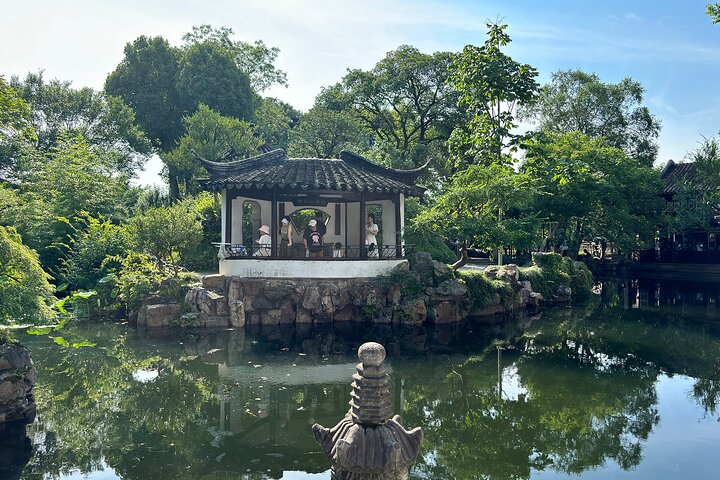
Suzhou can be enjoyed all year, but the experience changes a good deal with the seasons, and the right time depends on whether you want flowers, quiet, comfortable walking weather or the full holiday atmosphere. The classical gardens were designed to be seen across the whole year, with plantings chosen for each season, so there is always something in bloom or in colour, although some months are far more comfortable than others.
Spring (March to May): the favourite
Spring is the most popular time, and for good reason. The weather warms up, the willows along the canals turn green and the gardens fill with blossom, including azaleas, peonies and the wisteria for which the Humble Administrator’s Garden is known in the later part of spring. Temperatures are comfortable for walking, the days lengthen and the canals look their best. The price is crowds, which are heavy at weekends and very heavy around the early-May holiday, and hotel rates rise. If you come in spring, book gardens and rooms early and go to the gardens at opening.
Summer (June to August): hot, humid and green
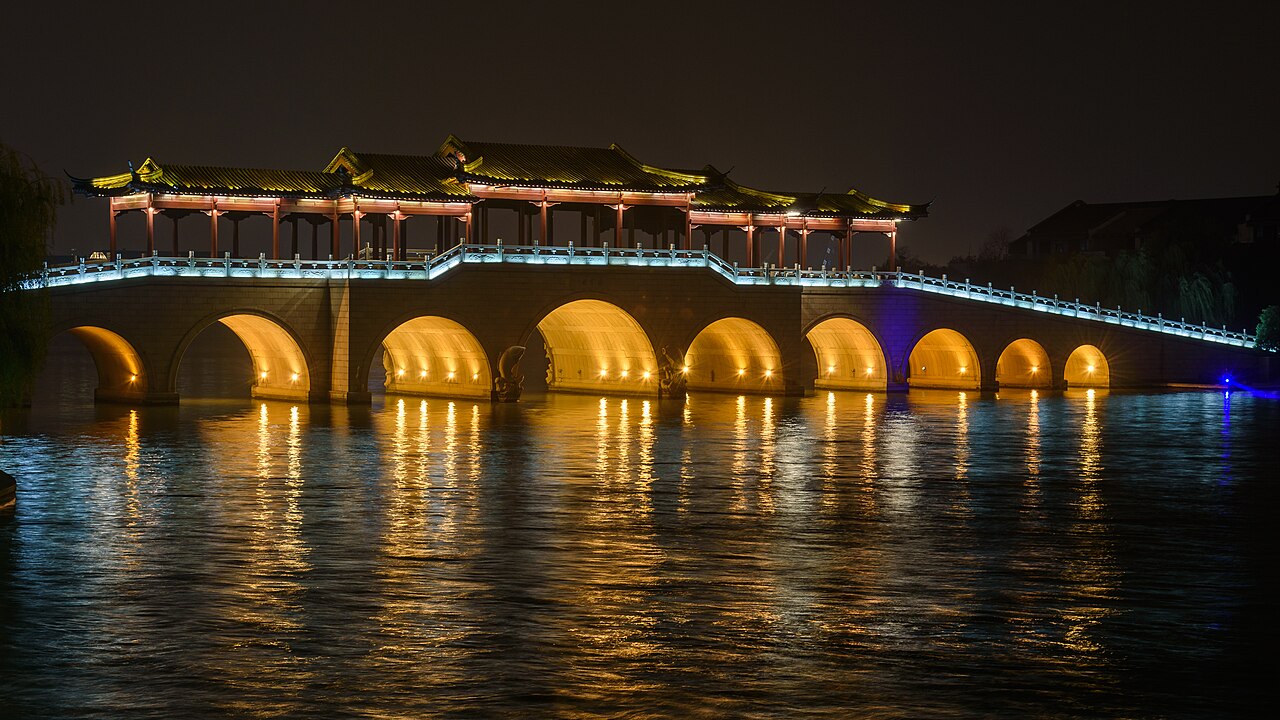
Early summer brings the plum rains, a spell of damp, overcast and rainy weather usually running from about mid June into July, when everything is humid and the stone paths are slippery. After that, the heat sets in, and temperatures and humidity can be punishing in the middle of the day. The reward is the lotus, which fills the ponds with flowers in the height of summer, and the long evenings, when the canals and the lanterns come alive. Plan outdoor sights for the early morning and late afternoon, spend the middle of the day in a museum or a teahouse, and carry water and an umbrella. Summer rain suits the gardens, since the corridors keep you dry.
Autumn (September to November): the best balance
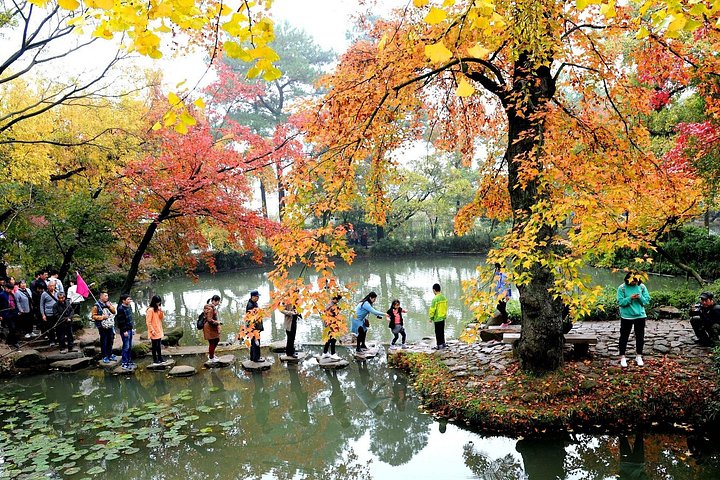
Many regulars consider autumn the finest season. The heat breaks, the skies clear, and the days are comfortable for walking from morning to dusk. Osmanthus trees fill the gardens and lanes with a sweet scent in the early part of the season, freshwater crab arrives on the menus, and the maples on Tianping Mountain turn red in the last weeks of the season. The main drawback is the national holiday in early October, when the whole country travels and the gardens and water towns are packed. Avoid that week if you can, and aim for late October or November, when the weather is crisp, the crowds have thinned and the colours are at their richest. Kunqu garden evenings run until the end of the season, so check dates.
Winter (December to February): quiet and underrated
Winter is cool and often damp, and occasionally chilly enough for frost, but it is the quietest time of year and the best for anyone who dislikes crowds. The gardens look elegant in the bare, misty light, and plum blossom appears in the second half of winter, scenting the paths. Winter days are shorter, and the gardens close earlier, at about five in the evening, so plan your sightseeing for the middle of the day. Heating in older buildings can be limited, so dress in layers and make use of teahouses to warm up. Hotel rates are at their lowest, except around the Spring Festival, when the country takes its biggest holiday of the year and many shops and restaurants close for several days.
Public holidays
Chinese public holidays, especially the Spring Festival, the early-May break and the early-October national holiday, are the busiest times by a wide margin. Timed gardens sell out, hotel rates climb and the lanes are shoulder to shoulder. If you cannot avoid them, book everything well ahead, start at opening and choose less popular sights, such as Panmen, Jinji Lake or a smaller garden.
Weekdays and times of day
Within any season, weekdays beat weekends, and the first and last hours of the day beat the middle. Tour groups arrive in the late morning, so an early start gives you the gardens to yourself for a while. Evening is a pleasant time for the canals, when the lights come on and the day crowds have gone.
So when should you go?
If you want the most reliable combination of weather, colour and atmosphere, choose late October or November, or April and early May outside the holiday. If you want quiet and low prices, winter is worth considering. If you must come in summer, start early, plan around the heat and embrace the lotus and the evenings.
Entry and planning
Whatever the season, check current visa rules for your nationality before booking, and carry your passport for timed garden entry. Keep a layer in your bag all year, because the weather changes quickly in the lower Yangtze region.