Three days is the ideal length for a first visit to Suzhou. It is long enough to see the best gardens without rushing, to add a water town and to spend an evening or two on the canals, and short enough that the gardens do not start to blur together. The trick is to group the sights by area, because the old city is spread out and the longest delays come from criss-crossing it. This plan follows that logic, with notes on what to book and how to adjust it.
Before you go
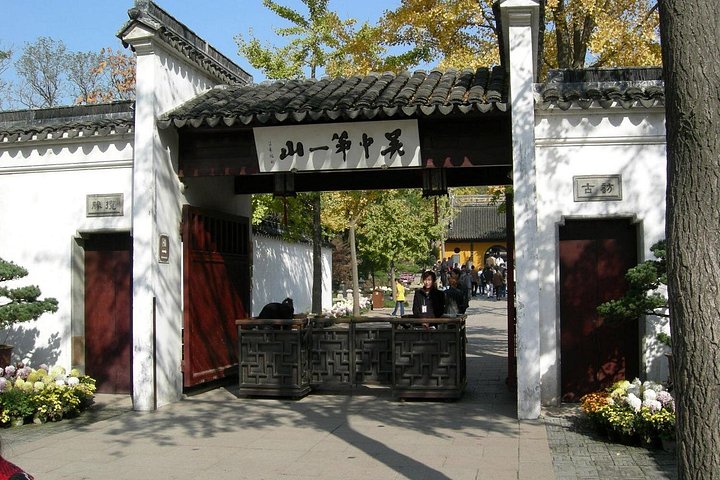
Book the Humble Administrator’s Garden and any other timed-entry gardens a few days ahead, especially for weekends and Chinese public holidays. Carry your original passport, because it is checked at the gate. Reserve the Suzhou Museum as soon as slots open, which is roughly a week ahead, and remember that the museums are closed on Mondays. If your visit includes a Monday, put the museum on another day and spend Monday on gardens and canals instead.
Day one: the north-east
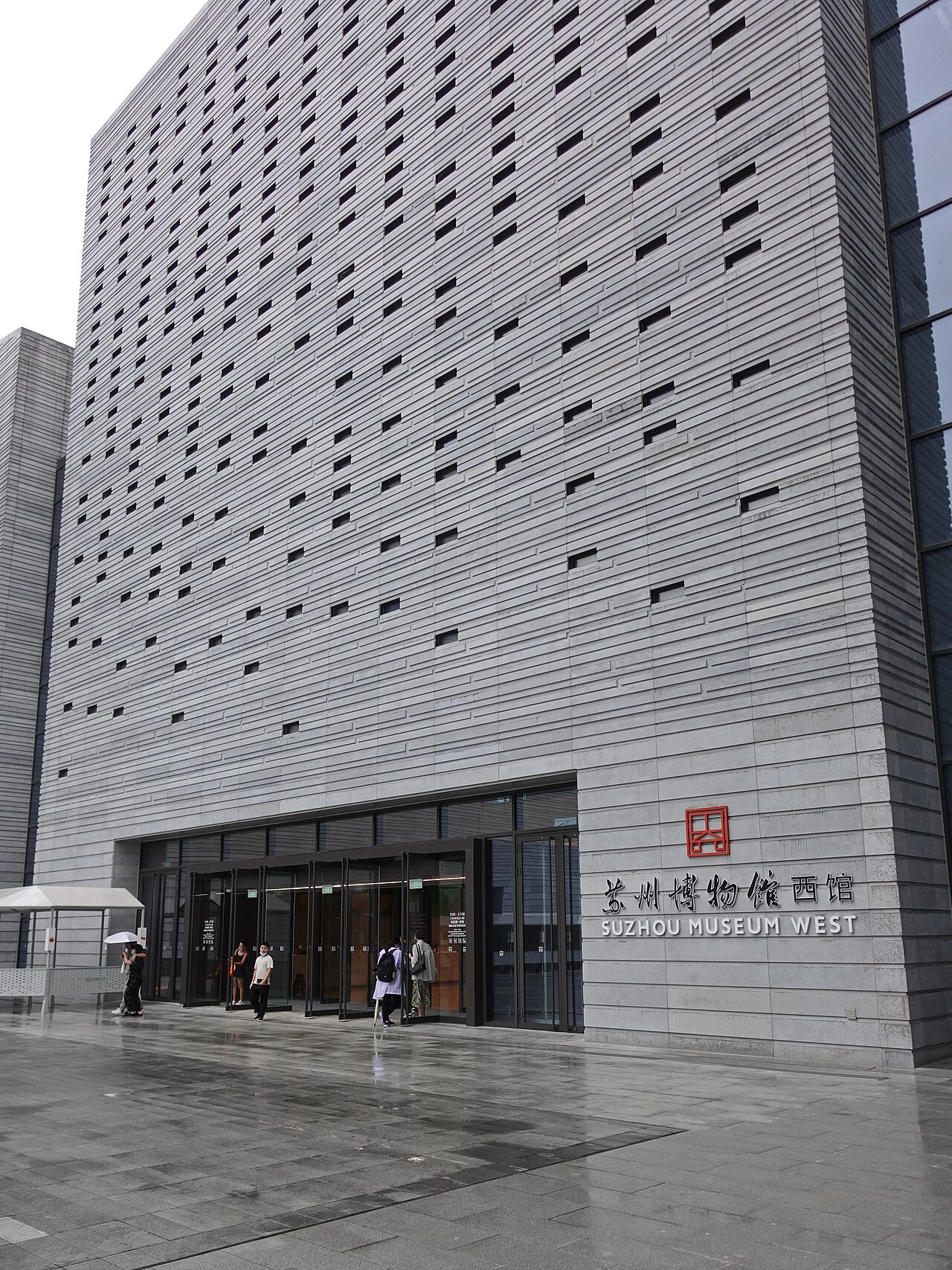
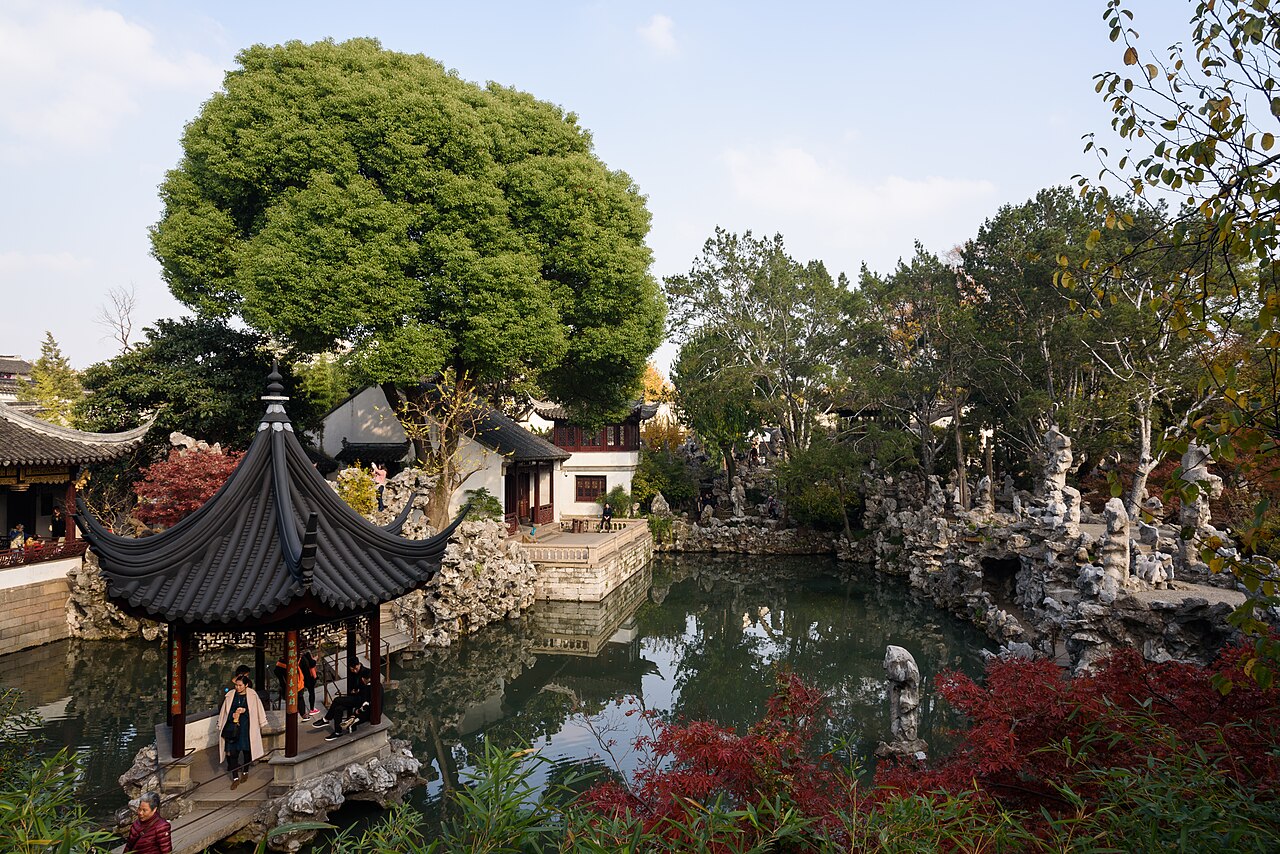
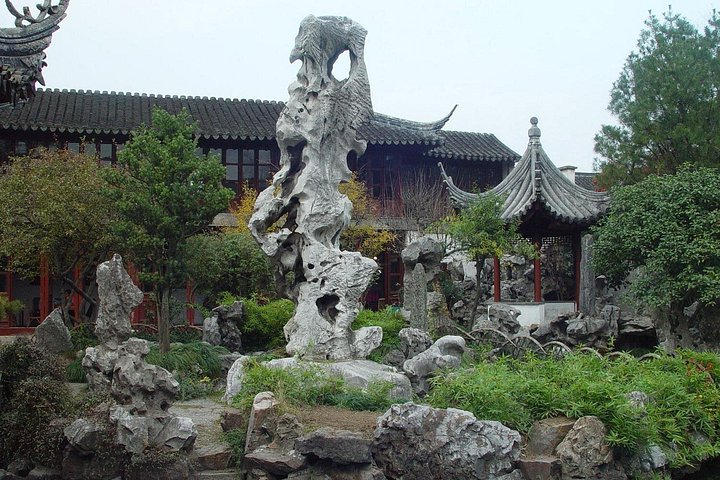
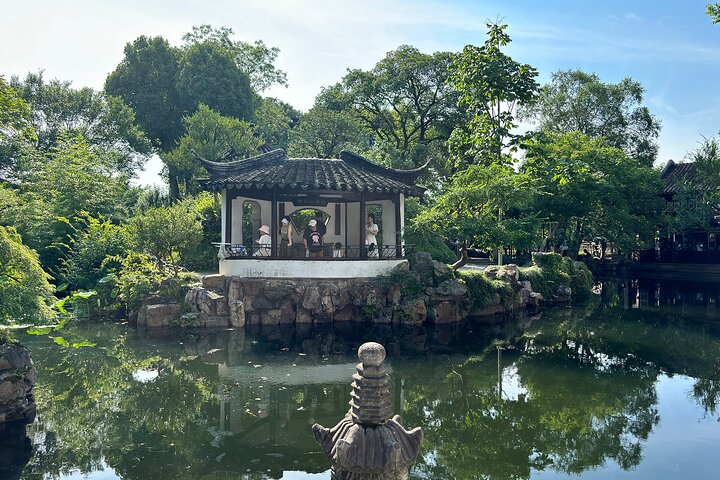
Start at the Humble Administrator’s Garden at opening, when the paths are quietest, and work against the tour groups by heading to the far end first. Allow two to three hours. Walk next door to the Suzhou Museum, the I. M. Pei building whose geometric courtyards and white walls are a deliberate modern echo of the classical gardens, and give it an hour or more. For lunch, find a noodle shop in the lanes nearby, since Suzhou noodles are a local speciality. In the afternoon, visit Lion Grove Garden, with its rock maze, which is easily the most fun for children and the most unusual for adults. End the day on Pingjiang Road, a stone-paved canal lane lined with teahouses. Walk it at dusk, when the lanterns come on, then have dinner in a side lane, where prices are lower.
Day two: the west and Tiger Hill
Take the metro or a taxi to the Lingering Garden for opening time. It is quieter than the Humble Administrator’s Garden and best known for its long covered corridor and its lattice windows, and two hours is plenty. Then head to Tiger Hill, a short ride away, for the leaning pagoda and the legend of King Helu’s tomb, which makes an easy half day with some uphill walking. In the late afternoon, walk Shantang Street, the canal street that runs from the old city gate towards Tiger Hill, and stay as the red lanterns light up. If you would rather end the day with something different, a private evening tour that visits the Master of the Nets Garden and a canal is available from local operators, which gives you the intimate scale of the smallest garden at night.
Day three: a water town and an evening of performance
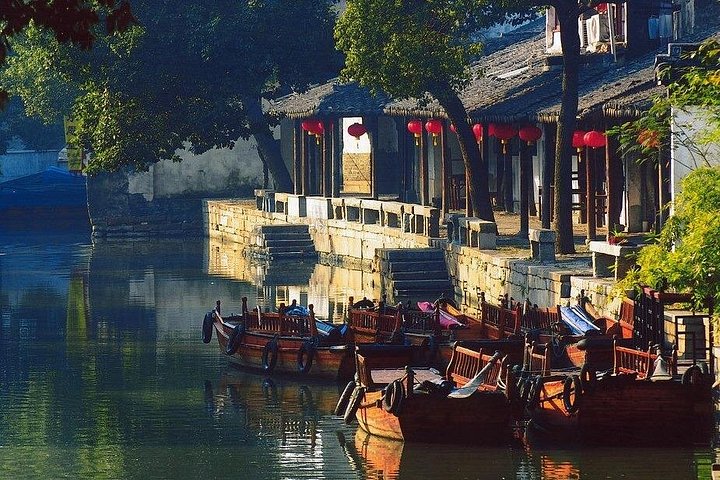
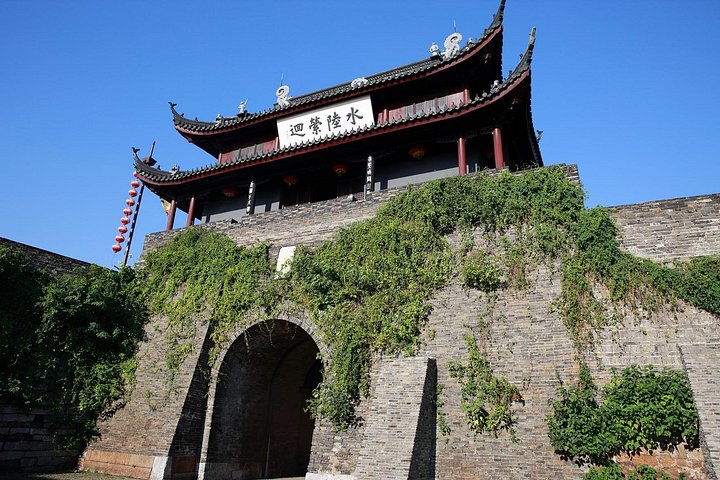
Spend the morning in Tongli, the calmest of the nearby water towns, about eighteen kilometres from the city. Walk its three bridges, take a short boat ride and give an hour to the Tuisi Garden, whose halls sit so low that the garden seems to float on its pond. If you prefer a larger, more famous town, Zhouzhuang is the classic choice, but it is busier. Return to Suzhou in the afternoon, and spend the golden hour at Panmen, where a reconstructed city gate, a Song dynasty pagoda and a high stone bridge meet the moat. For the evening, choose between a Kunqu opera experience and a teahouse session of Pingtan storytelling, both of which are best near Pingjiang Road. Check the schedule in advance, since Kunqu garden evenings run only in the warmer months.
If it rains
Suzhou’s gardens suit rain, because the corridors keep you dry and the wet stone and rippled water look their best, so you can stick to the plan. The Suzhou Museum and the Silk Museum are excellent indoor stops, and both are free, though the Silk Museum is also closed on Mondays. A teahouse and a Pingtan session make a fine wet afternoon.
If you only have two days
Combine days one and two, dropping Lion Grove Garden and Tiger Hill, and replace the water town with a short walk on Pingjiang Road. If you have a fourth day, add Tianping Mountain in late autumn for the red maples, or Wuzhen for an overnight in the most polished water town, or Jinji Lake for an evening walk along the modern skyline.
Getting around
The metro is clean, cheap and easy to use, and ride-hailing apps fill the gaps. Keep a mobile payment option that accepts foreign cards, plus some cash as a backup. Walking between the north-east sights is easy, but the west and south are farther apart, which is why the plan keeps each day in one area. Wear comfortable shoes, because the stone paths are uneven and the days involve a good deal of walking.
Where to stay
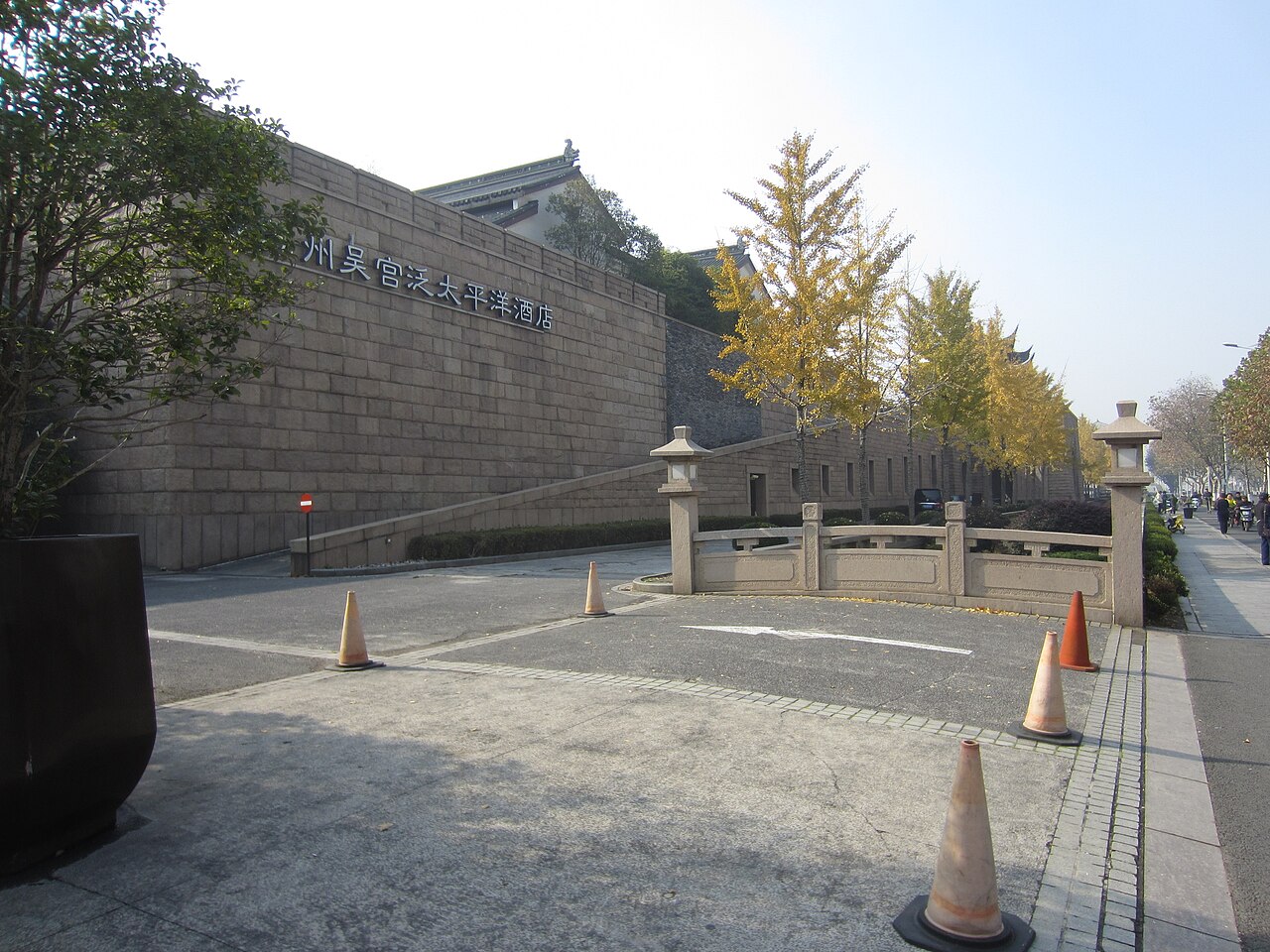
For a first visit, stay in the central old city near Guanqian Street, which puts the museum, the gardens and the canals within reach. If you prefer comfort and facilities, the larger hotels to the south and west offer pools and spas, and the plan works equally well from any of them, with a taxi in the morning.