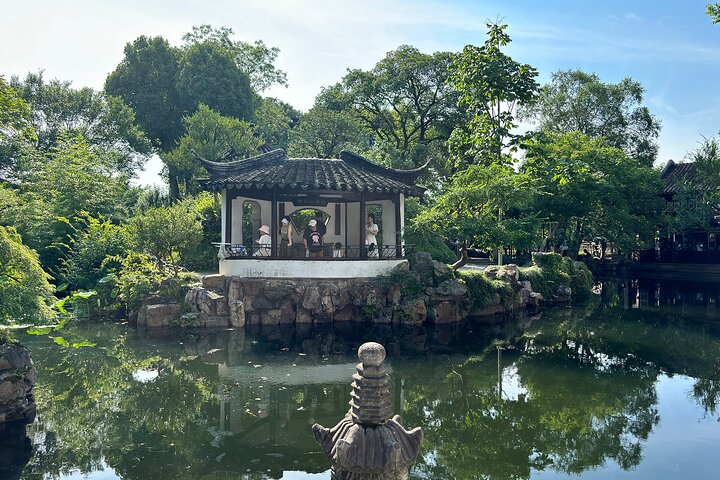
Suzhou is the canal-and-garden city of eastern China, a short bullet-train ride from Shanghai, famous for classical gardens that UNESCO has listed and for the old streets and bridges that give it the name Venice of the East. It is compact and easy to enjoy in two or three days, and the best sights reward a little planning. This guide covers what to book, how long to stay and how the main sights fit together.
How many days
Two full days is enough for the essentials, and a third day lets you add Tiger Hill, a water town and an evening of Kunqu opera at a slower pace. Many people visit as a day trip from Shanghai, which works but leaves little time for the gardens and the evening canals, so stay at least one night if you can.
What to book first
Most major gardens use real-name timed tickets, and your original passport is checked at the gate, so bring it and do not rely on a photo. Book the Humble Administrator’s Garden and the Lion Grove Garden several days ahead, particularly for weekends and Chinese public holidays, when slots can sell out. The Suzhou Museum is free but must be reserved, with slots opening about a week ahead, and it is closed on Mondays. Check any evening garden show dates before you plan around them.
The gardens
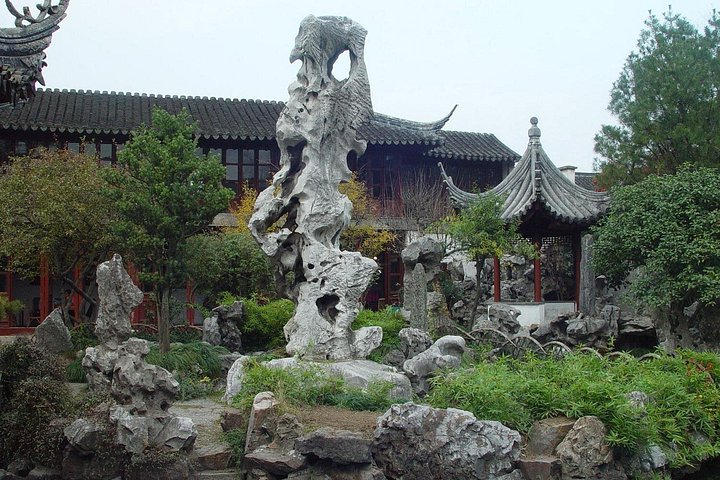
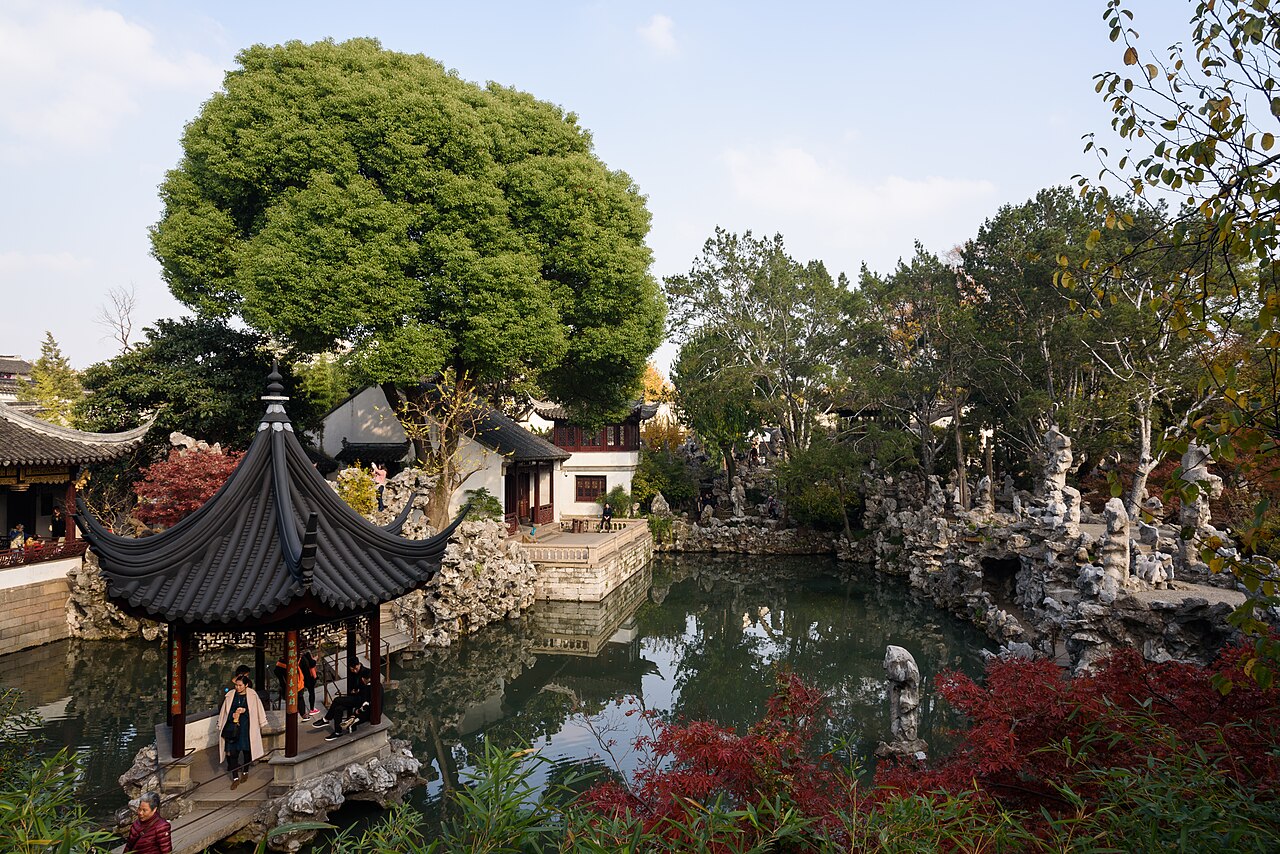
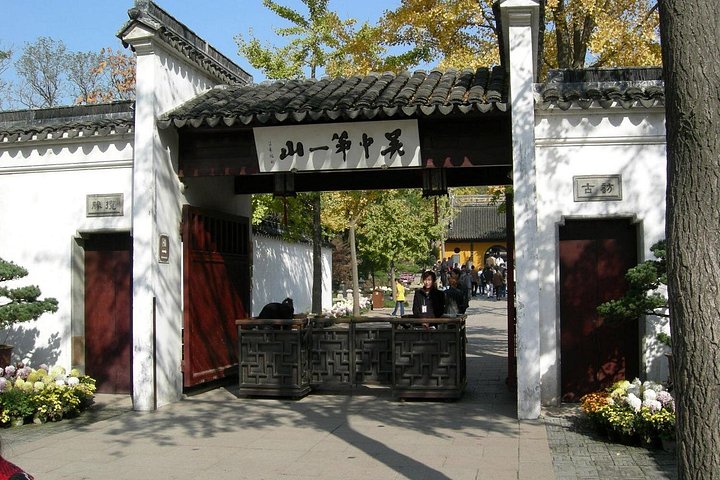
Start with the Humble Administrator’s Garden for scale, then see the Lingering Garden for its corridors and the Master of the Nets Garden for its tiny perfect pond. Lion Grove Garden is the playful rock maze, and works best with children. You do not need to visit all of them, and two or three is plenty, since the gardens share themes. Go early, when the paths are quiet, and allow about two hours for each of the big ones.
The old streets and canals
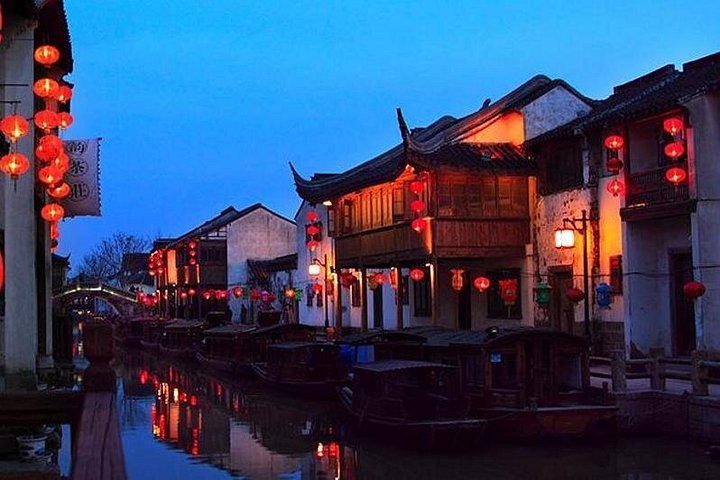
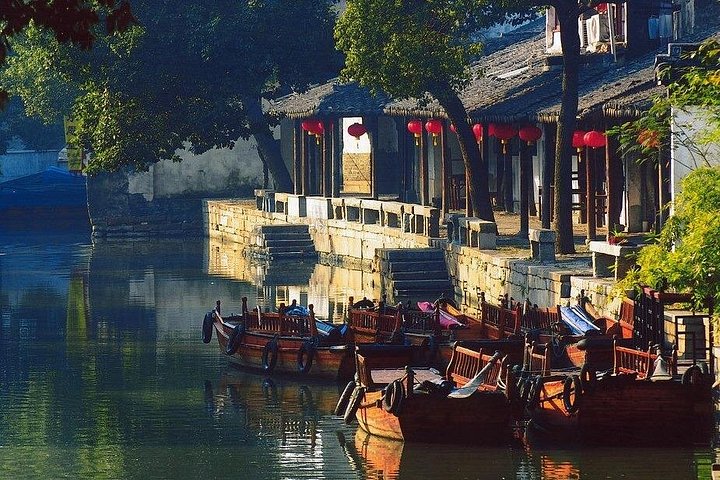
Pingjiang Road is a free stroll beside a canal, lined with teahouses and snack shops, and Shantang Street runs from the old city towards Tiger Hill and lights up with lanterns at dusk. Boat rides on the canals cost a modest fee and are worth doing once. Early mornings are the best time to see local life.
Museums and crafts
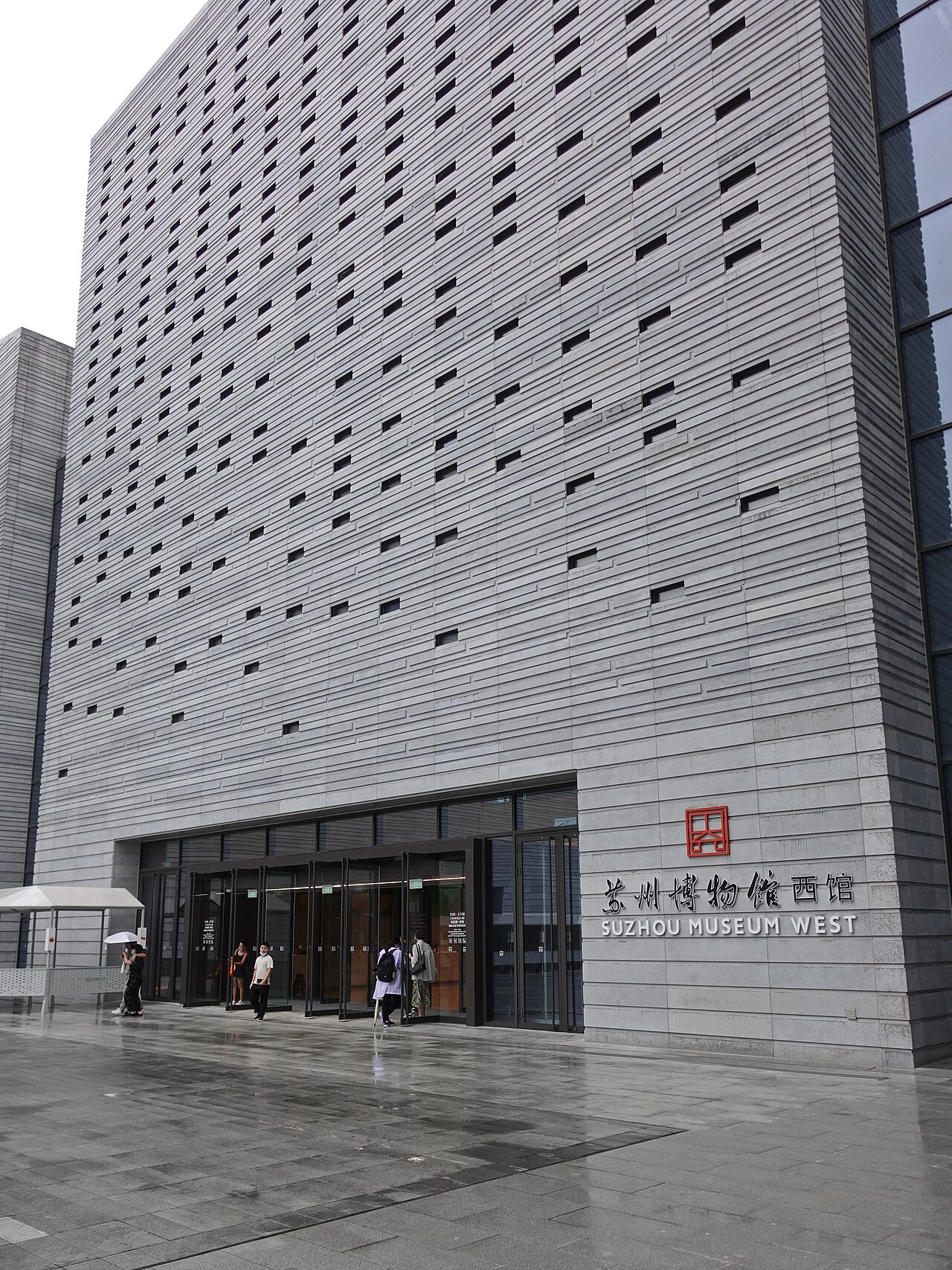
The Suzhou Museum, designed by I. M. Pei, is the highlight, with the Silk Museum a good rainy-day stop and a way to understand the craft before you shop. Both are free to enter, closed on Mondays and have a last entry at four in the afternoon.
Tiger Hill and a water town
Tiger Hill has the leaning pagoda and the legend of King Helu’s tomb, and is an easy half day. Choose one water town only, and Tongli is the quieter, calmer pick, about eighteen kilometres out. Going to several water towns gets repetitive, so use the time for gardens instead.
Kunqu opera
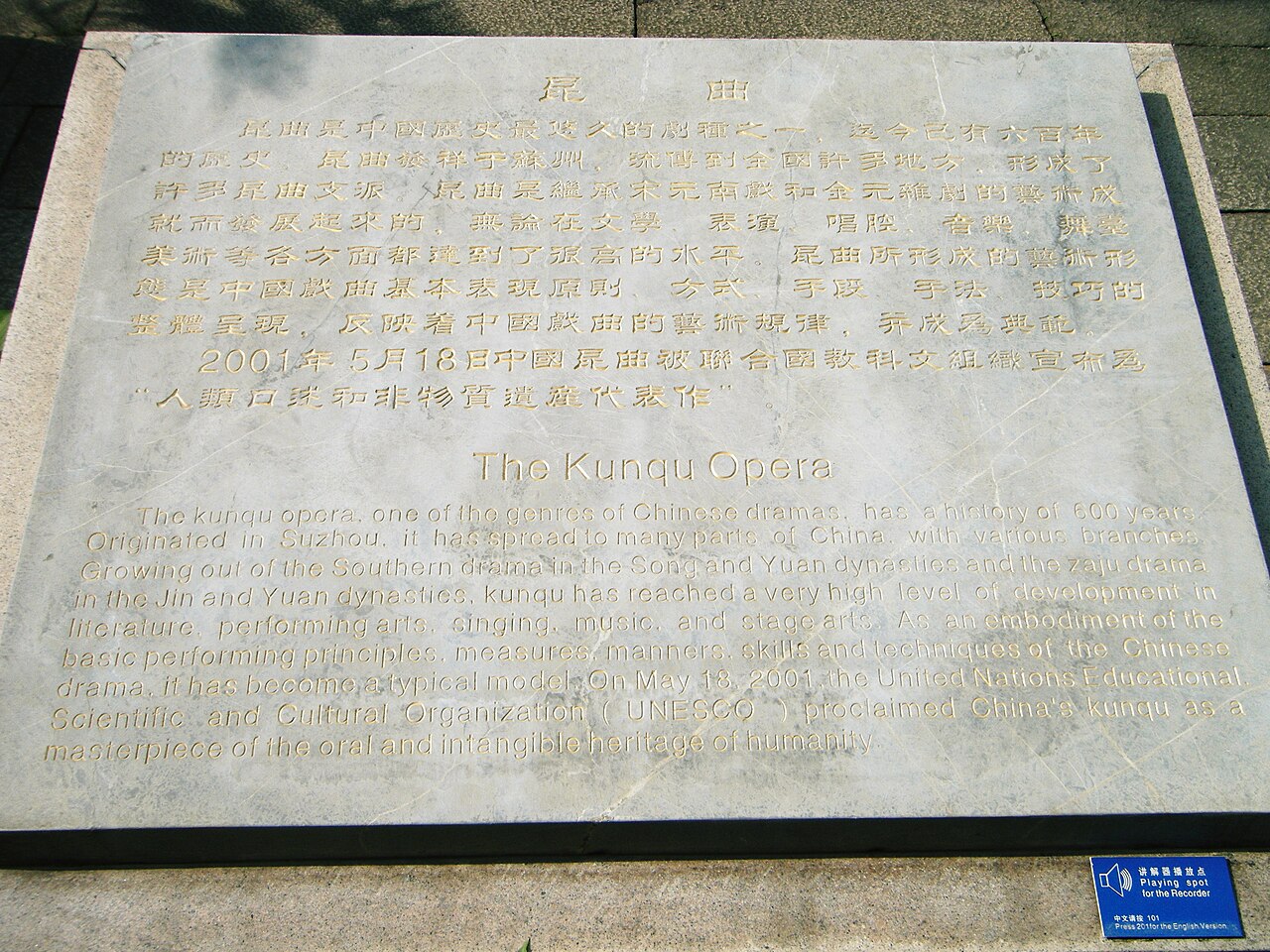
The garden performances and the museum on Pingjiang Road introduce the refined opera of the region, and an evening performance is a highlight for culture lovers. The season runs from March to November, so check dates if you visit late in the year.
Getting around
The metro is clean and easy, with lines reaching the museum, the gardens and the railway station, and taxis and ride-hailing apps fill the gaps. The old city is walkable, but distances between the north-east gardens and the west side are long, so group your sights by area. Set up a mobile payment app that accepts foreign cards before you arrive, and keep some cash as a backup.
Where the sights fit
The north-east holds the Humble Administrator’s Garden, the Suzhou Museum, Lion Grove Garden and Pingjiang Road, all within walking distance. The west has the Lingering Garden, Shantang Street and Tiger Hill. The south has the Master of the Nets Garden and Panmen. Spend one day in the north-east and one in the west and south.
Entry rules and seasons
China has expanded visa-free entry for visitors from many countries, but rules change often, so check current requirements for your nationality with the relevant authority before booking. Spring and autumn are best, with blossom or cool, clear days, while summers are hot and humid and winters are cool and damp. Public holidays are very crowded, so avoid them if you can.
A simple plan
Day one, the Humble Administrator’s Garden at opening, the Suzhou Museum, a walk along Pingjiang Road and dinner nearby. Day two, the Lingering Garden, Tiger Hill and Shantang Street at dusk, or the Master of the Nets Garden if you are staying in the south. Day three, Tongli by boat and a Kunqu evening.