Suzhou’s food is as refined as its gardens. The cooking here belongs to the Jiangnan tradition of the lower Yangtze, which favours fresh ingredients, light sauces, gentle sweetness and careful seasoning over the heat of Sichuan or the heaviness of the north. It is a cuisine of rivers, lakes and rice fields, with fish, shrimp, lotus root, water chestnuts and seasonal vegetables on every table. If you eat sensibly between the sights, you can taste most of it in three days.
The sweet and the savoury
Many first-time visitors notice that Suzhou dishes lean a little sweet, with sugar and soy used to build a gloss on braised meats and sauces. It is not dessert-sweet, and the effect is mellow rather than sugary. Look for braised pork, sweet and sour dishes, and stir-fried river shrimp, which is often cooked simply to let the freshness show. If you prefer less sweetness, ask for it to be less sweet, a request that restaurants understand.
Noodles
Noodles are the everyday soul of Suzhou eating, and a bowl makes a fine breakfast or lunch between gardens. Local shops serve them in clear or darker broths with toppings that vary by season, such as braised fish, stewed pork, pickled vegetables, shrimp or a fried egg, and the choice of toppings is half the fun. Many places sell the noodles and the topping separately, so you order a bowl and then choose from a counter or a menu. Look for the busy shops filled with locals at midday, and expect to eat quickly, since turnover is high.
Signature dishes
The most famous banquet dish is a whole fish, deep-fried in a squirrel-like shape and served with a sweet and sour sauce, and it is a showpiece in the city’s older restaurants. Others to try include lotus root stuffed with glutinous rice, river shrimp, preserved and braised vegetables, and a variety of slow-cooked pork dishes. Water-town restaurants have their own specialities, such as the slow-braised pork knuckle that Zhouzhuang is known for, and river fish and vegetables on the canal-side in Tongli.
Crab season
Autumn is the season for freshwater crab from the lakes around the city, and the months from roughly the end of summer into late autumn are when menus feature it. Crabs are steamed whole and eaten with ginger and dark vinegar, and a crab meal is a ritual, with tools, patience and tea. If you are visiting in the season, it is worth the effort.
Tea and teahouses
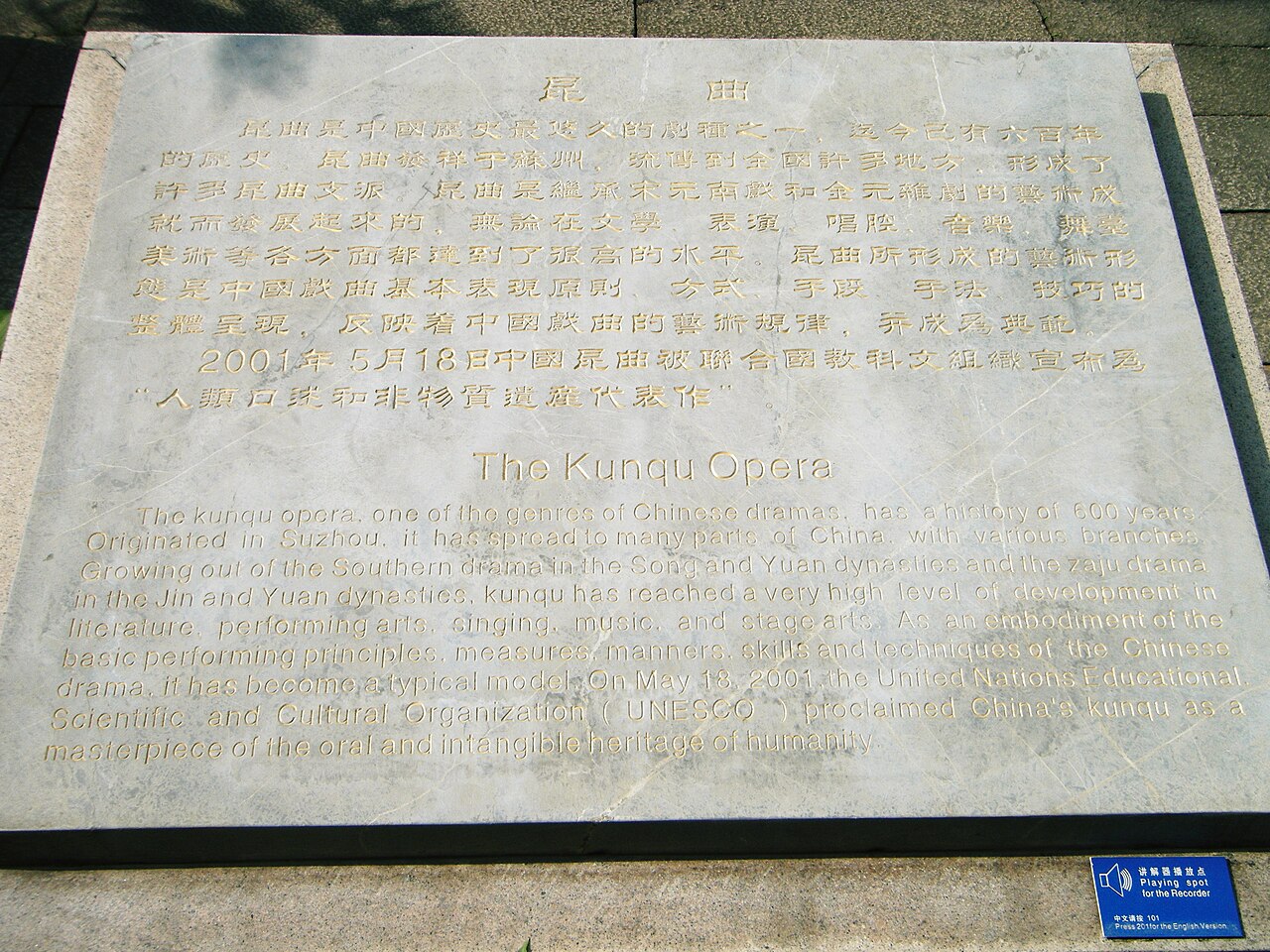
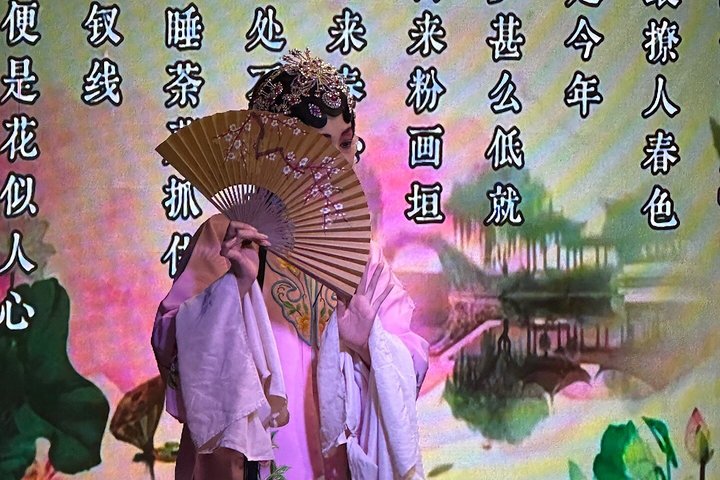
Suzhou sits close to some of China’s great tea country, and a local green tea is the drink of choice, served in a glass or a lidded cup. A teahouse on Pingjiang Road, in a garden or in a water town is the best way to rest between sights. Some teahouses combine tea with a performance of Pingtan storytelling or Kunqu singing, which turns an hour of rest into a cultural experience. Go in the afternoon, order a pot and a plate of nuts or sweets, and watch the canal.
Pastries and snacks
The city has a long tradition of sweet and savoury pastries, often shaped by the seasons, including steamed buns, rice cakes, glutinous rice dumplings, sesame cakes and sweets scented with osmanthus in autumn. You will find them in old-fashioned shops around the main shopping streets and along the canals. Buy a small amount and eat them fresh, and look for the places with a line of local customers.
Where to eat
The lanes around Pingjiang Road and Guanqian Street are the easiest for visitors, with a good range of restaurants and snacks, and prices drop as you move a lane or two from the canal. Shantang Street has more of the same, with a livelier evening atmosphere. Shopping centres near Jinji Lake have a broader range, including international food, if you want a break from Chinese menus. Old restaurants that specialise in the signature dishes are best booked ahead, particularly at weekends and holidays.
Practical tips
Menus in English are common in tourist areas, but not everywhere, so a translation app helps. Photos on menus make ordering easy, and you can point to dishes at neighbouring tables. Tap water is not for drinking, so buy bottled water or drink boiled water at your hotel. If you have dietary restrictions, such as vegetarian or allergies, write them in Chinese or show them on your phone, and note that broths are often made with meat even in vegetable dishes. Mobile payment is the default in most places, so have a payment app that accepts foreign cards and some cash for small stalls.
A day of eating
Start with a bowl of noodles for breakfast, take tea at a teahouse in the middle of the morning, eat a banquet-style lunch at a restaurant near the gardens, snack along the canal in the afternoon, and finish with a river-fish dinner and a stroll to digest. It is the best way to taste Suzhou slowly.