Takayama is a superb base because so much of the Hida region lies within a day's reach. Some trips go to thatched villages, some to the high Alps and some to quiet hot-spring or canal towns, and most leave from the station area by bus or train. You can mix and match, and it helps to know which trips are seasonal, which suit bad weather and which are easier by guided tour. This guide sorts the main options.
Shirakawa-go and Gokayama
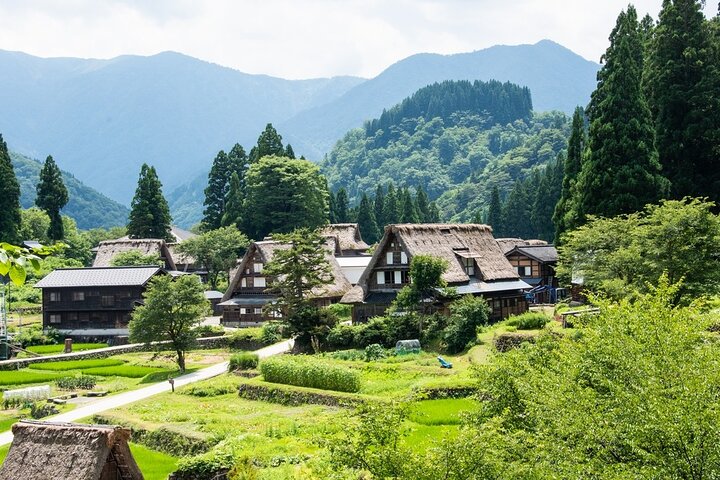
The most popular excursion is to the World Heritage villages of Shirakawa-go and Gokayama, about an hour away by road, where steep thatched gassho-zukuri farmhouses stand among fields and rivers. A scheduled sightseeing bus from Takayama handles the mountain driving, which matters in snow. Plan on a full day, reserve a seat ahead, particularly at weekends, and choose one or two things to do properly rather than rushing: a walk through the village, a house interior and the viewpoint. Winter is the most photogenic season, with snow on the roofs, though roads can be affected by weather. Gokayama's quieter hamlets reward the extra time if your trip includes them.
Kamikochi
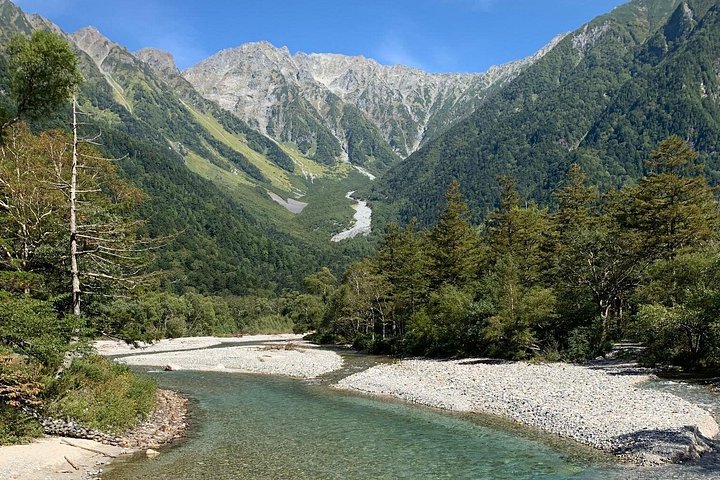
For alpine scenery without a serious hike, Kamikochi is a high valley of clear river, flat boardwalks and views of the Hotaka peaks. It is only open to visitors in the warmer months, from about mid-April to mid-November, so it is a spring, summer and autumn trip, and autumn colour peaks around the middle of October. Private cars are restricted, so most people go by bus or on a small-group day trip. Take layers and walking shoes, and expect a long day.
Shinhotaka Ropeway and Okuhida
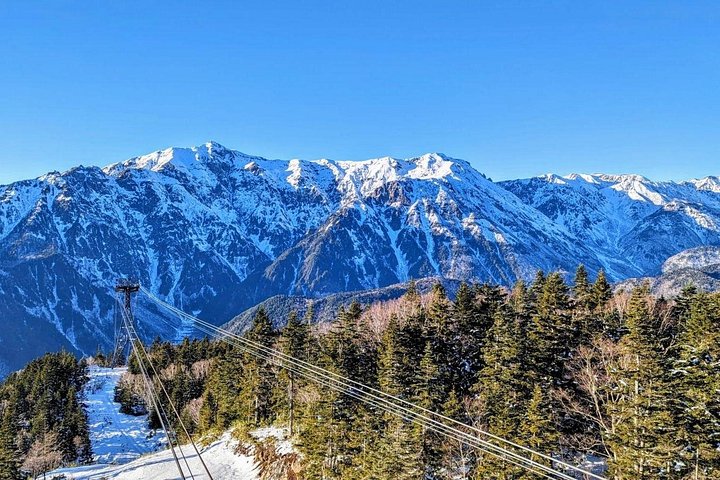
The Shinhotaka Ropeway climbs in two stages to a ridge at about 2,156 metres, with a double-decker gondola on the upper stage and a snowy viewing deck in winter. It runs through the cold months but can stop in strong winds, so check conditions. The hot-spring villages of Okuhida sit below, and a two-day bus pass ties them together. A guided day trip can combine the ropeway with the folk village and a limestone cave, while independent travellers can use the scheduled bus from Takayama Station and build in a soak.
Gero Onsen
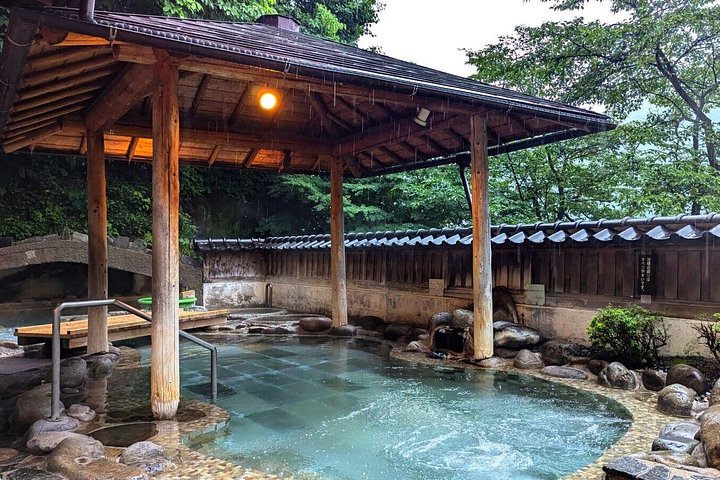
Gero is one of Japan's famous hot-spring towns, on the Hida River under an hour south of Takayama by limited express. The water is soft and silky, the town has public baths and foot baths, and Gassho Village, an open-air museum of relocated farmhouses, adds something to see. It is a good winter trip and an easy one on public transport. Take a small towel, ask about tattoo rules and go late morning for an afternoon soak.
Hida-Furukawa
A short train ride north, about twenty minutes, Hida-Furukawa is a small town of white storehouses along a canal full of koi carp, with craft shops, sake breweries and candle makers. It has the feel of Sanmachi Suji with far fewer people, and its spring festival, held each April, features a lively drum procession. Two or three hours is enough, so it combines well with a morning in Takayama or a lunch stop. Fans of a famous animated film also visit for its settings.
Choosing by weather and season
On a clear morning, choose the mountains, Kamikochi in season or the ropeway. On a wet day, the limestone cave, a hot-spring town or Hida-Furukawa work better, since they do not depend on views. In deep winter, Shirakawa-go, Gero Onsen and Okuhida are the best bets. In autumn, aim for Kamikochi before the season closes and the mountain roads before the first snow.
Transport and booking tips
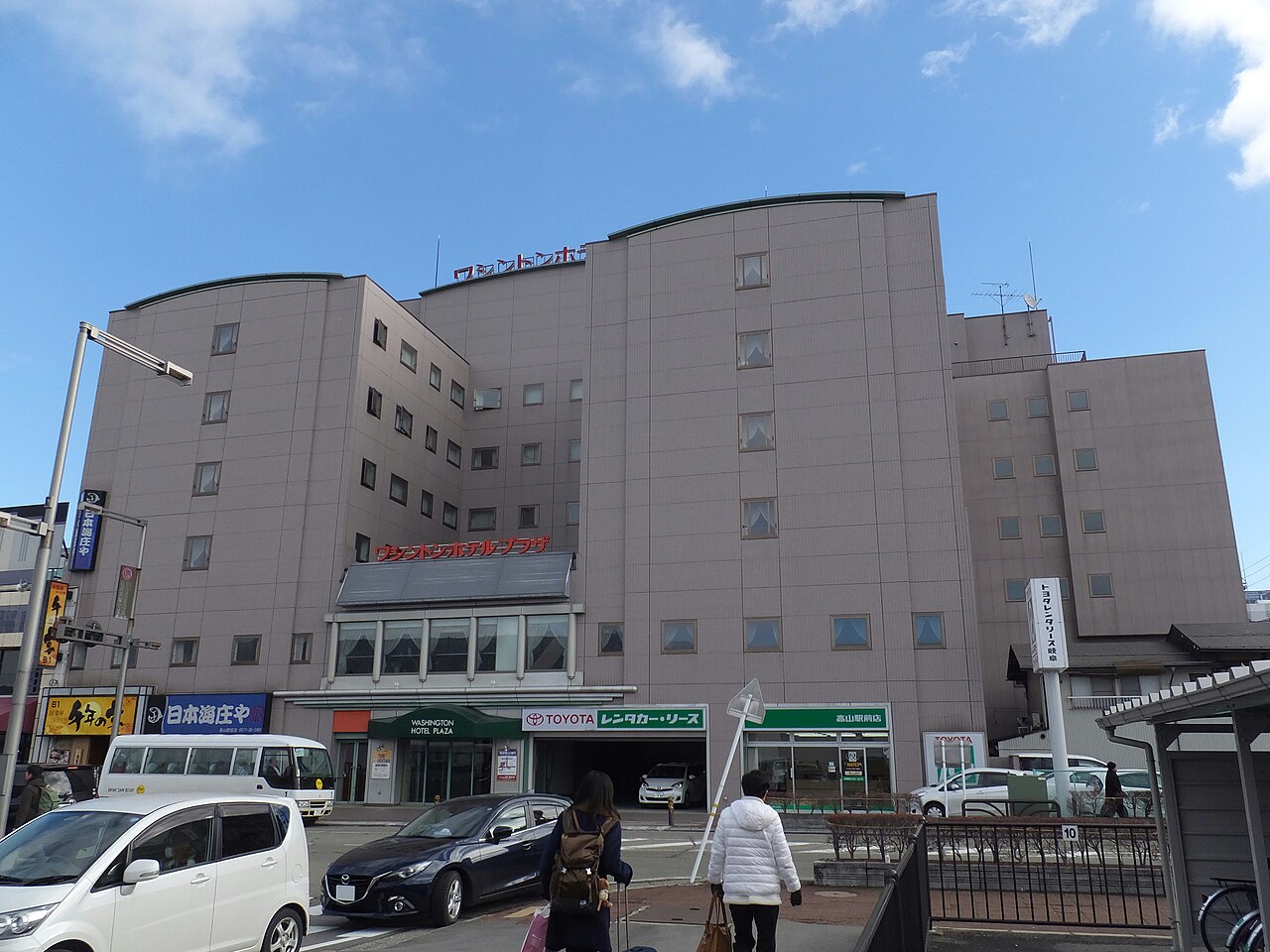
Buses for Shirakawa-go, Okuhida and the ropeway leave from near Takayama Station, and the trains to Gero and Hida-Furukawa run on the same line, so a hotel near the station makes early starts easy. Reserve bus seats and tours ahead for weekends and holidays, check the day's weather and road status before you go, and carry cash for small shops and baths. Allow flexibility in winter, when schedules can change. Guided tours cost more than public transport but take care of timing and connections, which is helpful for mountain trips and for travellers who do not speak Japanese.
Combining trips and resting days
Mountain days are tiring, so try not to schedule two long excursions back to back. A good pattern is one big day, such as Shirakawa-go or the ropeway, followed by a gentler one, such as Hida-Furukawa or a hot-spring afternoon, with a slow morning in the old town in between. If you only have time for one trip, Shirakawa-go gives the most iconic scenery, Kamikochi the best walking in season and Gero Onsen the most relaxing day.