Takayama is a place with four distinct moods, and the best time to visit depends on what you want from it. Spring has blossom and one of Japan's great festivals, summer opens the high mountains, autumn paints the hills red and gold, and winter turns the old town and the thatched villages into a snow scene. There is no bad season, only different priorities, and it helps to understand how opening hours, roads and crowds shift through the year.
Spring: blossom and the Sanno festival
From late March into April, cherry blossom spreads up the valley, usually a little later than in Tokyo or Kyoto because of the altitude. The headline event is the spring Takayama Festival, usually held in mid-April, when the gilded festival floats are paraded through the old streets and some are brought to life with mechanical puppets. It is one of the most famous festivals in Japan and also one of the busiest times to visit, so book your hotel well ahead, expect crowds and accept that rooms will cost more. Even outside the festival days, you can see the floats up close at the Festival Floats Exhibition Hall, which is open all year. Spring weather is changeable, with cold mornings and mild afternoons, so wear layers.
Summer: green valleys and the high Alps
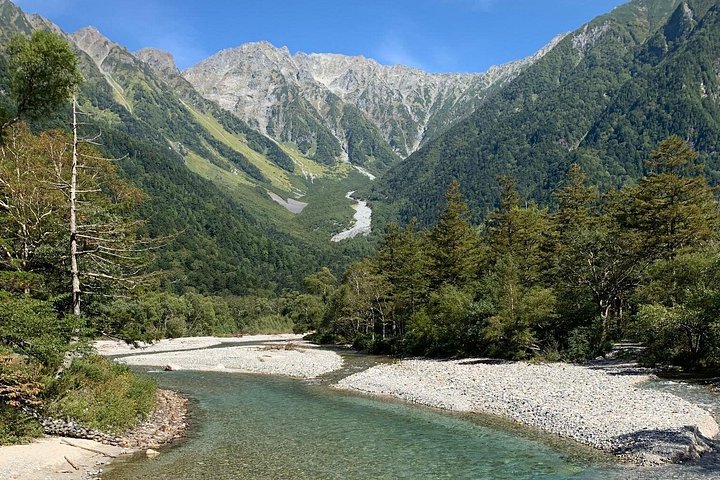
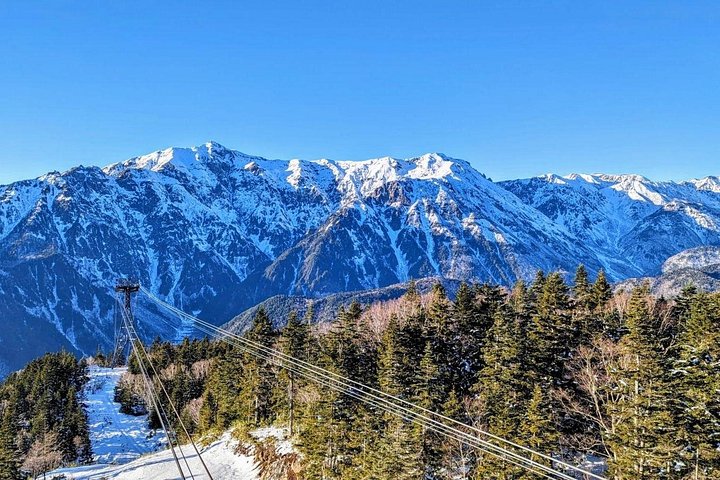
Summer is warm and sometimes humid in the valley, but the mountains stay cool, which makes it the season for hiking, the Shinhotaka Ropeway and the alpine valley of Kamikochi, which is open from about mid-April to mid-November. The early rainy season in June and July can bring grey skies, while August has holiday crowds around the middle of the month. Early mornings are lovely in the old town, and the clear rivers and shaded paths of the Higashiyama temple hillside are pleasant in the heat. If you want fewer people, aim for weekdays and the shoulder weeks at either end of the summer.
Autumn: colour and the Hachiman festival
Many people consider autumn the best season. Colour starts in the high mountains in early October, reaches the valleys around the middle of the month and arrives in the old town in late October and early November, so you can follow it downhill. The autumn Takayama Festival, usually in early to mid-October, is smaller than the spring event but still lively. The air is crisp, the skies are often clear and the hot springs start to feel wonderful. Kamikochi is at its best in the middle of October, though it closes for the winter in mid-November. Accommodation is in demand at festival time and on weekends, so book early.
Winter: snow, onsen and sake
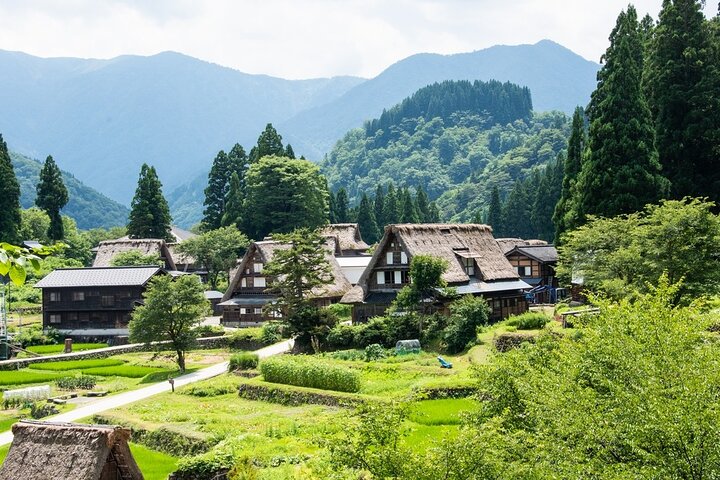
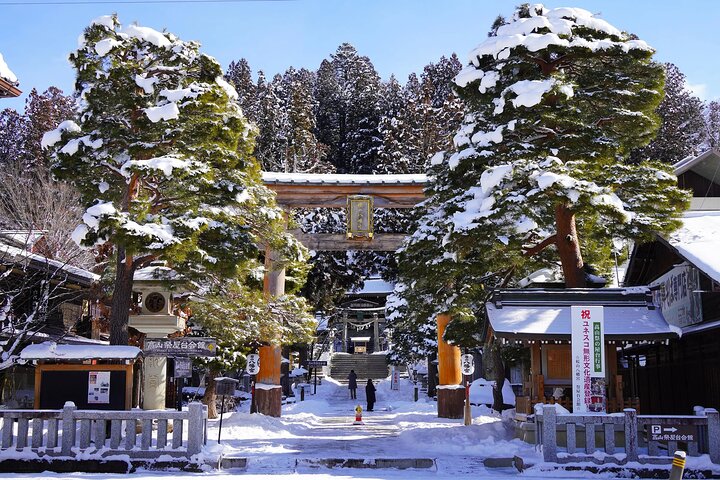
From December to March, snow settles on the roofs, the lanes go quiet and the thatched houses of Shirakawa-go look like a postcard. It is the season for hot-spring soaks in outdoor baths, for sake tasting at the breweries during the brewing months, and for hearty food. Winter also means practical trade-offs: the morning markets start later and have fewer stalls, the Jinya and the festival hall close earlier, the Jinya closes around the New Year, and mountain roads can be affected by snow. Shirakawa-go holds a winter light-up on a few evenings, with advance reservations required and dates announced late in the year, so plan ahead if that is your goal. Wear shoes with grip, carry warm layers and keep your schedule flexible.
Crowds and costs
The busiest times are the two festivals, Golden Week at the start of May, the middle of August, peak autumn colour and the New Year period. The quietest and cheapest times are late January, February outside any events, and the early part of June. If you want snow and few people, go midweek in January or February. If you want blossom and festivals, accept crowds and book early.
Our pick
For first-timers, the middle weeks of October and the snowy months of January and February are the most rewarding, because they deliver the sights Takayama is known for. If you prefer fewer people and are happy with changeable weather, choose late spring or the start of summer, when the town is green and the mountains are opening up. Whatever the season, give yourself at least two nights, so you can see the old town at dawn and dusk. Finally, remember that opening hours, festival dates and the dates for seasonal roads and valleys shift a little from year to year, so confirm the details for your own dates before you lock in bookings.