Two nights is enough to see the headline sights of Takayama, but three days lets you slow down, add a mountain excursion and finish with a soak instead of a sprint. This itinerary is built around how the town really works: the old quarter is small and walkable, the best excursions leave from the station, and the day has a natural rhythm of early markets, a long lunch, a quiet afternoon and a hot bath. Swap the days around to suit the weather, because mountain trips are best on clear mornings.
Day one: the old town on foot
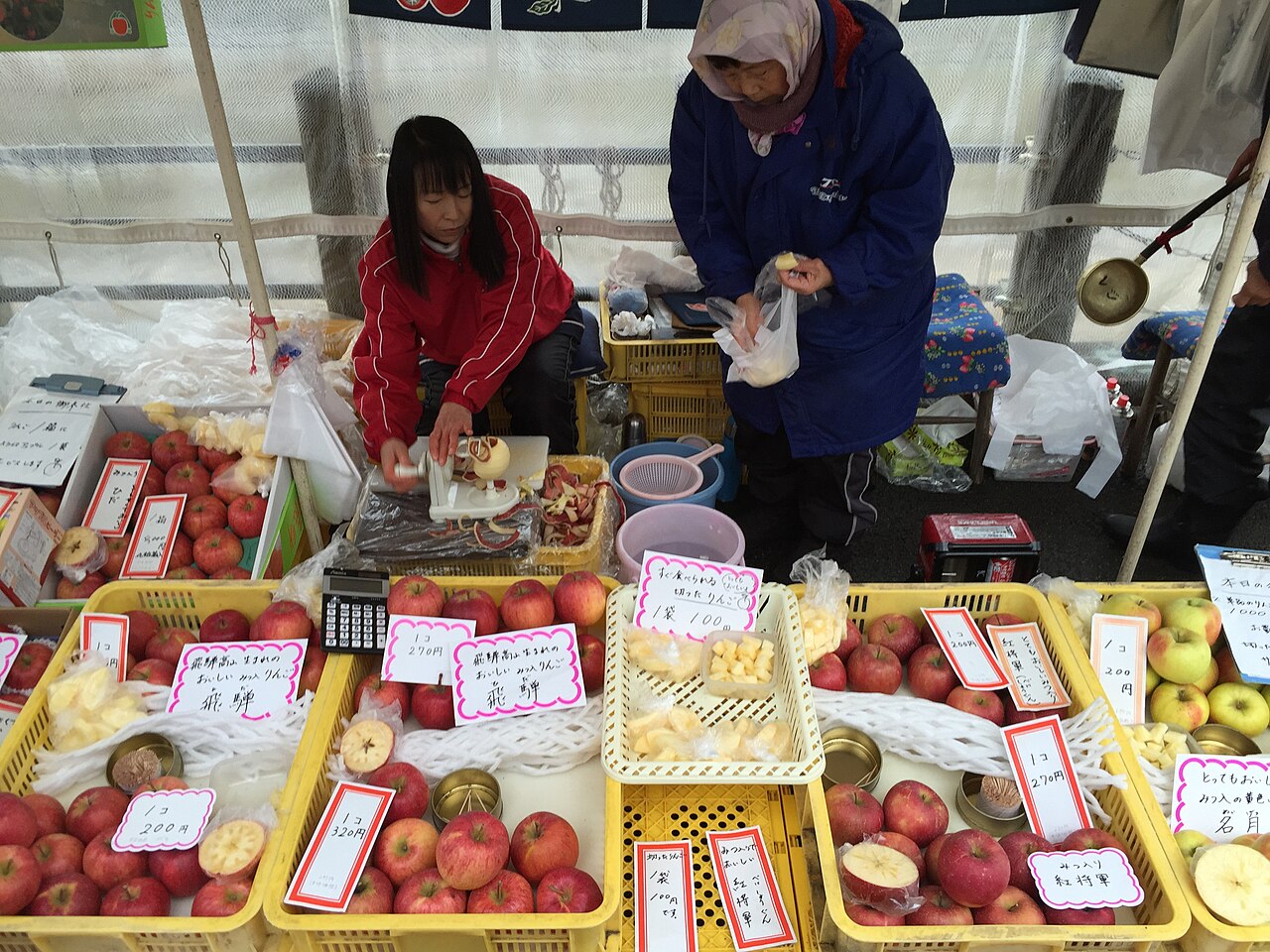
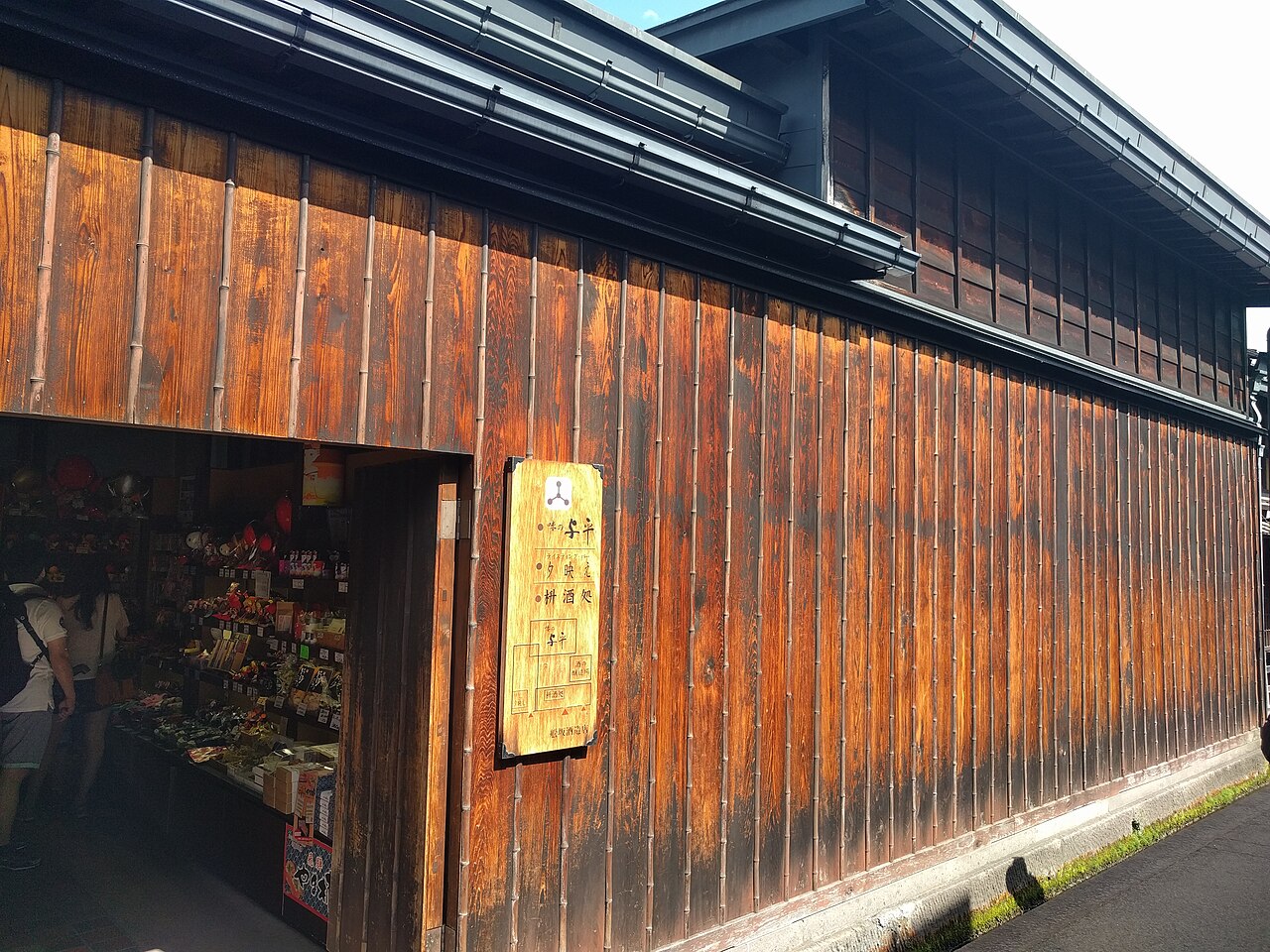
Start early at the morning market beside the Miyagawa river, where stalls sell pickles, fresh fruit, flowers and hot snacks, and eat breakfast standing up the way locals do. Walk on into the Sanmachi Suji lanes while the shops are still opening, when the dark lattice fronts are quiet and the light is soft. Stop at the Takayama Jinya, the last surviving Edo-period regional government office, for an unhurried hour among its tatami halls and rice storehouse. Have lunch in the old town, then visit the Festival Floats Exhibition Hall beside Sakurayama Hachimangu Shrine to see the gilded floats that are the pride of the town. In the late afternoon, take a sake tasting at one of the old breweries marked by a green cedar ball, then finish with a Hida beef dinner. Book the restaurant ahead if you have a favourite, because the best grills fill up.
Day two: Shirakawa-go
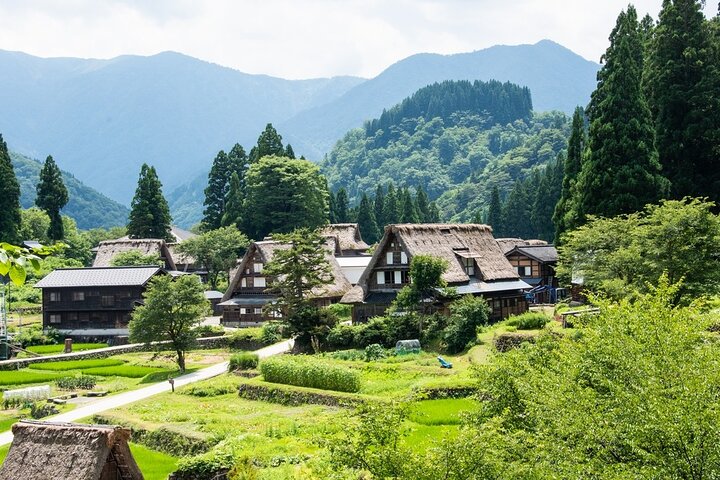
The thatched farmhouses of Shirakawa-go are the most famous excursion from Takayama, and the scheduled bus makes it easy without a car. Reserve your seat ahead, particularly at weekends and in snow season, and go on the earlier departure if you can, because the villages are calmer in the morning. On the ground, choose one thing to do properly: walk the lanes of Ogimachi, step inside a gassho house to see the lofts where silkworms were once raised, and climb to the viewpoint for the postcard scene over the roofs. If your tour includes Gokayama, its smaller hamlets are quieter and just as beautiful. Return to Takayama in the late afternoon, soak in your hotel bath and eat something simple, perhaps ramen or a skewer supper in the lanes. Wear warm layers and proper boots from late autumn, since the valley is colder and snowier than town.
Day three: the folk village, the temple hillside and a soak
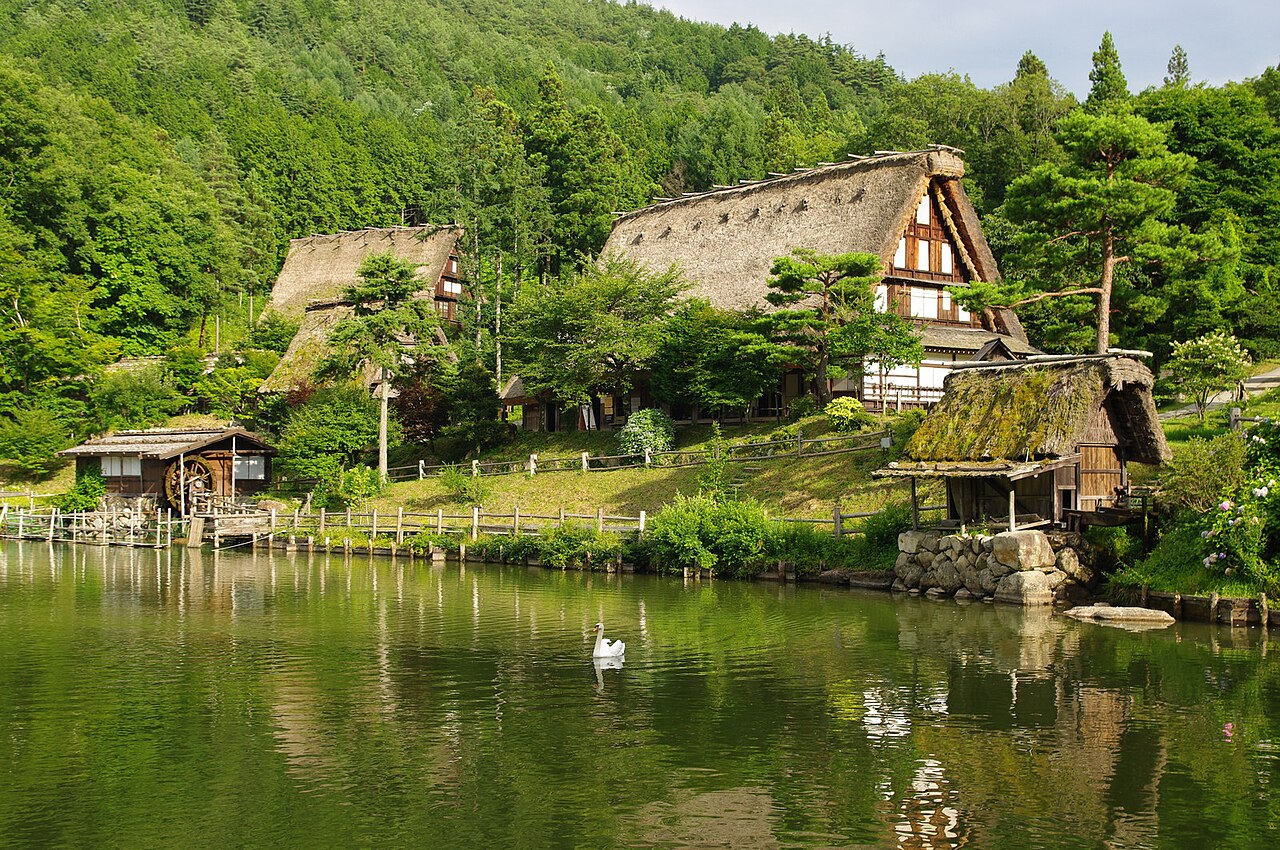
Spend the morning at Hida Folk Village, an open-air museum of relocated thatched farmhouses where you can sit by an open irori hearth, climb into lofts and see how mountain families lived. It is a short ride out of town and pairs nicely with what you saw in Shirakawa-go, since here you can wander at your own pace without a tour group. Back in town, walk the Higashiyama Walking Course, a four-kilometre path that runs past old temples and shrines on the eastern hillside and ends at Shiroyama Park, the wooded site of the old castle. It is the quietest walk in town and a good counterpoint to the lanes. Finish with a long hot-spring soak, either at your hotel or on a trip to the hot-spring villages of Okuhida if you have the energy and the buses suit.
If you have a car or a rail pass
Drivers can combine day two and three differently, using the extra freedom to reach the Shinhotaka Ropeway or Kamikochi when it is open for the season. Rail travellers can swap the folk village for a short train ride to Hida-Furukawa, a small canal town of white storehouses and koi carp, or to Gero Onsen, one of Japan's famous hot-spring towns. Both are easy half-day options that keep you away from the crowds.
Where to stay
For the walkable old town, choose a hotel inside or beside the Sanmachi quarter, since you can walk the lanes before and after the day-trippers. For logistics and early buses, a hotel near the station makes the Shirakawa-go day simple. If you want one night of proper Japanese hospitality, spend it in a ryokan with a kaiseki dinner and an onsen bath, and make it the night after the long mountain day.
Practical notes
Takayama closes early, so plan dinner before the shutters come down, and carry some cash for markets and small stalls. Opening hours at the Jinya and the festival hall shorten in winter, and the Jinya closes around the New Year, so check ahead if you travel then. From December the mornings are slow to start, markets open later and paths can be icy, so budget extra time. In every season, a long evening bath and an early night make the next day easier.