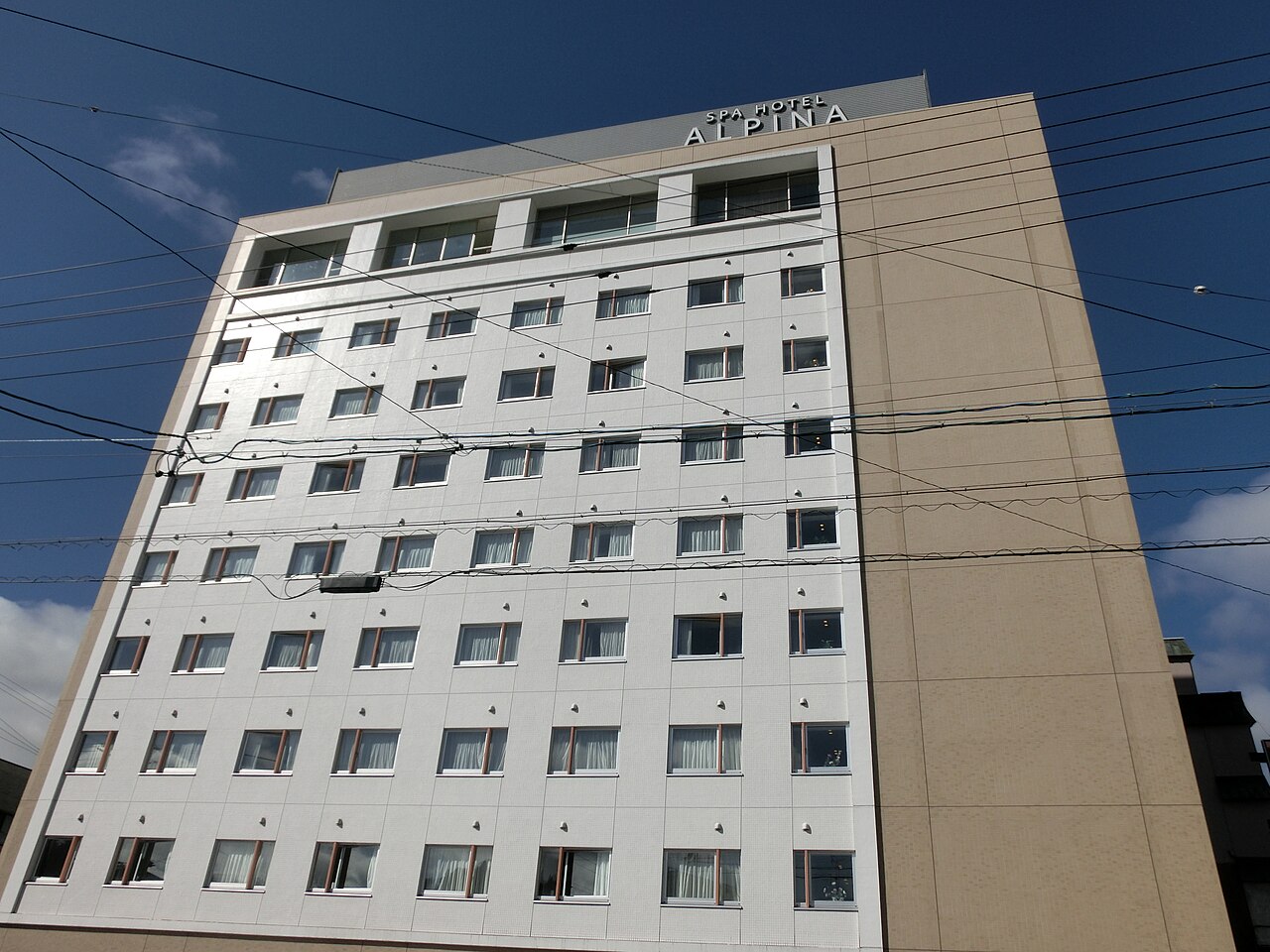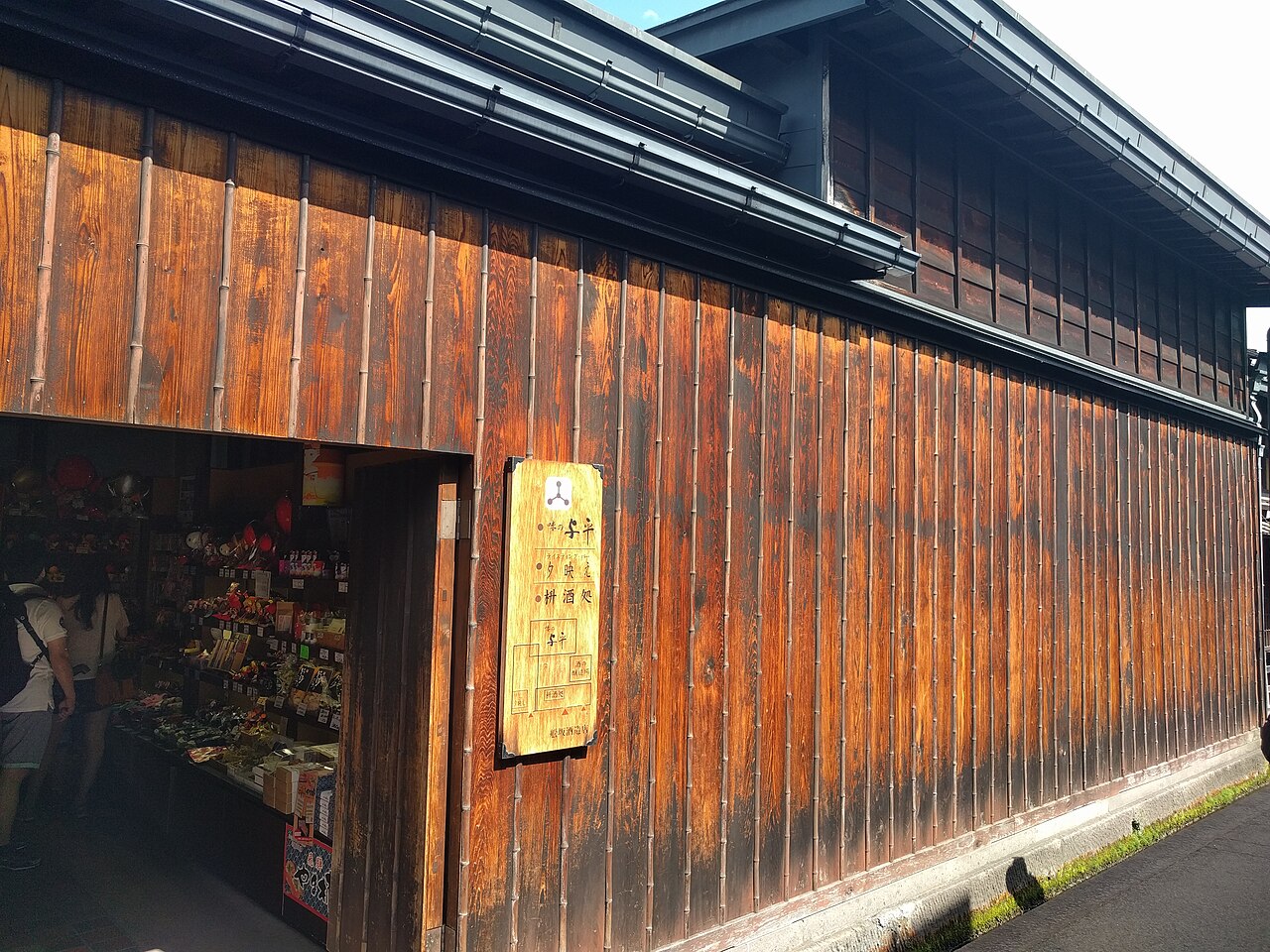
Takayama is a small mountain city in Japan's Hida region, famous for its Edo-era merchant lanes, its festival floats, its sake and its beef, and for being the base for Shirakawa-go and the Northern Alps. It is compact enough to walk, but the best things sit in two directions: inside the old town, and out in the mountains. This guide sorts what to book, how long to stay and how to move around, with plain notes for travelling in the cold months.
How many days
Two nights is the sweet spot. One full day covers the old town, the markets, the Jinya, the festival floats and a sake tasting. A second day goes to an excursion, either the thatched villages of Shirakawa-go or the mountains and hot springs of Okuhida. If you only have one night, do the old town in the evening and morning and skip the excursions. A third night suits onsen lovers who want a slow soak.
What to book ahead
Very little needs booking in advance, but a few things are worth securing. Reserve your hotel early, especially for weekends, the autumn and spring festival seasons and the winter holidays. Book the bus or tour to Shirakawa-go ahead, because seats on scheduled buses fill, particularly in snow season. If you want a Hida beef dinner at a popular restaurant, reserve a table, or take a guided tasting that removes the guesswork. A Hida Folk Village ticket or a guided day trip can also be bought ahead if your dates are fixed, though the village itself is open daily.
Getting there and around
Takayama is reached by the scenic Hida limited express train from Nagoya in a little over two hours, or by highway bus from several cities, including routes that continue to Shirakawa-go and Kanazawa. In town, the old quarter is a ten to fifteen minute walk from the station, and most hotels in this guide are within a few minutes of it. Bicycles are a good option in dry weather, and buses reach the folk village and the mountain valleys. Taxis are available but not plentiful, so arrange them ahead for early departures.
How the headline sights fit
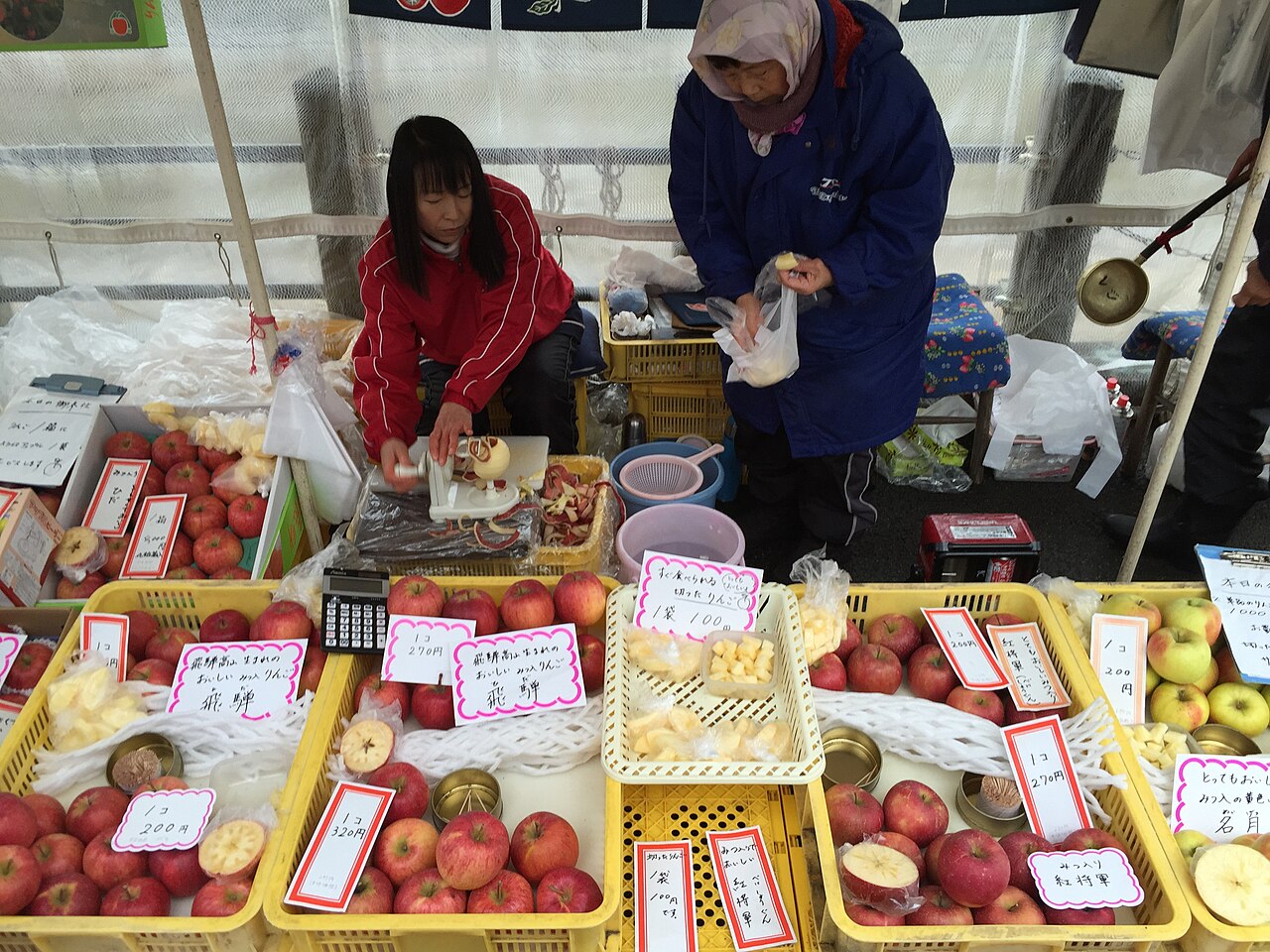
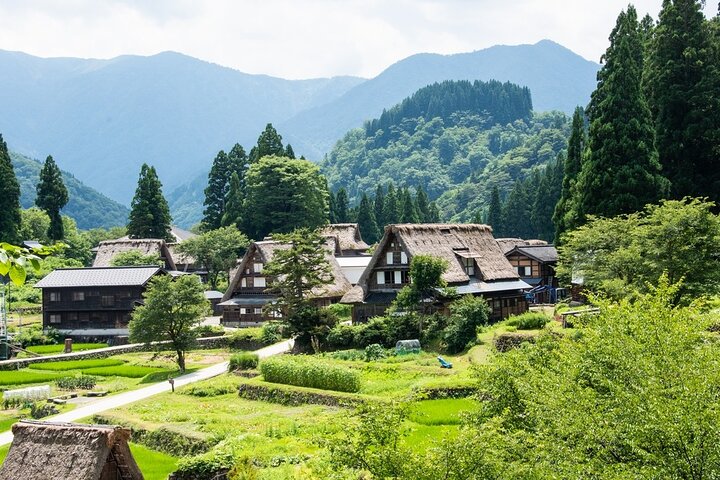
Start at the morning markets by the Miyagawa river, then walk the Sanmachi Suji lanes, with a stop at a sake brewery for a tasting. The Takayama Jinya, with its tatami halls, is a calm hour, and the Festival Floats Exhibition Hall, beside Sakurayama Hachimangu Shrine, is the place to see the gilded floats at any time of year. Hida Folk Village is a short ride out of town and is worth a morning. For the mountains, choose between Shirakawa-go and its World Heritage farmhouses, or the Shinhotaka Ropeway and the onsen villages of Okuhida.
Seasons and winter notes
Late autumn brings fading colour and cold nights, and winter brings snow, shorter opening hours and, from December to March, later starts at the morning markets. The Jinya and the festival hall close earlier in winter, and the Jinya shuts over the year-end holidays. Mountain roads can be affected by snow, so keep your schedule flexible and wear shoes with grip. Kamikochi closes for the winter in mid-November, so avoid tours that depend on it. In return you get snow on the thatched roofs, steaming outdoor baths and quiet lanes.
Food and drink
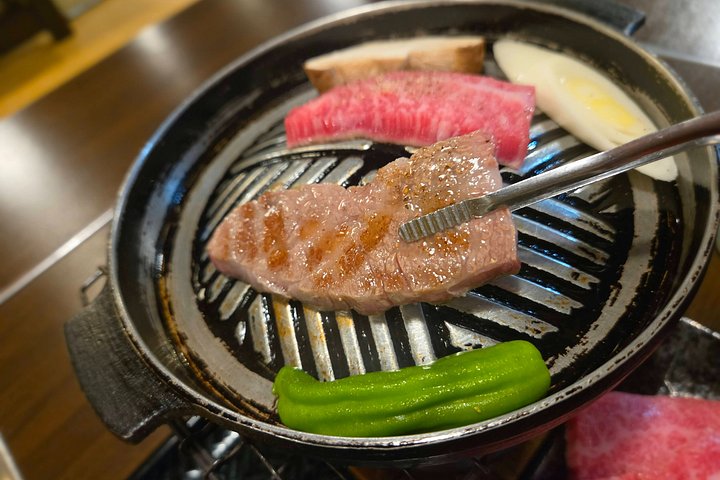
Eat Hida beef, in a grill, as sushi or on a skewer, try local ramen, mountain vegetables and miso grilled on a magnolia leaf, and sample sake at the old town breweries. Many shops and restaurants close early, so plan your evening meal before the shutters come down.
Practical tips
Carry some cash, since small stalls and tasting counters often prefer it, and keep your luggage light for narrow lanes. Learn the basics of onsen etiquette before you soak, and check opening hours for each sight, since closures cluster around the New Year. Start early for the markets and finish with a long bath.