Takayama is one of the best food towns in the Japanese Alps, partly because the mountains give it such particular ingredients and partly because a small town of craftspeople has long cared about doing simple things well. You can eat well at every price, from a hot rice dumpling at the morning market to a kaiseki dinner in a ryokan. This guide sorts the essentials, with notes on what to book and how winter changes the picture.
Start with the markets
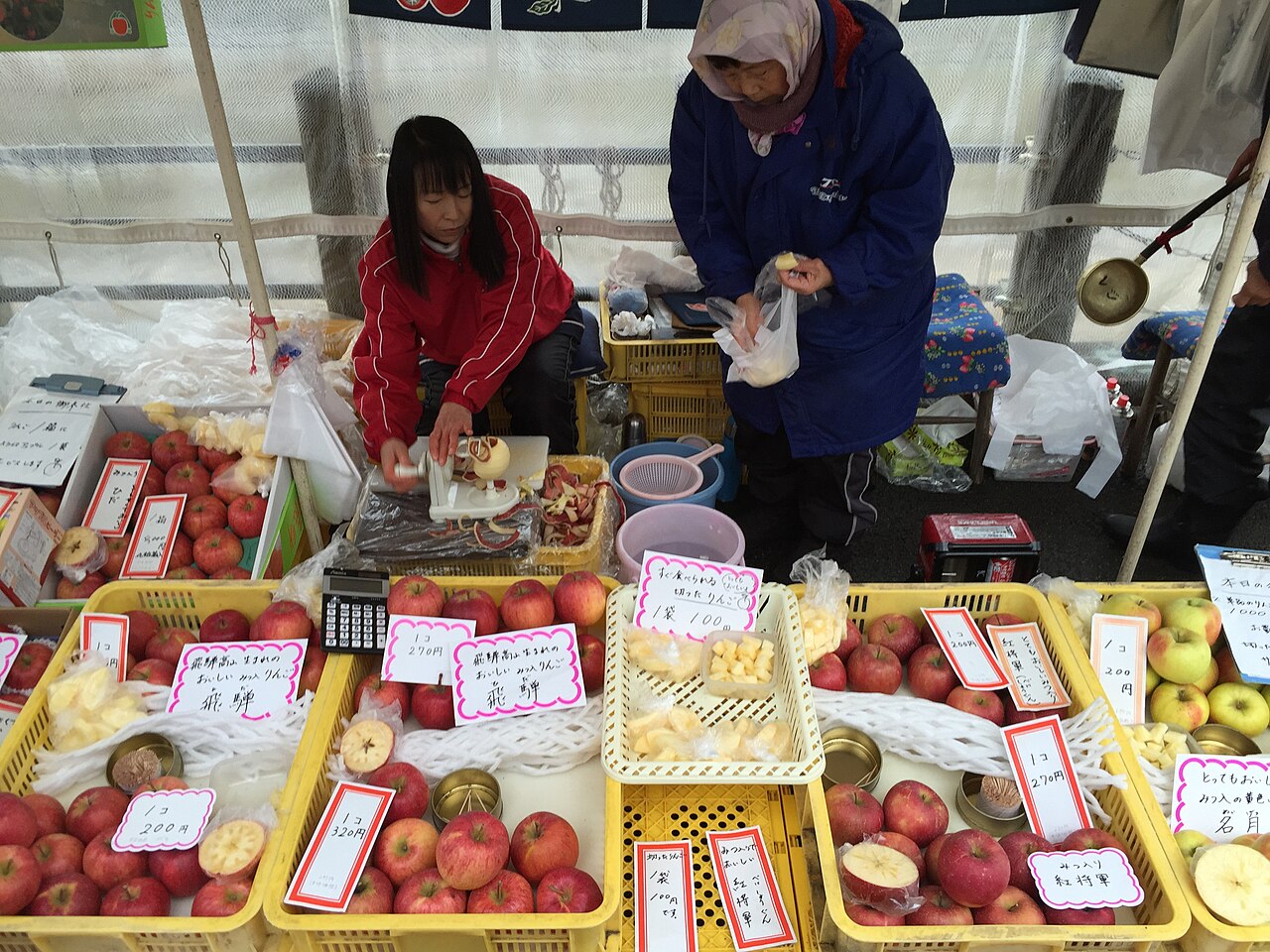
The two morning markets, one along the Miyagawa river and one in front of the Jinya, are the easiest way into local food. Stalls sell pickled vegetables, dried fruit, miso, apples and apple juice, and hot snacks such as grilled rice dumplings brushed with soy glaze and skewers of local beef. Sellers often offer a taste before you buy, and the prices are modest. Arrive soon after opening, carry small cash and eat as you walk. Markets start about an hour later in winter, and the stalls are fewer in the coldest months.
Hida beef
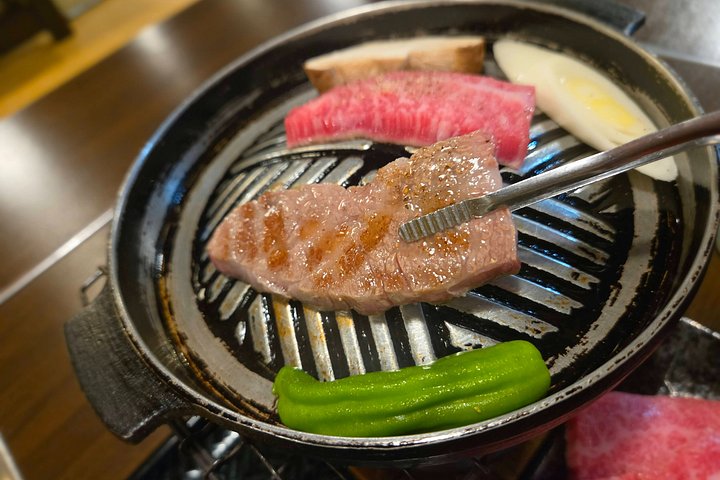
The famous speciality is Hida beef, a marbled wagyu raised in the surrounding mountains. It is served in many forms: grilled over charcoal at a yakiniku restaurant, simmered in a sukiyaki or shabu-shabu pot, laid over rice, pressed as nigiri sushi or grilled on a skewer in the old town lanes. A skewer or a piece of nigiri is a cheap way to taste it, while a sit-down grill gives you the full experience. The better restaurants fill up at dinner, so reserve ahead, particularly at weekends and in peak seasons. If you would rather not choose, a guided tasting takes away the guesswork and explains the grades and cuts.
Local dishes beyond beef
Takayama ramen, often called chuka soba, has a light, clear soy broth and thin curly noodles, and it is a satisfying lunch on a cold day. Mountain cooking adds regional touches: hoba miso, a sweet-savoury miso grilled on a dried magnolia leaf with mushrooms and leeks, wild mountain vegetables called sansai, soba noodles and pickles that appear at almost every meal. Sweet snacks include mitarashi dango, grilled rice balls in a sweet soy glaze, and apple treats in autumn. Vegetarians can find mountain-vegetable dishes and temple-style cooking, though stock is often fish based, so ask when ordering.
Sake in the old town
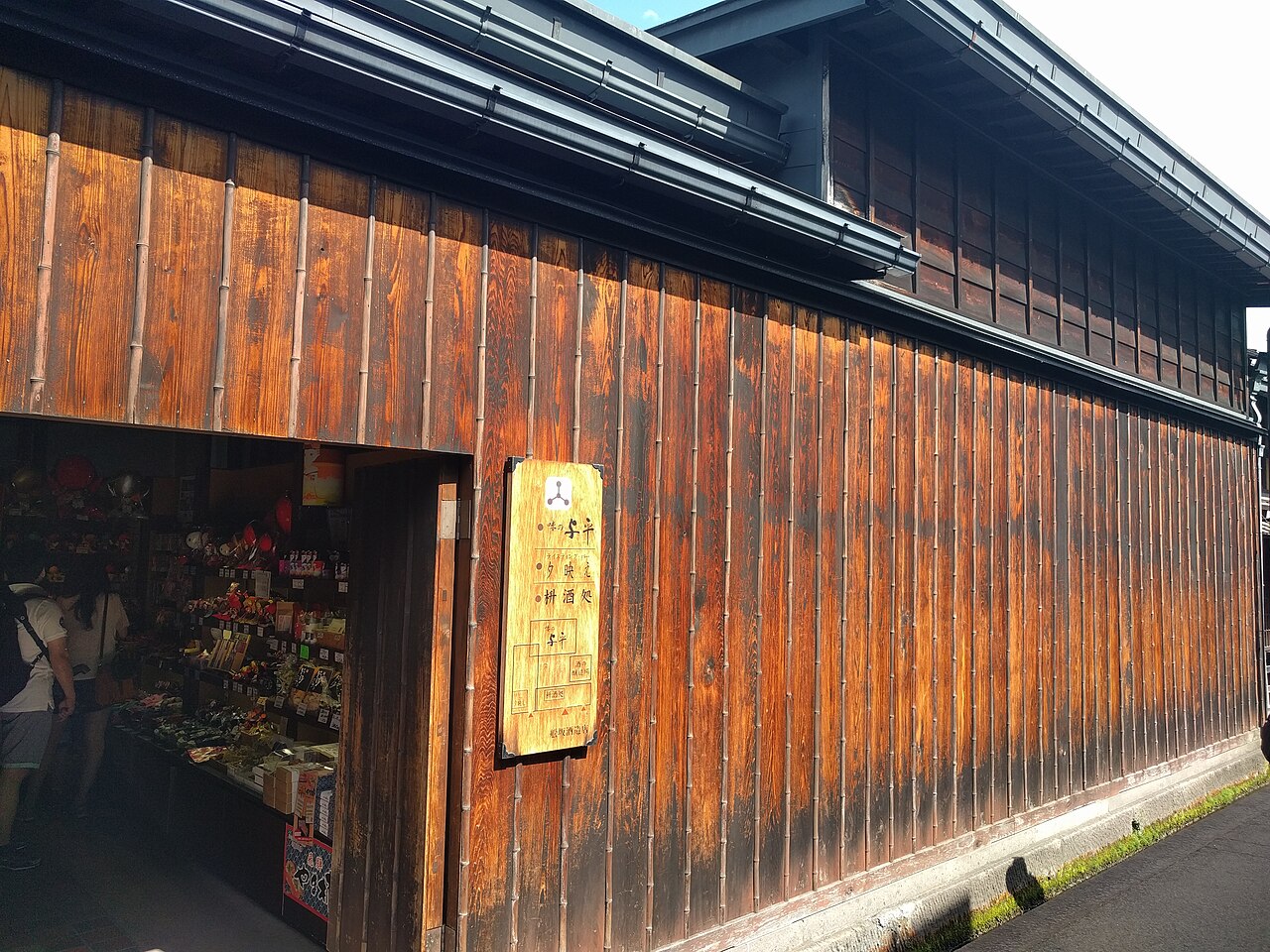
Takayama's cold, soft mountain water and local rice made the town a sake-brewing centre, and the old quarter still has several breweries, each marked by a green cedar ball hanging from the eaves. A fresh ball signals that a new batch is ready, and it browns as the season passes. Many breweries offer tastings for a small fee, often with a souvenir cup, and several run short guided tours that explain the brewing. Visiting between late autumn and early spring means you reach the breweries at their busiest. Remember that sake is often served in small cups, and that the strength can be higher than you expect, so pace yourself and pair it with food.
Tea and sweets
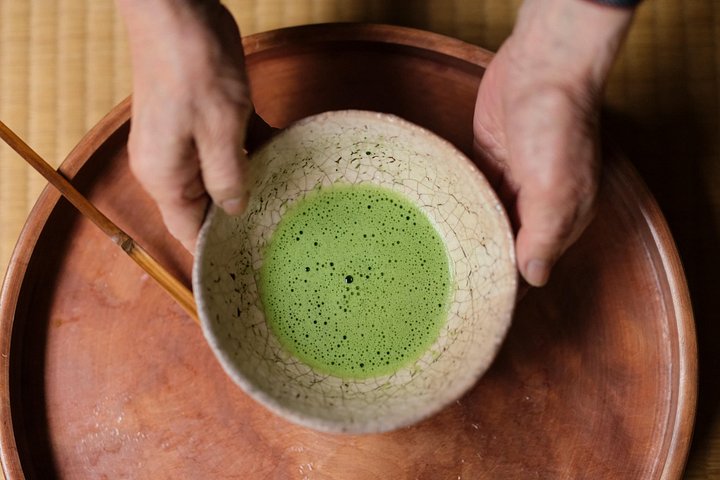
A matcha session in a historic teahouse is a gentler way to taste the town, with a traditional sweet and a short introduction to the etiquette. Cafes in the old lanes serve coffee, tea and local desserts, and many close early in the afternoon, so go before four.
Evening: izakaya and ryokan dinners
After dark the old town turns quiet, but a handful of izakaya stay open for small plates, beer and sake. A guided bar-hopping tour is an easy way to find them. For something special, a ryokan dinner is a multi-course kaiseki built around Hida beef and mountain ingredients, served in your room or a private dining space. It is usually included in the rate, so book it when you reserve the room and arrive in the afternoon so you do not miss the meal.
Practical tips
Many restaurants shut by early evening, so decide on dinner before the afternoon ends. Carry cash, since small stalls and tasting counters often prefer it. Tell restaurants about allergies in advance, and do not expect English menus everywhere, though many have picture menus. Wear something warm in winter, when the markets and cedar-lined streets are cold, and plan a hot bath after your last meal.