Tel Aviv has a Mediterranean climate with long, hot summers, mild winters and two comfortable shoulder seasons. Almost any month works for a city break, but the best time depends on whether you want swimming weather, easy sightseeing or lower prices. Here is how the year breaks down.
Spring (March to May): the best all-round window
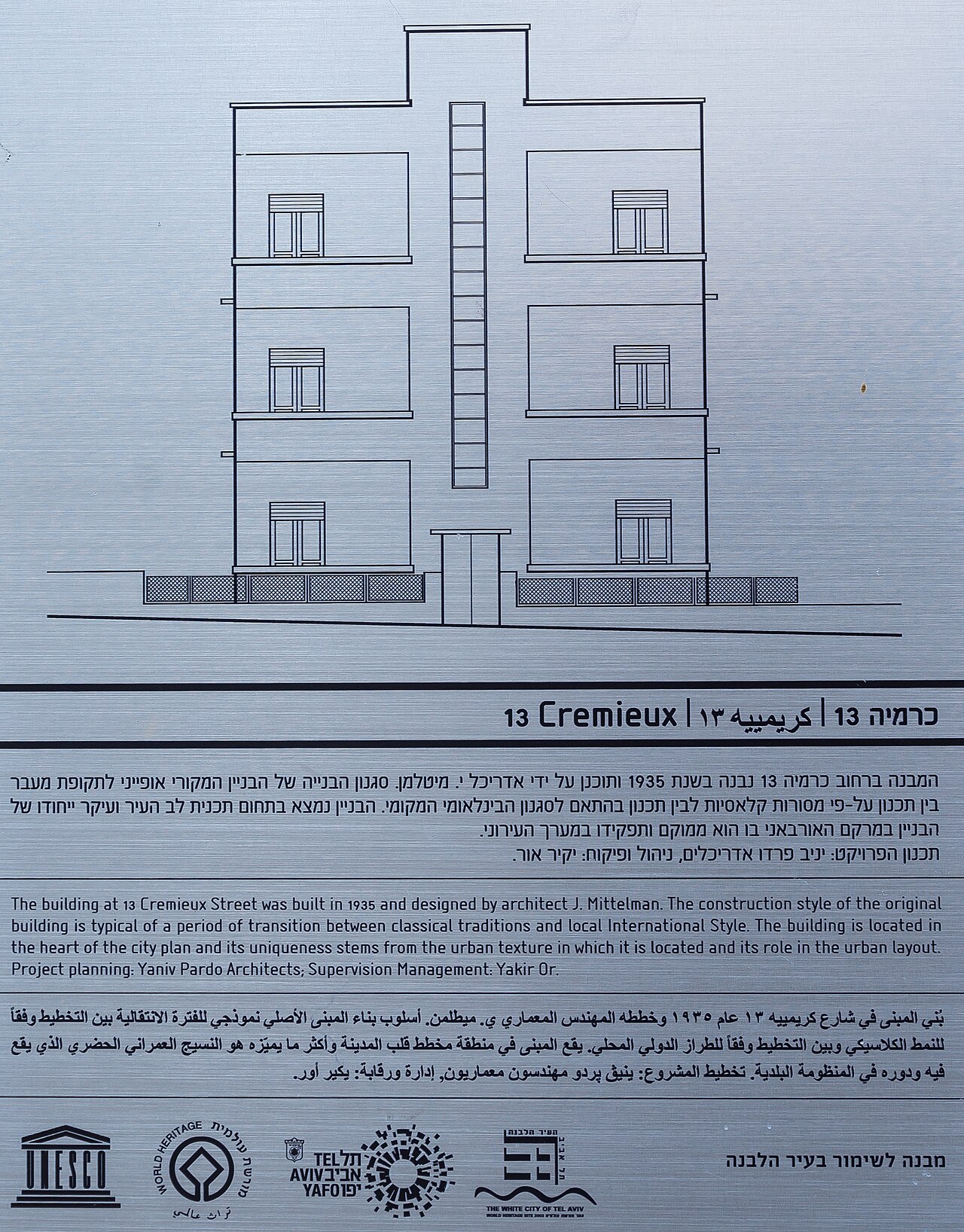
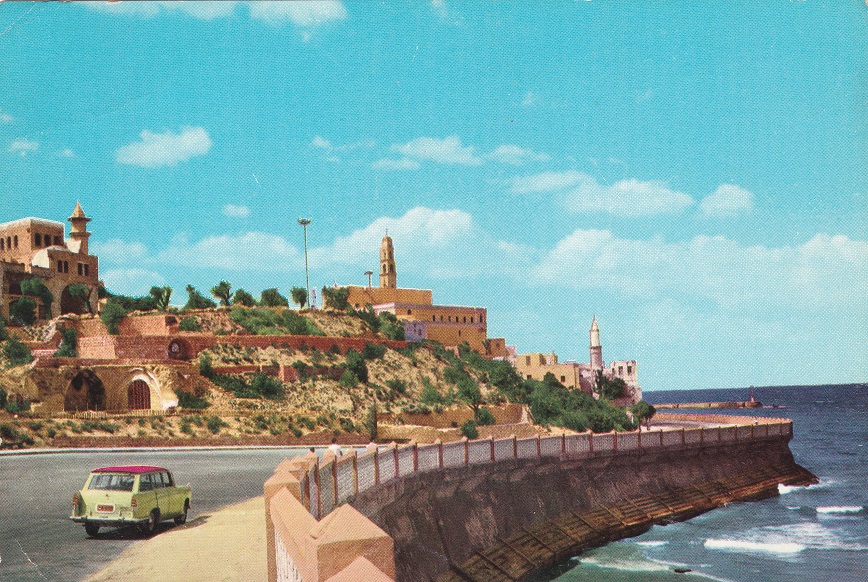
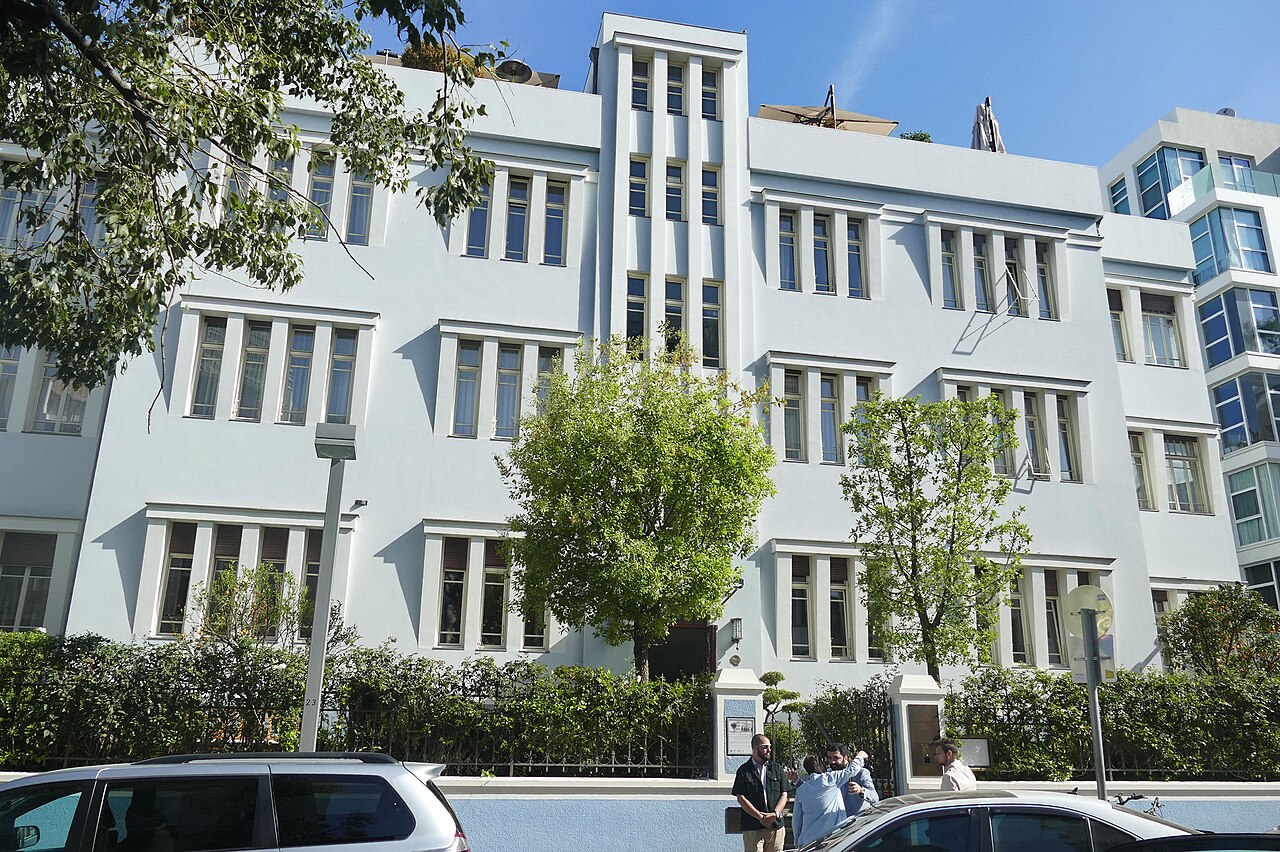
Temperatures are warm without being heavy, the sea is getting pleasant and the city looks its best, with long days for walking. This is the ideal season for the White City, Neve Tzedek and Old Jaffa on foot, and for cycling the seafront. Hotels and tours are in demand, so book early, particularly around the spring holidays, when rates rise and popular tours fill up.
Summer (June to September): beach season, with heat
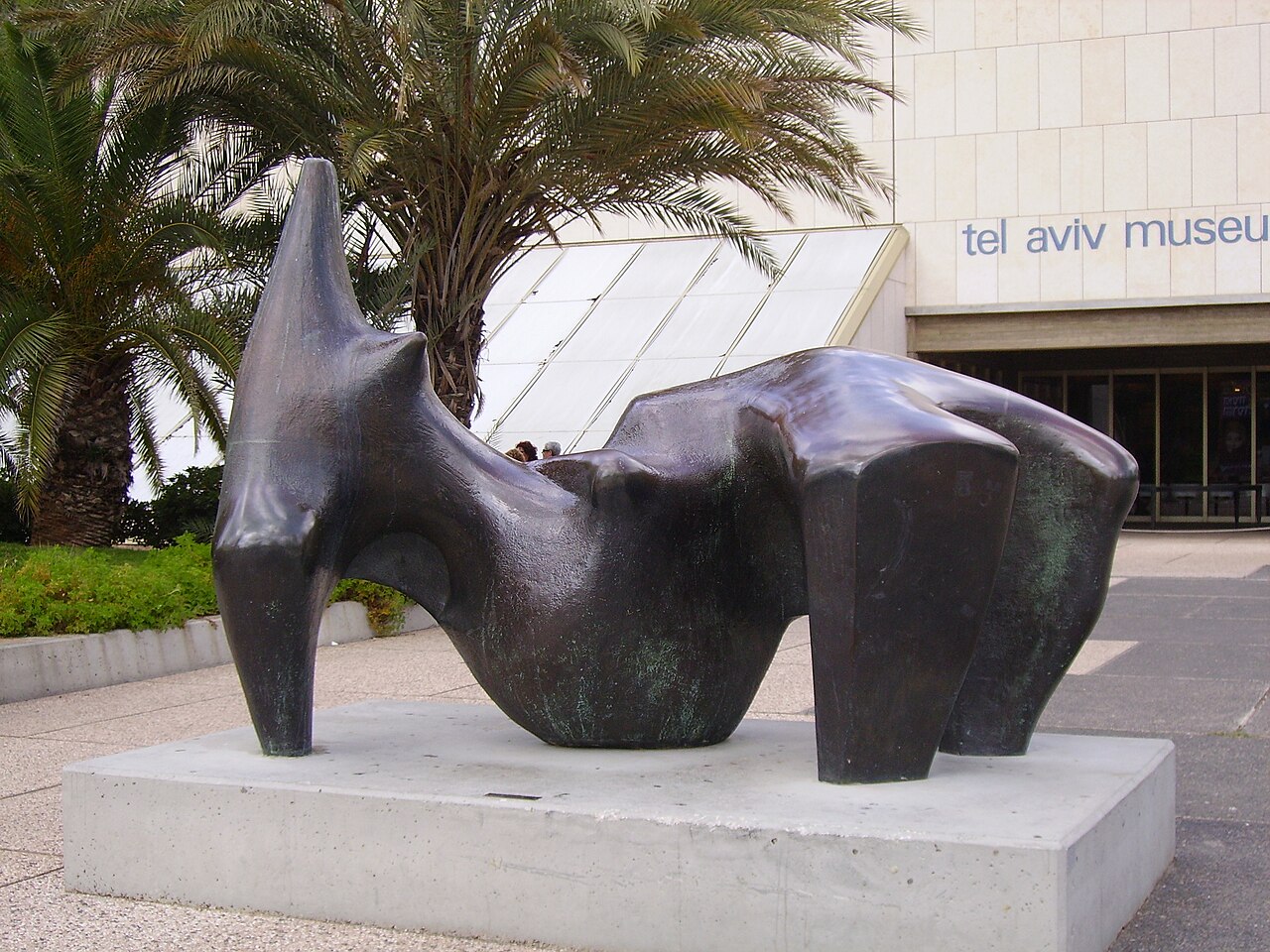
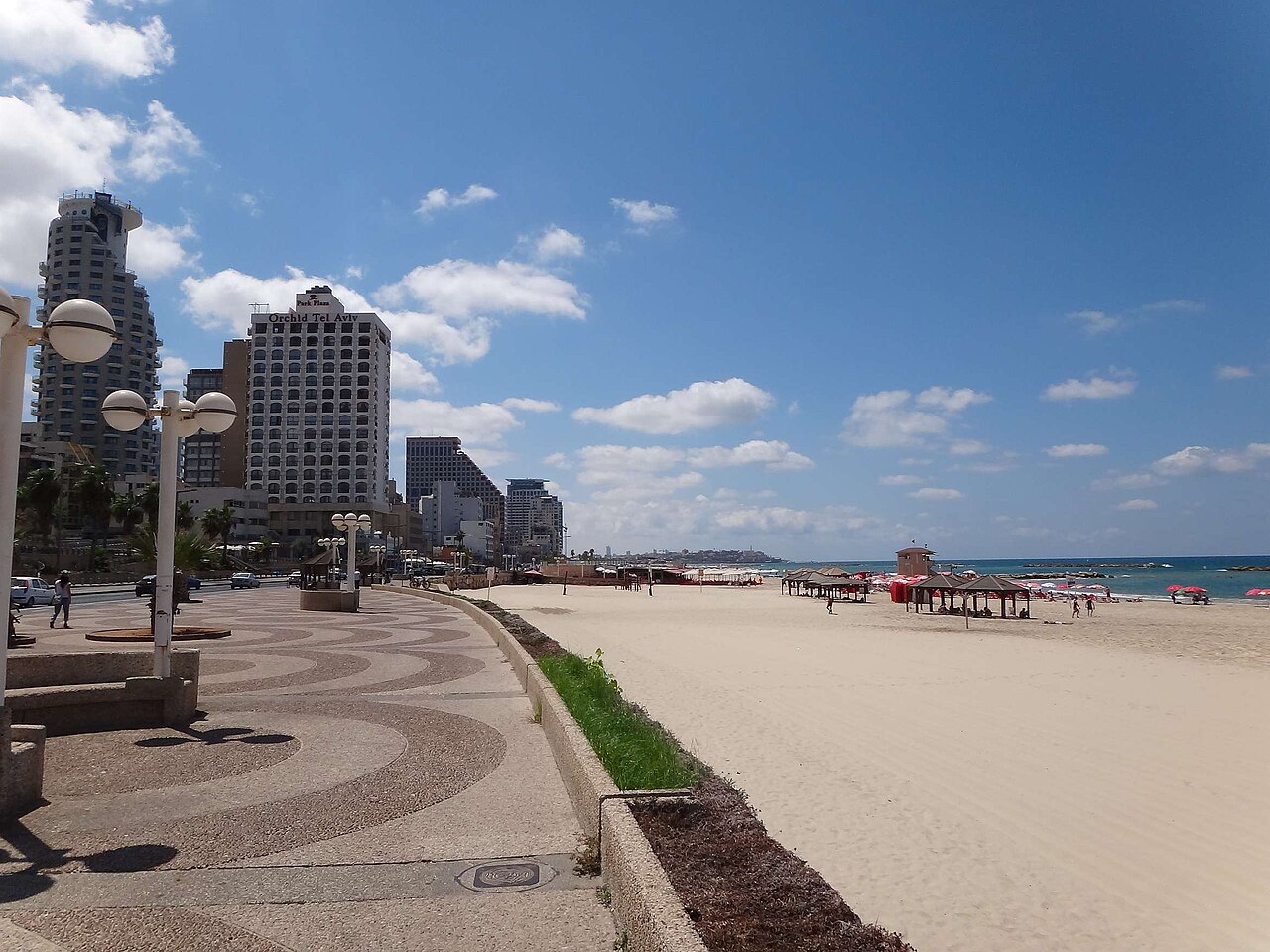
Expect hot, humid days and warm sea water, so this is the time for the beaches and the promenade. Plan sightseeing for early morning or late afternoon, use the middle of the day for the sand, a museum or an air-conditioned break, and carry water and sun protection. The evenings are lively, with the seafront and cafes full late into the night. Indoor options such as the Tel Aviv Museum of Art, the ANU Museum and the food hall at Sarona are good for the hottest hours. If you are traveling with children or are sensitive to heat, this is the season to take the most care.
Autumn (October to November): warm days and fewer crowds
The sea is still warm enough for swimming, the heat eases and the light turns golden, which makes this a favorite season for many regular visitors. Autumn also has a cluster of Jewish holidays, so check the calendar. Around the major holidays, many businesses close, public transport stops and hotels fill up, while the beaches stay busy.
Winter (December to February): mild, with rain
Winters are cool and often damp, with rain arriving in spells rather than all day. Sunny days still happen, and light layers and a waterproof jacket are enough. This is the quiet season for hotel rates and for crowds at the main sights, and it suits food-focused trips built around Carmel Market, cafes and museums. Swimming is for the very brave, and some seasonal hotel pools are closed, so check before you book if a pool matters to you. The Nahum Gutman Museum and other indoor sights make wet days easy.
Holidays and the Sabbath
Whatever the season, the weekly rhythm matters more than the weather. From Friday afternoon to Saturday evening, public transport is limited, Carmel Market is typically closed and many shops and some museums close or shorten hours, while beaches and many restaurants stay lively. Jewish holidays follow a similar pattern, and some of them bring crowds, school-vacation demand and higher prices. Check a holiday calendar before you fix your dates, and decide whether you want the festive atmosphere or an easier, quieter trip.
Crowds and prices
The busiest and most expensive periods are the main holidays and the height of summer, when flights and hotels can cost noticeably more. Late winter and the weeks between holidays in spring and autumn tend to give the best balance of weather and value. Booking a flexible rate is wise whichever month you choose.
What to pack
Light, breathable clothing, a hat, sunglasses and sunscreen for most of the year, comfortable walking sandals or shoes for cobbled lanes in Jaffa, a light layer for air-conditioned interiors and evenings, and a rain jacket in winter. Carry a scarf or light layer to cover shoulders and knees if you plan to visit religious sites.
Shoulder-month details
The edges of each season are often the most rewarding. Early March and late November can bring a mix of sunny afternoons and showers, which keeps hotel rates gentler while the city stays fully open. Late May and early October offer warm sea water, long evenings and thinner crowds than midsummer. If your dates are flexible, aim for these weeks and check the holiday calendar first.
Our pick
For first-time visitors who want both walking and a swim, April to June and October are the sweet spot. For beach lovers, July to September delivers, and for budget travelers with a taste for cafes and museums, the cooler months are hard to beat. Before you travel, check current travel advisories from your own government and keep your bookings flexible. For a ready-made plan, see our three-day itinerary.