Food is one of the main reasons to visit Tel Aviv. The city sits at the meeting point of Middle Eastern, Mediterranean and North African cooking, shaped by communities who arrived from across the region and beyond, and the result is a dining scene that is casual, fresh and vegetable-forward. You do not need a long list of reservations to eat well here. You need an appetite, a willingness to share plates and a sense of how the day runs.
Start at the market
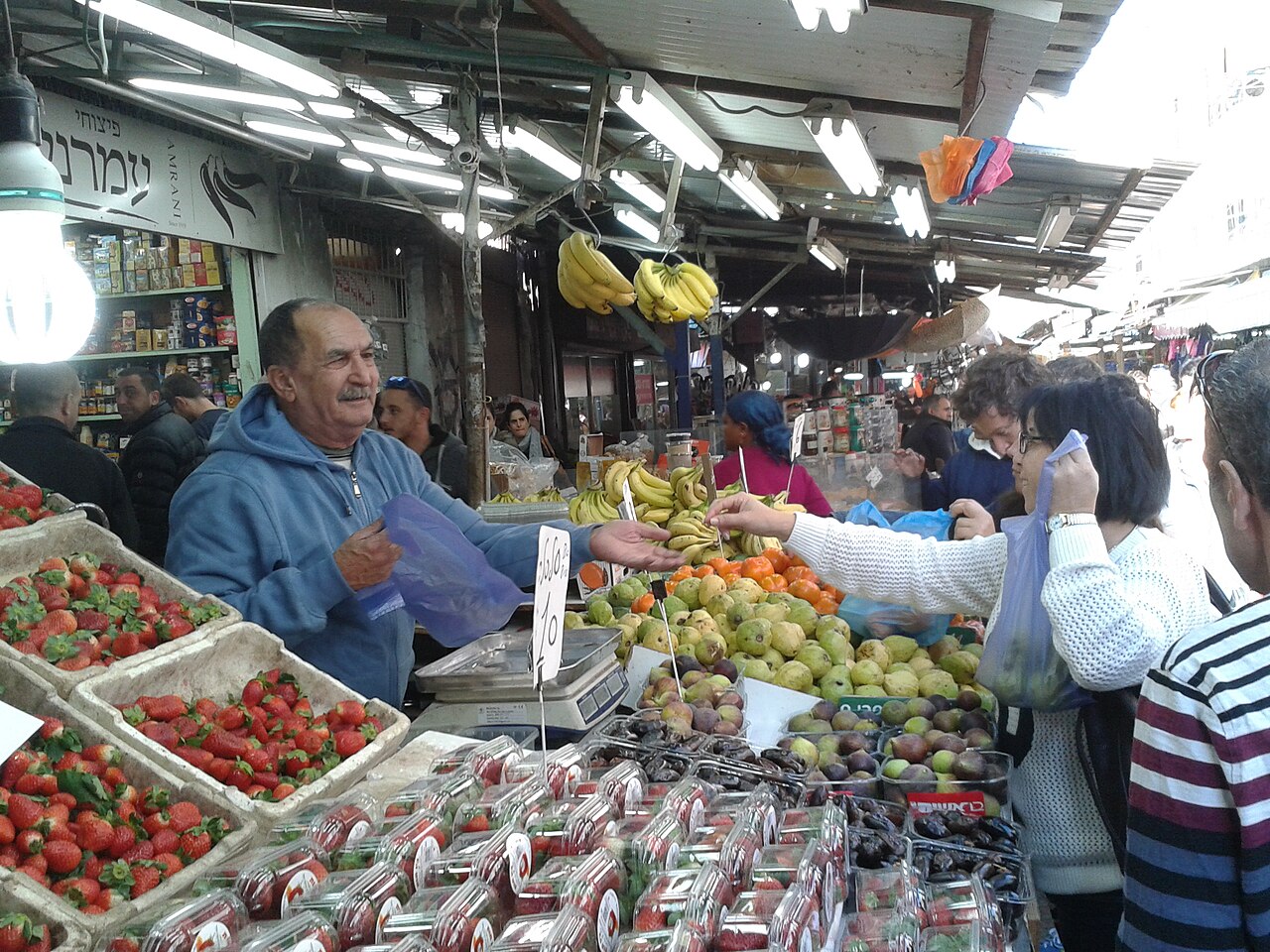
Carmel Market is the everyday heart of the food scene, a long street of stalls selling produce, olives, spices, nuts, halva, cheese, baked goods and prepared food. Arrive hungry, walk the full length once before you buy, and graze rather than sit down for a big meal. Side streets and the neighboring Nachalat Binyamin area add cafes and small counters. The market is typically closed on the Sabbath, and the best selection is on weekday mornings and around midday. If you would like a guide to explain what you are tasting, the Carmel Market tasting tour walks through the stalls in a small group.
Dishes to look for
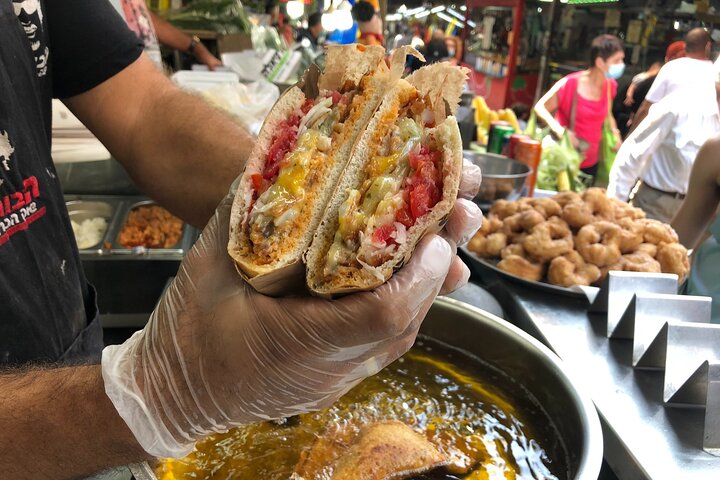
Hummus is served warm and creamy, usually with olive oil, chickpeas, tahini and fresh bread, and it is a proper meal here, not a side dish. Shakshuka, eggs poached in a spiced tomato and pepper sauce, is a classic breakfast served in the pan. Sabich is a pita stuffed with fried eggplant, egg, salad and sauces. Falafel, fresh salads, grilled fish, labneh, burekas and fresh juices are all easy to find. Ask what is good that day, since many places build their menus around what looked best at the market. Vegetarians and vegans are well served, and many menus mark dishes clearly.
Breakfast is an event
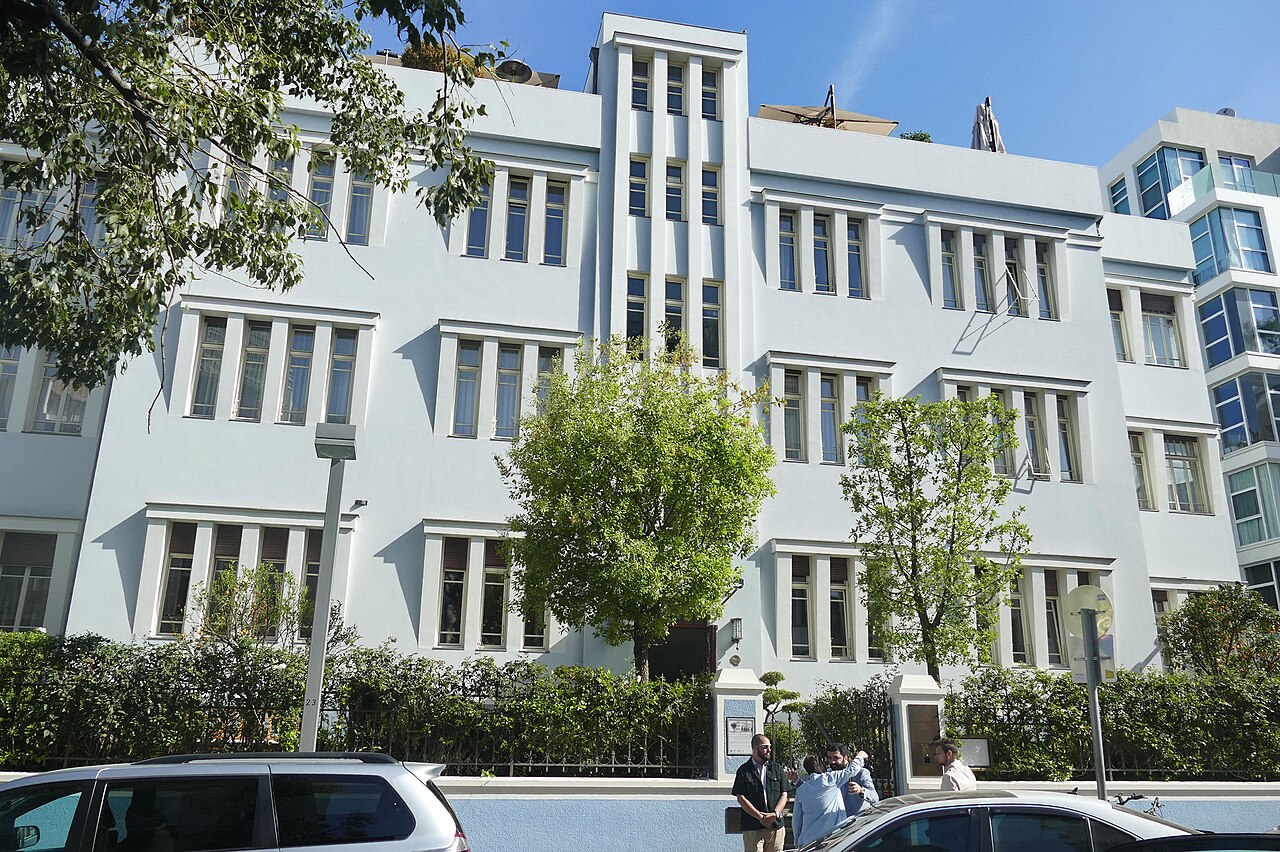
Israeli breakfast is usually a spread: salads, cheeses, eggs, bread, spreads and coffee, shared between everyone at the table. Cafes in the White City and around Rothschild Boulevard serve it late into the morning, and it often doubles as lunch. Sit outside if the weather allows, and pace yourself. Coffee culture is serious, so expect good espresso drinks nearly everywhere.
Old Jaffa and the seafront
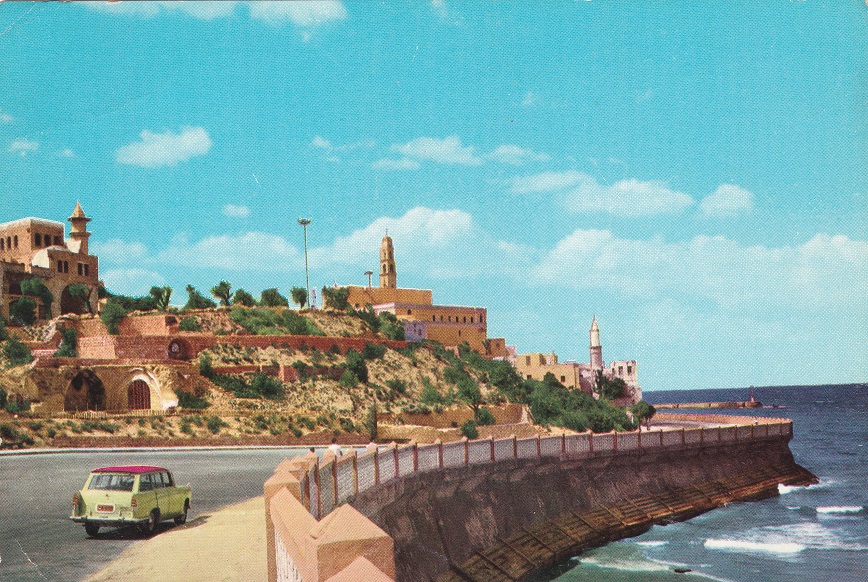
In Old Jaffa you will find hummus and grilled-meat restaurants alongside bakeries and modern dining rooms near the harbor, which is a strong choice for a relaxed dinner with a view. The promenade and beaches are lined with casual places for fish, salads and cold drinks. Waterfront tables fill up for sunset, so arrive a little early or book if you have your heart set on one.
Neve Tzedek and Sarona
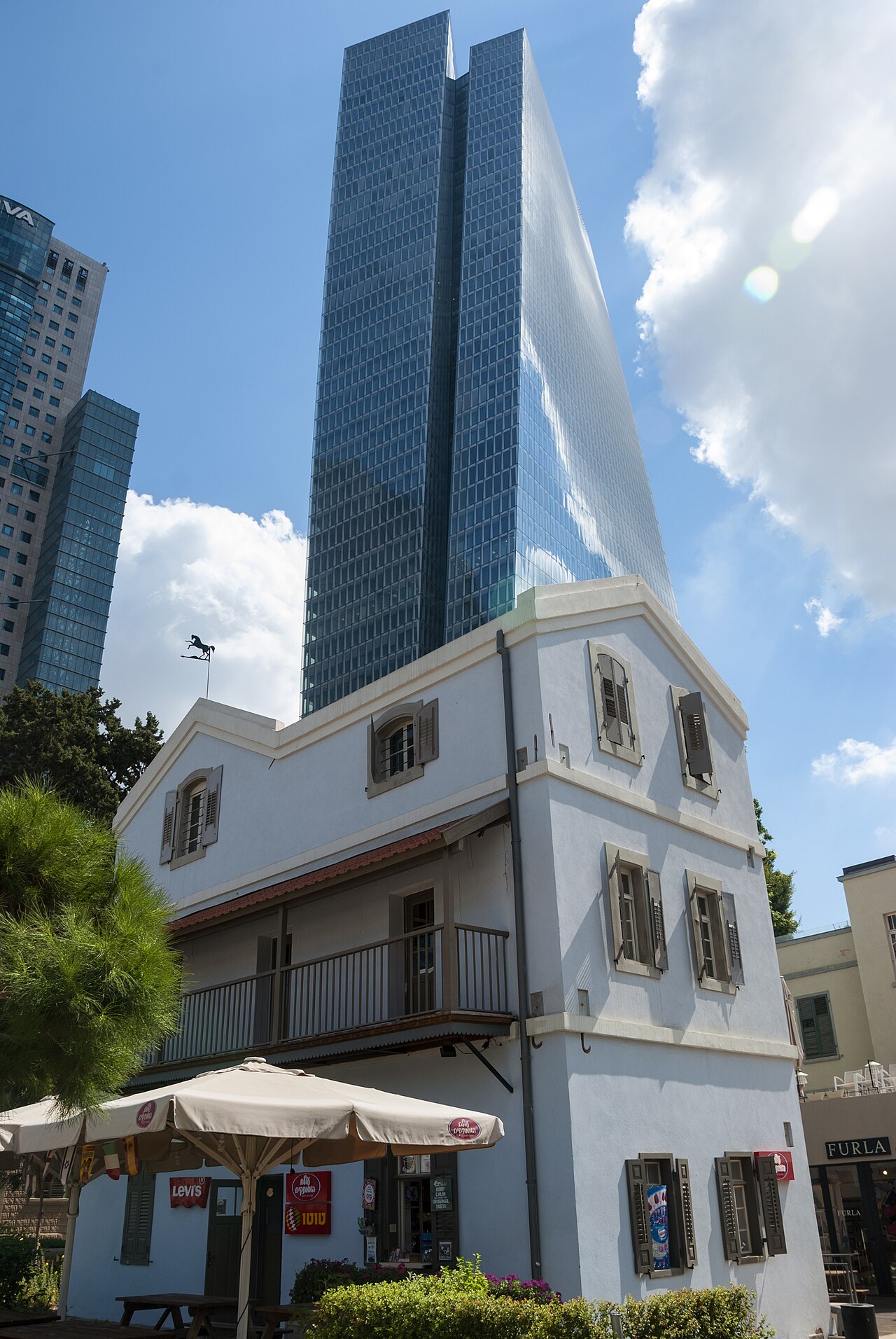
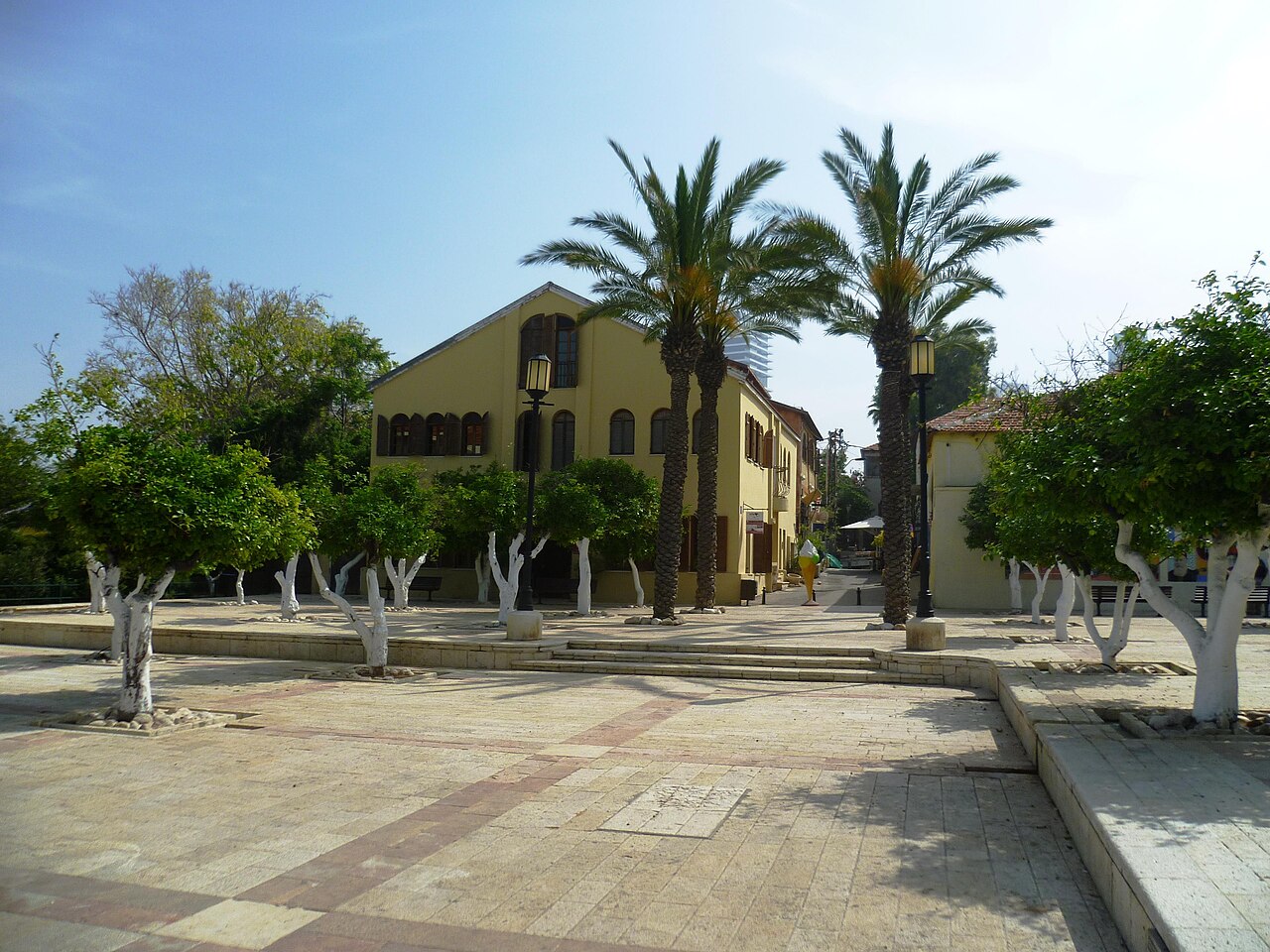
Neve Tzedek suits a leisurely lunch or an ice cream stop between galleries, with small cafes on shaded lanes. Sarona has an indoor food hall with a wide range of stalls under one roof, which is convenient for groups who cannot agree, along with sit-down restaurants and lawns for a picnic. It works well in summer heat and on days when the weather turns.
Drinks and evenings
Tel Aviv has a lively bar and wine scene, and Israeli wine, local beer and arak, an aniseed spirit usually served with water and ice, are all worth trying. Evenings start late. Restaurants are busiest on Thursday and Friday nights, so reserve if you have a favorite in mind. Bars around Rothschild Boulevard and Florentin keep going late, and Jaffa is quieter and more atmospheric.
The Sabbath and kosher rules
From Friday afternoon to Saturday evening, kitchens that observe the Sabbath close, while many other cafes, beachfront places and restaurants stay open and busy. Some restaurants are kosher, which affects what they serve, such as separating meat and dairy, so check if it matters to you. Jewish holidays can change opening hours too.
Practical tips
Prices are in Israeli shekels, and cards are accepted almost everywhere. A service charge is not always included, so check your bill, and a tip of around ten to fifteen percent is customary in sit-down restaurants. Tap water is safe to drink. Eating is a sociable, unhurried activity, so there is rarely any pressure to leave your table.
Where to stay for food
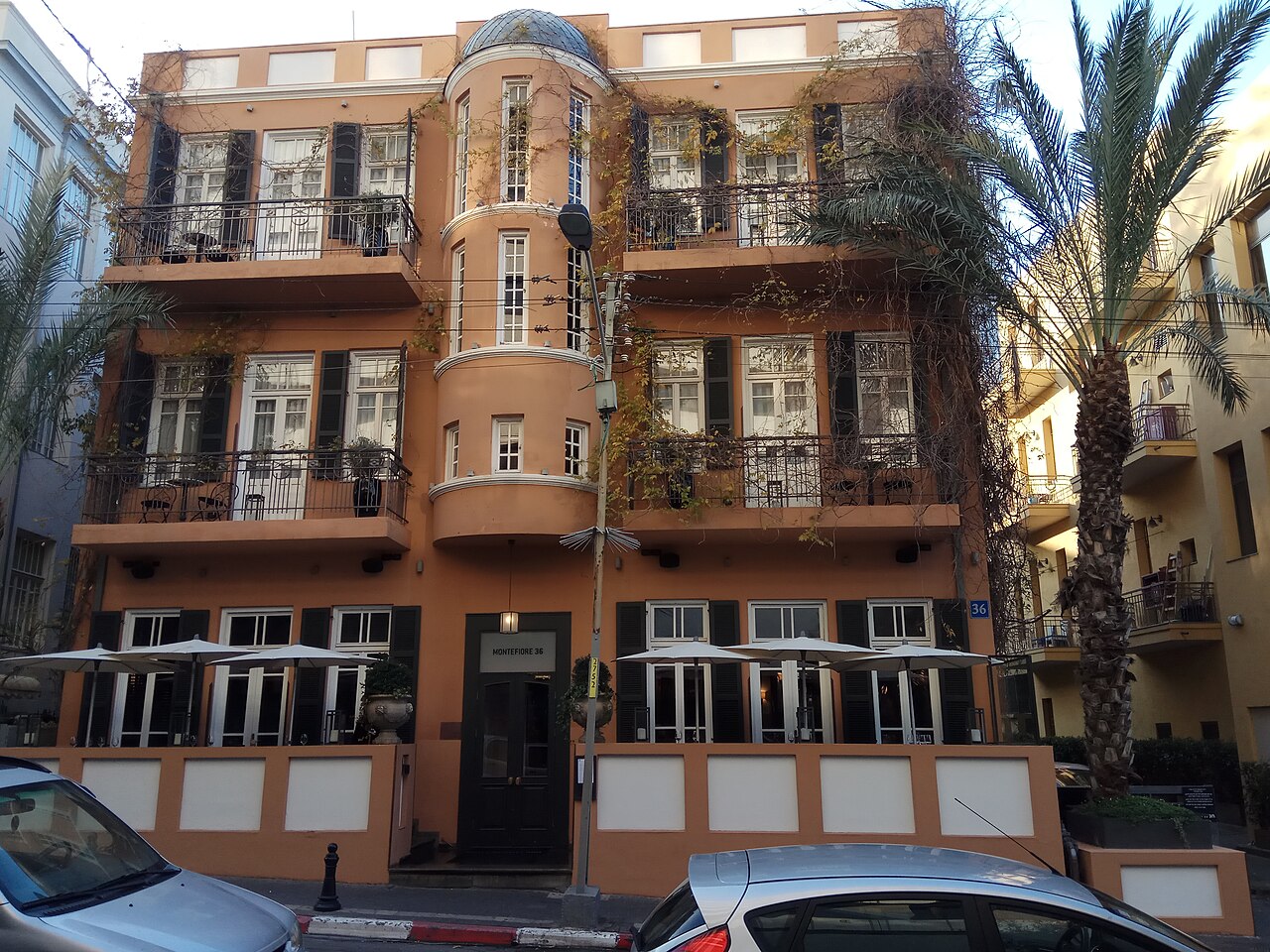
For markets and cafes on your doorstep, base yourself near Rothschild Boulevard at The Norman or Hotel Montefiore, both of which include breakfast according to their details, or at Abraham Hostel, which has a shared kitchen and a short walk to the market.