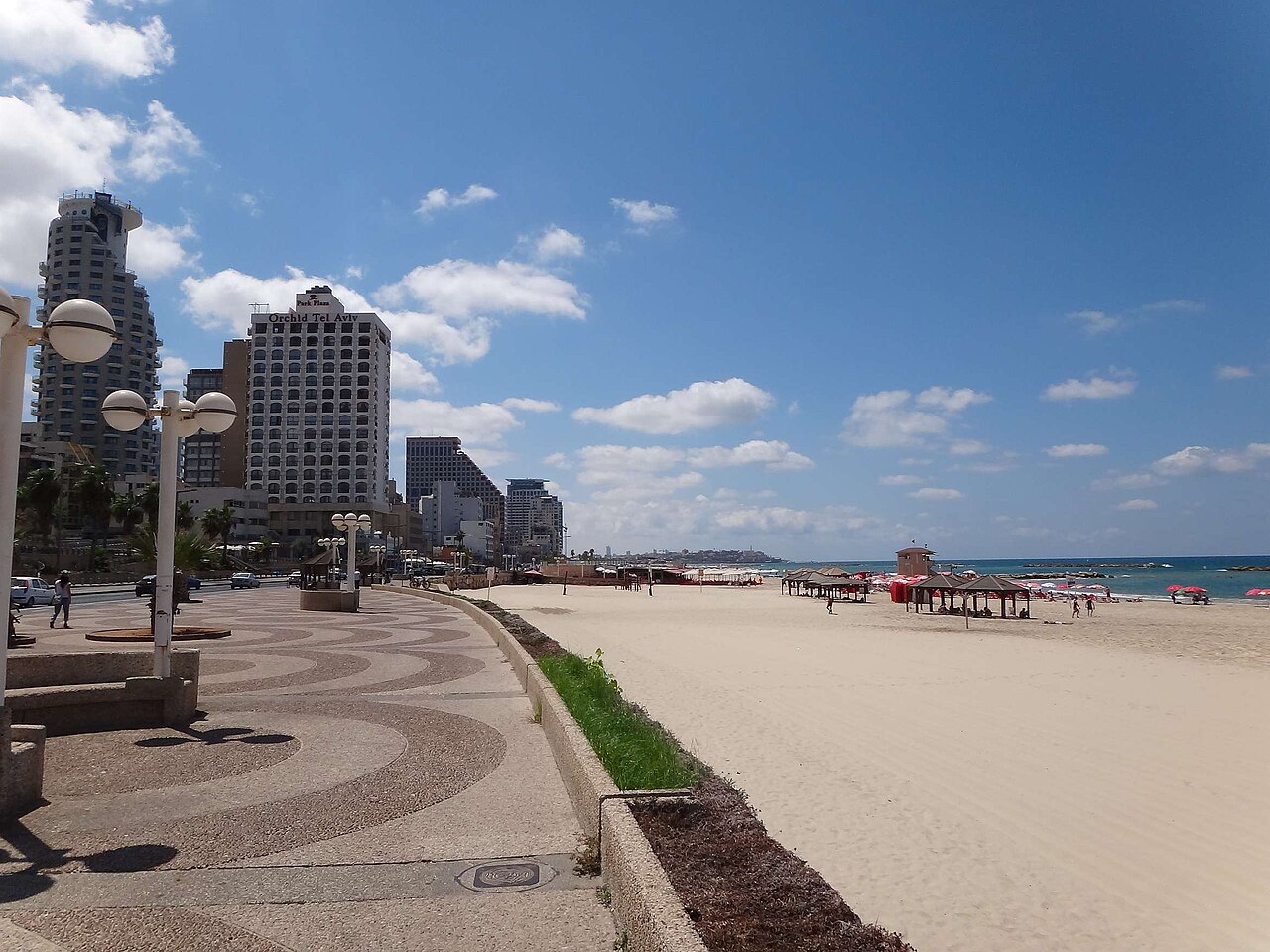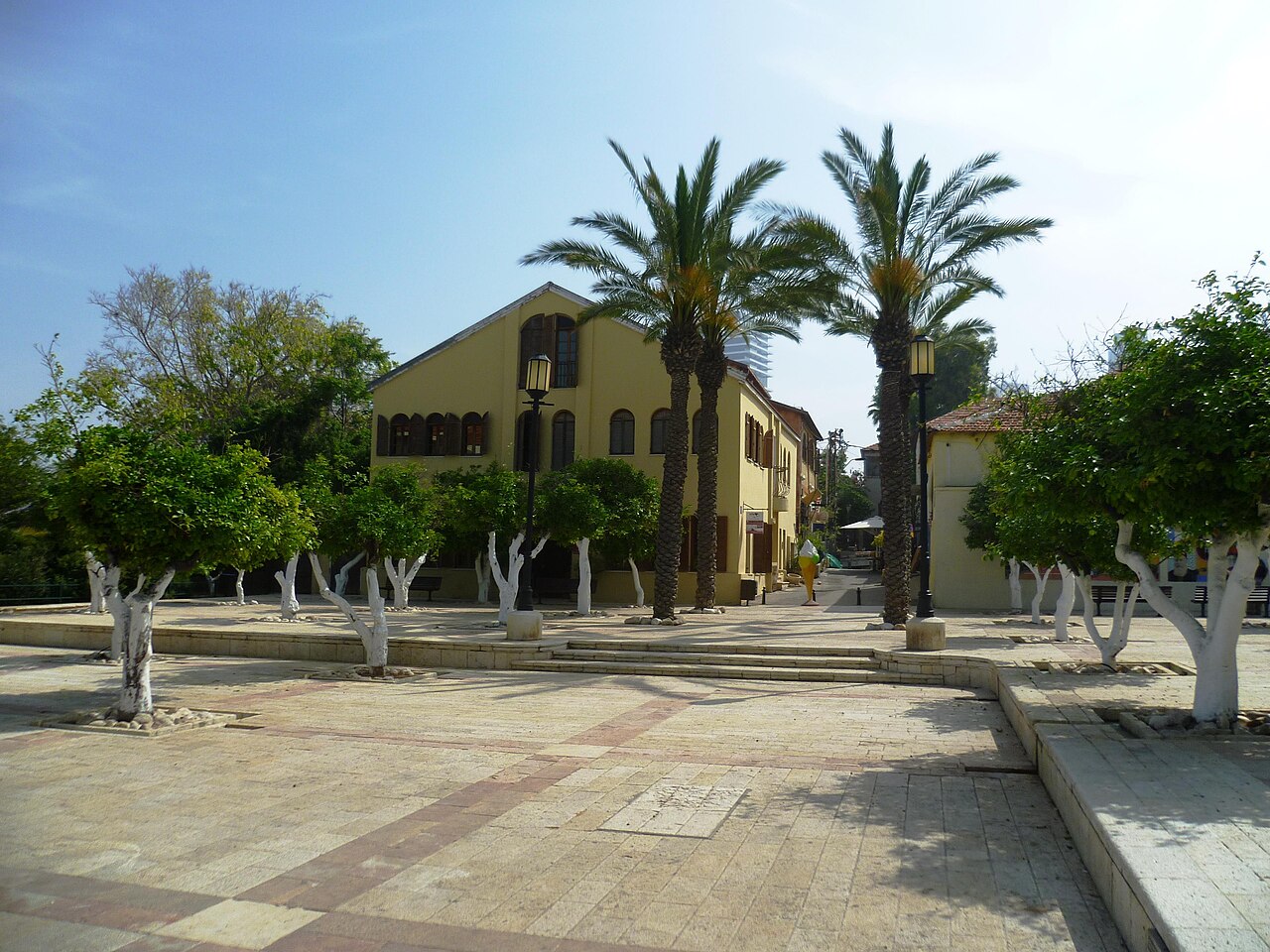
Tel Aviv rewards a relaxed plan. The city is flat, compact and built around the sea, so you can combine history, architecture, food and beach time in the same day. Here is how to organize a first visit.
Before you go
Check current travel advisories from your own government before you travel, and review your airline and travel insurance terms, since conditions can change and some tours or opening times may be adjusted at short notice. Keep bookings flexible where you can and confirm hours close to the day.
How many days
Three days is a comfortable first visit, and two days works if you focus. Give one day to Old Jaffa and the southern seafront, one to the White City, Carmel Market and Neve Tzedek, and one to a museum, Sarona and a long beach afternoon. With more time, add the ANU Museum, a bike ride along the promenade and slow evenings in cafes.
What to book ahead
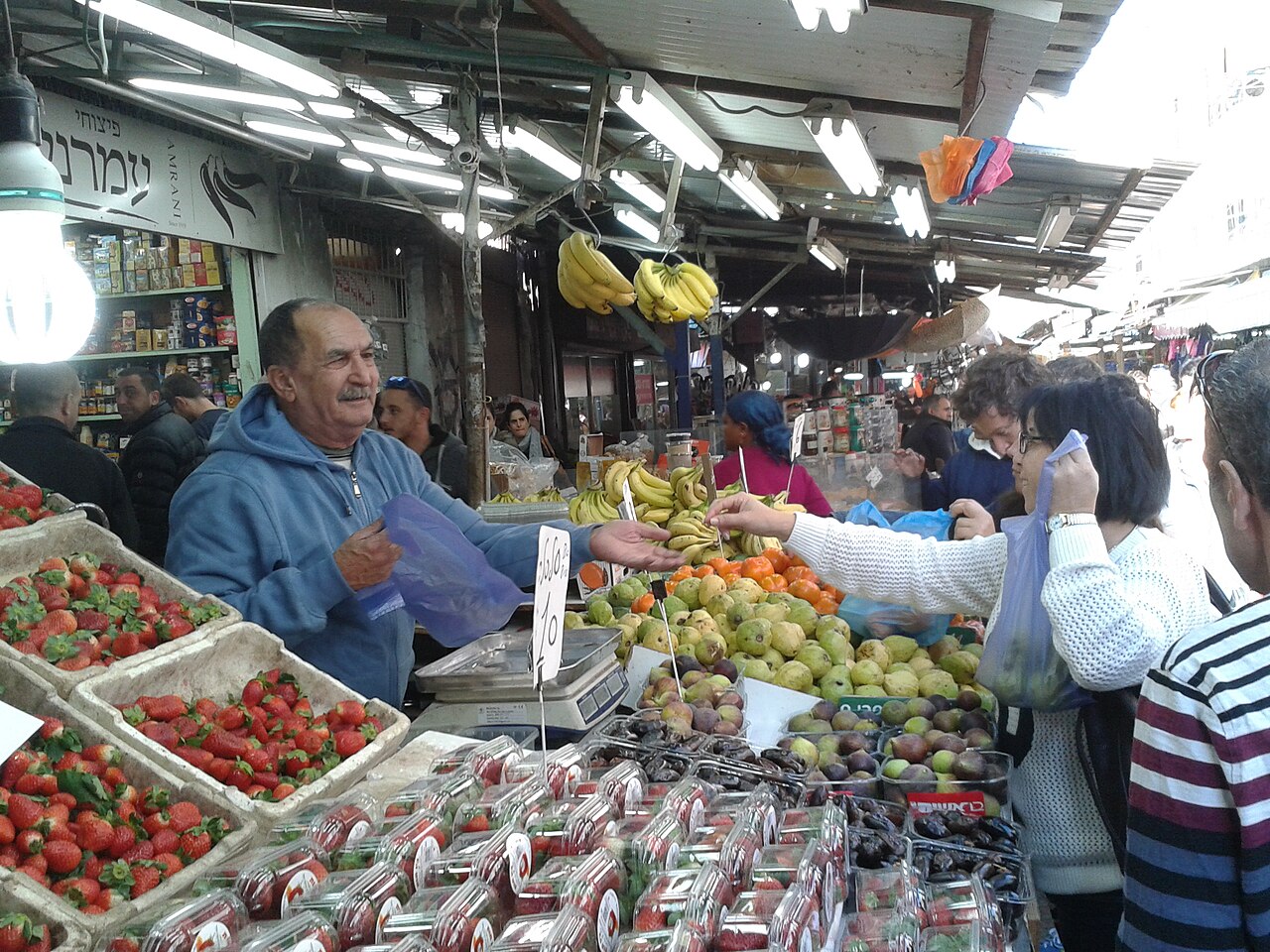
Most of the headline sights are free to wander, so there is little that must be reserved. Tickets for the ANU Museum with an audio guide save time at the desk, the Nahum Gutman Museum has an online ticket, and the Tel Aviv Museum of Art sells tickets through its own site. Guided experiences such as a Carmel Market tasting walk or a bike tour run in small groups, so reserve those a few days ahead, especially in spring and autumn.
Mind the Sabbath and holidays
From Friday afternoon to Saturday evening, public transport is limited or stops, Carmel Market is typically closed and many shops and some museums close or shorten hours, while the beaches and many cafes and restaurants stay busy. Jewish holidays follow a similar pattern. Plan your museum and market days around this, buy what you need on Thursday or Friday morning and use Saturday for the beach, a long lunch or a walk.
Getting around
The center is walkable, and the promenade, bike lanes and shared bikes make cycling easy. Buses and the light rail cover the main routes, and you can pay with a contactless method or a rechargeable transit card. Taxis and ride-hailing apps fill the gaps, particularly on the Sabbath. Trains link the city with the airport, and the airport is around half an hour away by road.
Food and evenings
Eating is a main event here. Start the day with a market snack or a long breakfast, take a late lunch at Carmel Market or Sarona, and keep the evening free for a seafront dinner or a drink in Jaffa. Many restaurants fill up on Thursday and Friday nights, so reserve a table if you have a favorite in mind, and remember that kitchens that observe the Sabbath close from Friday afternoon.
Weather and dress
Summers are hot and humid, so plan outdoor sights for early morning or late afternoon, and carry water and sun protection in every season. Dress modestly for religious sites in Jaffa, with shoulders and knees covered.
A simple first day
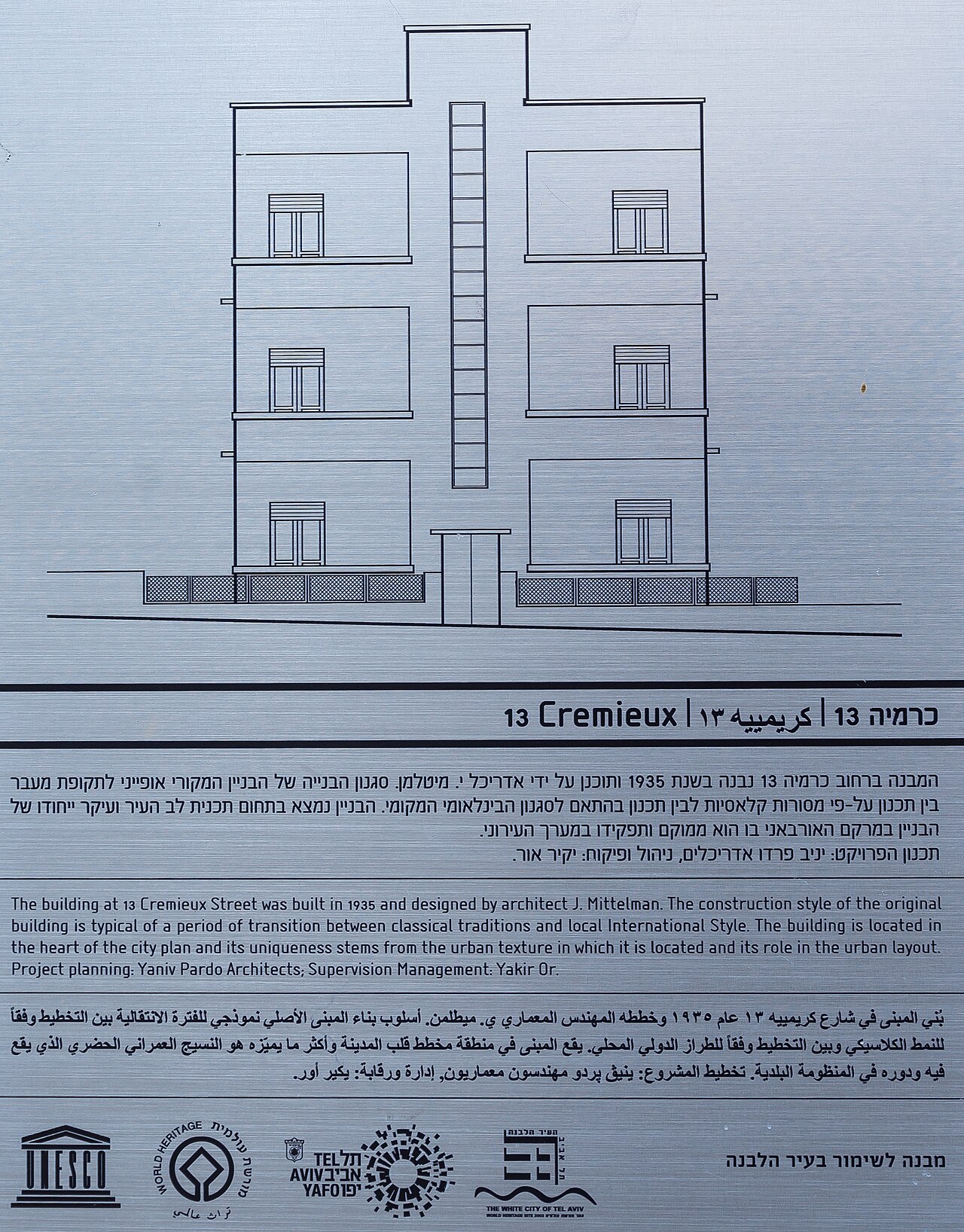
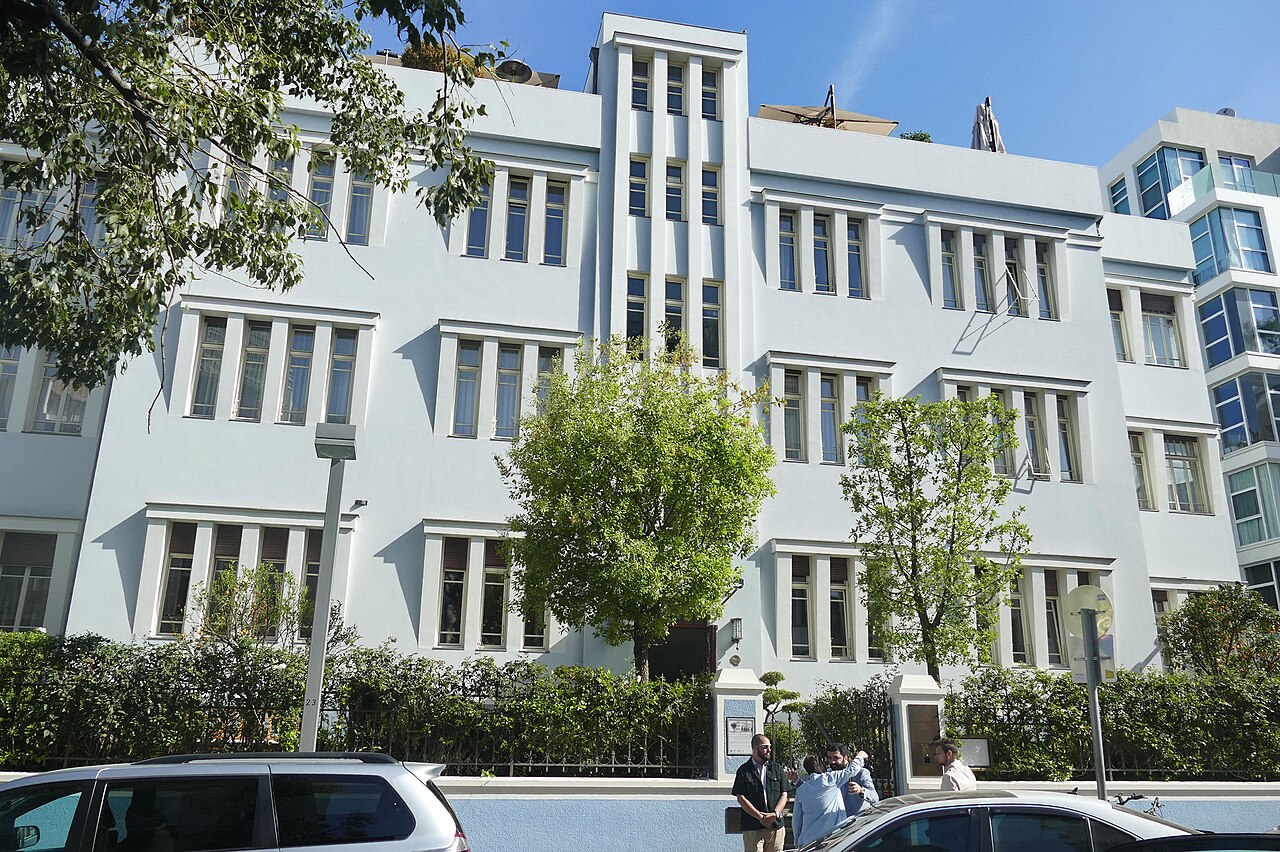
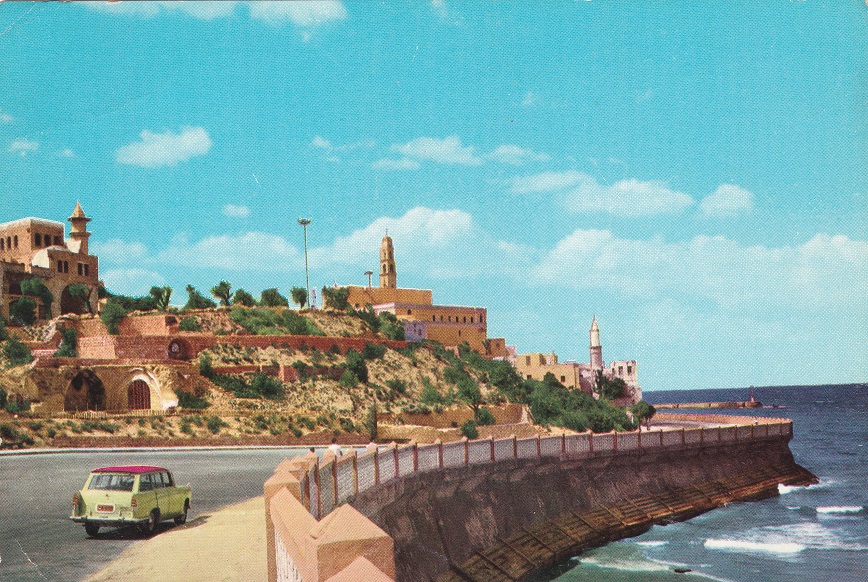
Start in Old Jaffa in the morning for the clock tower, the harbor and the flea market, then walk north along the promenade toward Neve Tzedek for lunch. In the late afternoon, stroll Rothschild Boulevard to see the White City buildings, and end with a sunset by the sea. On day two, add Carmel Market, the Gutman Museum and the Tel Aviv Museum of Art.
Where to stay
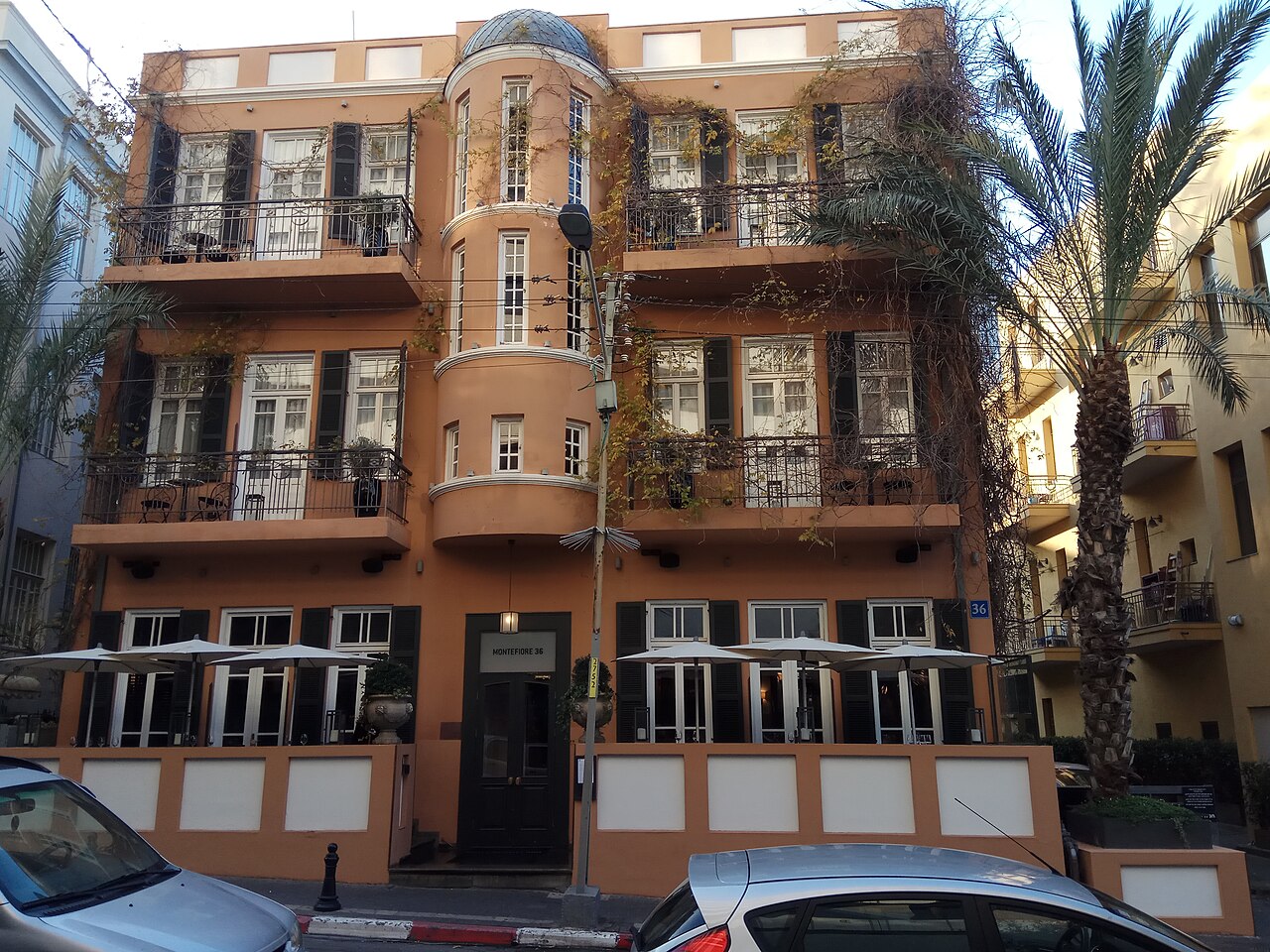
For access to the White City, the market and the cafes, stay near Rothschild Boulevard, where The Norman and Hotel Montefiore sit, along with Abraham Hostel for budget travelers. For history and atmosphere, The Setai in Old Jaffa is the luxury choice, and Dan Panorama gives sea views near Jaffa and Neve Tzedek. See our guide to where to stay for more detail.