Tunis has a Mediterranean climate, with hot dry summers, mild wet winters and two long, pleasant shoulder seasons. The coast moderates temperatures, but inland sites such as Dougga, El Djem and Kairouan feel much hotter in summer and colder on winter mornings. Here is how the seasons shape a trip.
Spring (March to May): the best season
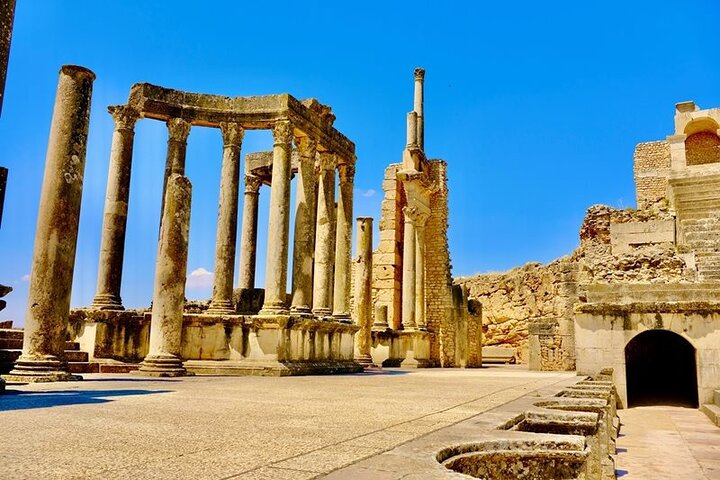
Spring is the favourite of most visitors. Days are warm without being hot, the countryside is green and covered in wildflowers, and the long light is perfect for photographing ruins. It is the ideal time for the big Roman day trips to Dougga, Bulla Regia and Thuburbo Majus, when the hillsides are at their best. Sea water is still cool, so it is more a season for sightseeing than swimming. Because this is also peak season, book hotels and tours earlier, especially around Easter and public holidays, and expect the main sites to be busier at midday.
Summer (June to August): hot and best near the sea
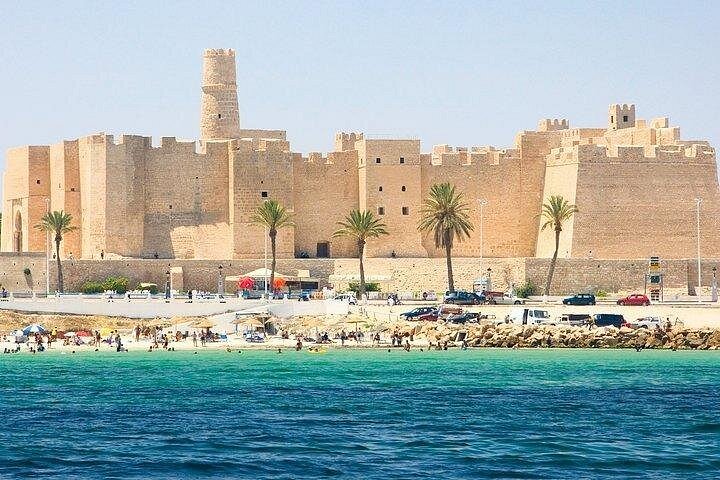
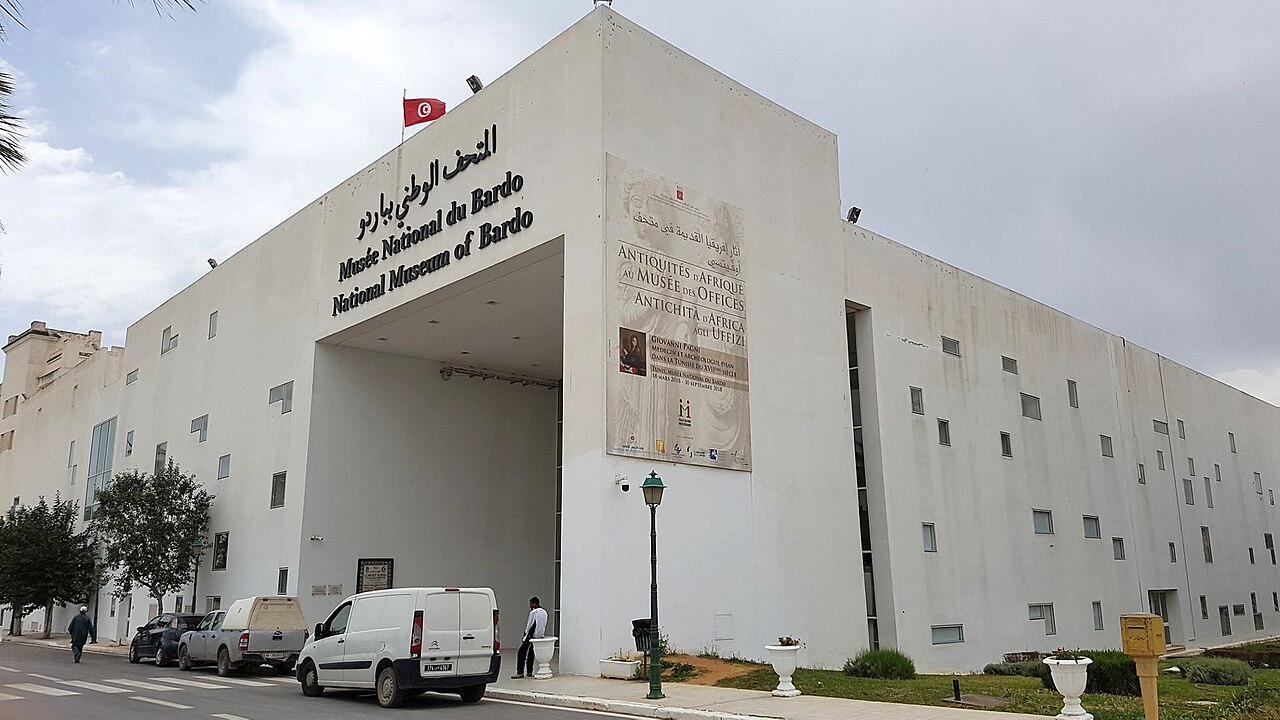
Summers are hot and dry, and midday temperatures at inland sites can be punishing, with little shade among the ruins. If you travel now, plan around the heat: do the medina, museums and ruins in the early morning, take a long lunch indoors or by the sea, and return to sightseeing late in the afternoon. The Bardo Museum and the Dar Ben Abdallah museum are good indoor options. The coast, from La Marsa and Gammarth to Cap Bon, is where visitors spend the middle of the day, and beach resorts are at their liveliest. Day trips to inland sites are best done with a very early start, and an overnight in the Sahara is not recommended in the peak of summer, when the desert is extremely hot.
Autumn (September to November): warm and relaxed
Early autumn keeps summer warmth with fewer crowds, and the sea is at its warmest, making it a good time to combine sightseeing with a swim. By October and November the temperatures are comfortable for walking, the light is soft and the sites are quieter. This is also the season of olives and citrus, with markets full of fresh oranges and clementines. Rain becomes more frequent from late autumn, usually in short, heavy showers, so keep a light waterproof in your bag and have indoor options such as the Bardo in mind.
Winter (December to February): cool, green and quiet
Winter is mild by northern standards, though it can feel chilly and damp, especially on windy days and in unheated rooms. Rain is most likely in these months, and some days are grey, but there are also many bright, clear days, and the ruins are almost empty. It is a good time for museums, the medina, long lunches and the northern sites around Bizerte and Ichkeul, where wintering birds gather. Nights in the desert are cold, so pack warm layers if you plan an overnight. Prices for hotels can be lower outside the holiday weeks.
Ramadan and holidays
The Islamic month of Ramadan moves about eleven days earlier each year, and it changes the rhythm of the city. In the daytime many restaurants and cafes close or serve discreetly, shops open late, and opening hours at some sites change. After sunset the city comes alive, with festive meals and crowded streets. It is a rewarding time to visit if you want to see local life, but plan sightseeing for the morning, book meals ahead and be respectful about eating and drinking in public. Check dates for Ramadan and for national holidays when you plan, and note that many museums close on certain public holidays.
What to pack
In spring and autumn, bring light layers, a scarf for sun and for visiting religious sites, comfortable walking shoes and a light rain jacket. In summer, add a wide-brimmed hat, sunscreen, a refillable water bottle and loose cotton clothes that cover the shoulders and knees, which are comfortable in the sun and respectful in the medina. In winter, a warm fleece and waterproof shoes are worth having, as stone lanes get slippery when wet. Evenings by the sea can be breezy at any time of year.
Our suggestion
If you can choose, go in April, May, October or early November. If you must travel in summer, base yourself near the sea and keep sightseeing for the early morning. If you go in winter, pack layers and a rain jacket, and make the most of the empty sites. Whatever the season, check opening hours before you go and start days early.