Tunis is a fine base for day trips, because the country is small and the best sites lie in a ring around the capital. Most of them need a car and a guide, since public transport is slow and signage is limited, so book a private driver or a small-group tour. Here are the options, from the easiest to the most demanding.
Easy and close: Oudhna, Zaghouan and Thuburbo Majus
To the south of the city, within an hour or so, lie some of the least-visited Roman sites in the country. Oudhna has a hilltop Capitol and an amphitheatre you can walk through, Zaghouan has the Roman Temple of Waters at the source of the aqueduct that supplied Carthage, and Thuburbo Majus has a forum, baths and mosaic courtyards. They combine well into one relaxed day and suit anyone who dislikes long drives. You will often have the ruins to yourself.
Coastal and cultural: Cap Bon and Kerkouane
East of Tunis, the Cap Bon peninsula combines citrus groves, beaches and sea views with Kerkouane, a UNESCO-listed Punic town that was abandoned and never rebuilt. Add the hilltop fortress at Kelibia and the quarries near Haouaria, and you have a varied day. It takes about two hours each way to the tip of the peninsula, so start early, and plan a seafood lunch on the coast.
North: Bizerte, Utica and Cape Angela
About an hour north, Bizerte is a fishing port with an old harbour, ramparts and a more maritime feel than Tunis. Nearby Utica is a Phoenician and Roman city with mosaics, and Cape Angela is the northernmost point of Africa. In winter, the lake and national park of Ichkeul are a draw for birdwatchers. It is a gentle day for return visitors.
The classic: Dougga and Bulla Regia
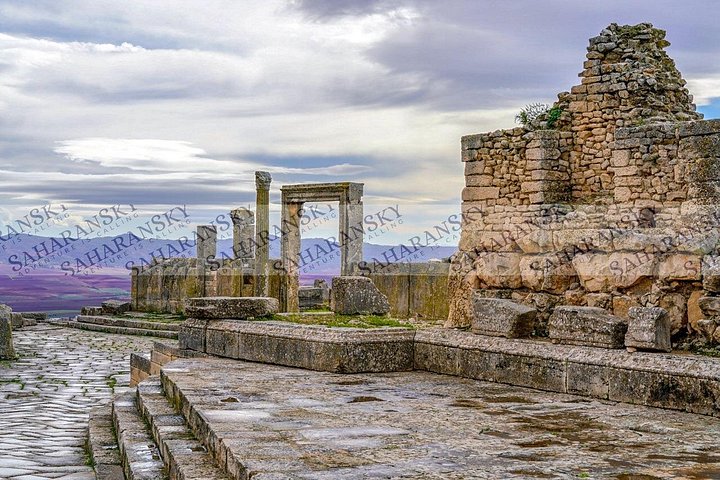
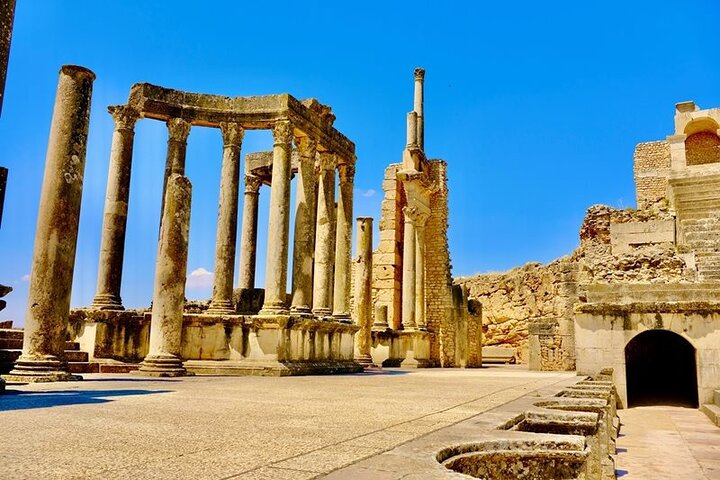
Dougga is the single best Roman site in Tunisia, a hilltop town with a theatre, a Capitol, baths and a remarkably complete street plan, set among olive groves. Bulla Regia, further west, is famous for its underground villas, built to escape the summer heat. A full-day tour usually includes both, often with a stop in Testour, and it takes roughly two to two and a half hours each way. Start by seven or eight, wear sturdy shoes and bring water and a hat.
The long one: Kairouan and El Djem
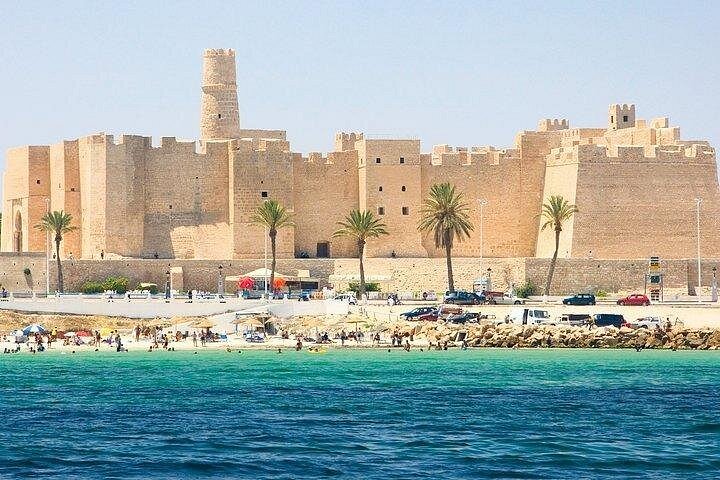
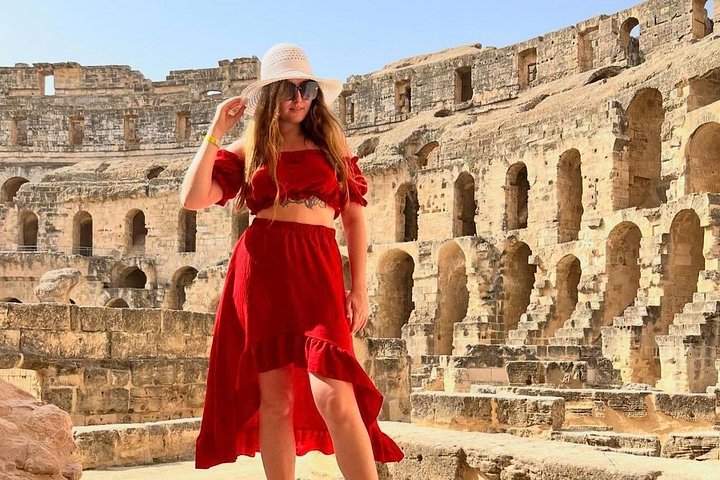
South of Tunis, Kairouan is the holiest city in Tunisia, with a great mosque, a walled medina and famous date pastries. El Djem has one of the best-preserved Roman amphitheatres in the world, large enough to hold tens of thousands, rising dramatically above a small town. Together they make a very full day, usually with a lunch stop, and Monastir or Sousse sometimes added. If you can, break it with an overnight on the coast and have a more relaxed pace.
The big adventure: the Sahara overnight
A two-day tour with a night in a desert camp is the quickest way to see the dunes from Tunis. It involves long drives on both days, and a three-day version with oasis towns is more relaxed. Spring and autumn are the best seasons, and nights can be very cold in winter.
How long each trip takes
As a rule of thumb, allow about an hour each way for Zaghouan, Oudhna and Bizerte, roughly two hours for Kairouan, Kerkouane and Dougga, and a little more for Bulla Regia and El Djem. Add time on site and a lunch stop, and you will see why most operators leave between seven and eight in the morning and return in the early evening. Traffic around Tunis can add time at the start and end of the day, so plan flights and dinner reservations with a buffer.
Choosing and booking
If you have one day, choose Dougga with Bulla Regia for the best of the Roman north, or Kairouan and El Djem if mosque and amphitheatre appeal more. If you have two, add Zaghouan or Cap Bon. Book a day or two ahead in high season, ask what is included, including lunch and entrance tickets, and confirm opening days, since sites close on some holidays. Tell the operator about mobility needs, as the ground at ruins is uneven. Finally, mix long days with easy ones, and leave an evening free in Tunis or Sidi Bou Said to recover.