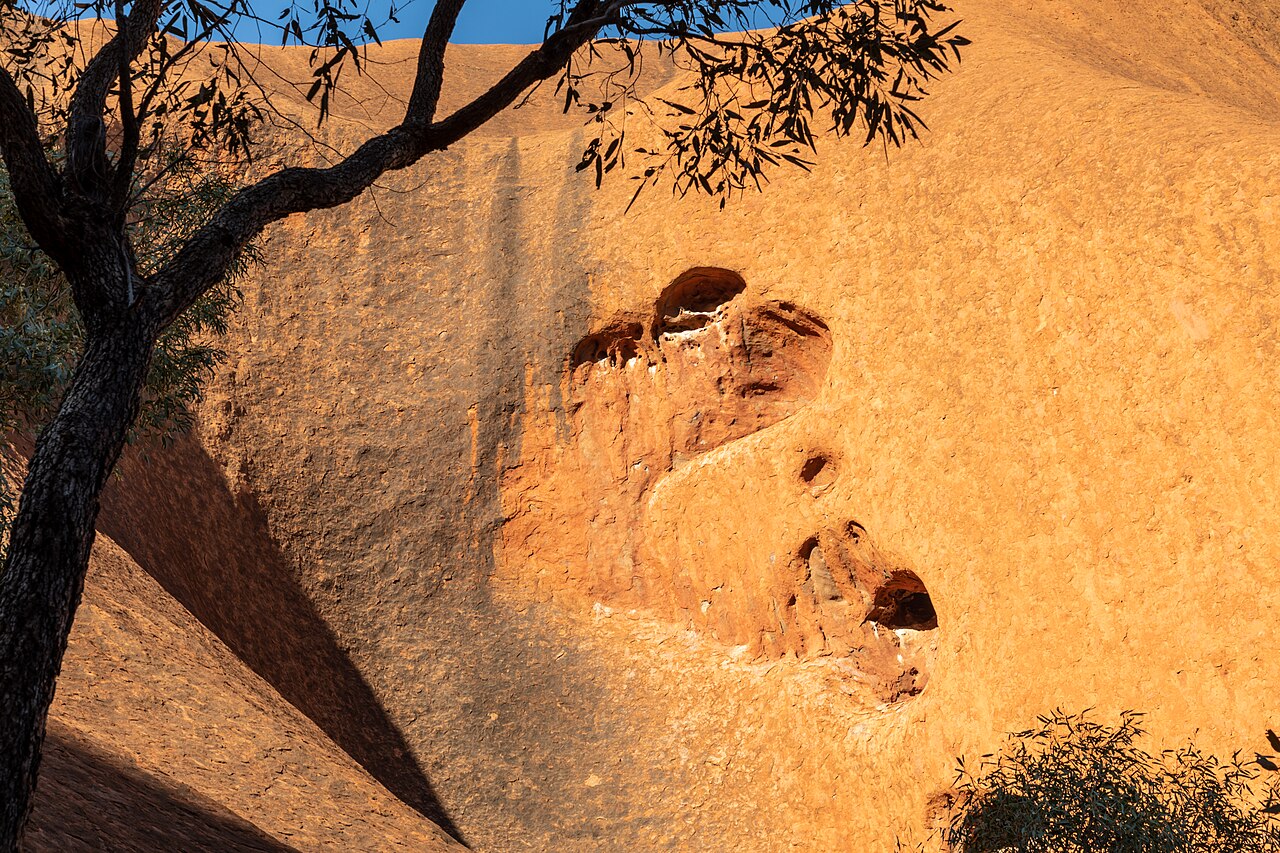
Uluru can be a wonderful family trip, but it rewards a plan that respects the heat, the distances and the attention span of children. The red centre is not a theme park, and the best moments are often quiet ones: a gecko on a warm rock, a sky full of stars, a ranger explaining how the desert plants were used. This guide covers what works for different ages, how to keep everyone comfortable and how to build days that leave energy for the best parts.
Start with realistic expectations
Most of what makes Uluru special is outdoors, and the desert is hot for much of the year. Young children can find long drives and walks tiring, so aim for short bursts of activity with plenty of rest in between. A good family day has one main outing, a long break in the middle and a gentle evening. Do not try to do sunrise, a long walk, a sunset and a night show in one day. Children, like adults, enjoy the place more when they are not exhausted.
Park entry
Children and teenagers under eighteen enter the national park free, while adults need a park pass that lasts three days. Buy the pass online or at the entry station, and keep it with you. It covers the whole visit, so you can spread activities over several days.
Heat, flies and sun
From October to March, daytime temperatures can be extreme, and walks at Kata Tjuta close when it is hot. Plan outdoor activities for early morning and late afternoon, and use the middle of the day for the pool, the Cultural Centre or a nap. Carry more water than you think you need, and give children their own bottles. Hats, sunscreen and light long-sleeved shirts are essential, and a fly net that fits over a hat is a small purchase that children often find funny and adults find life-saving. In the cooler months from April to September, days are pleasant but mornings and evenings are cold, so pack warm layers.
Easy wins for families
The Cultural Centre is air-conditioned, free to enter and full of displays, a good first stop that helps children understand what they are about to see. The ranger-guided Mala walk is free, short enough for most school-age children and full of stories and plants. The Kuniya walk to the Mutitjulu waterhole is another short, rewarding walk with a pool and rock art. The Talinguru Nyakunytjaku viewing area has easy paths and a good view of the rock at sunrise and sunset, without the need for a long walk. For anything longer, think about whether your children are ready for several kilometres in the sun.
Walks with older children
Teenagers and strong walkers can try the guided base walk in the cool of the morning, which covers around ten kilometres if you do the whole track, or a Kata Tjuta walk such as Walpa Gorge, which is shorter and has shade in the gorge. The Valley of the Winds circuit is a long walk on rocky ground and is best left for older, fit children and only in cool conditions. If your family likes something active but easier, the Segway ride is a fun way to cover the base with a guide, though you should check minimum ages and weight limits when you book.
Night experiences
The desert sky is one of the highlights for children. The one-hour Outback Sky Journeys stargazing tour uses telescopes and is aimed at families and people of all ages, which makes it the easiest night experience to fit in. The Field of Light is a gentle, atmospheric walk among thousands of glowing stems and suits most ages, though check the timing and age guidance. The Sounds of Silence dinner is limited to children aged ten and over, and the evening is long, so it works best for older children who enjoy the idea of dinner under the stars. A barbecue dinner and star talk tour is a more relaxed option for families who want a meal and a sky show together.
Where to stay
Yulara has a range of options for families. The Emu Walk Apartments give you a kitchen and separate living space, which helps with meals and bedtimes. The Outback Hotel and Desert Gardens Hotel offer pools and ensuite rooms, and the Outback Lodge has private rooms that sleep up to four. The free resort shuttle helps with moving between hotels and the town square, and the grocery store supports self-catering.
Respect and learning
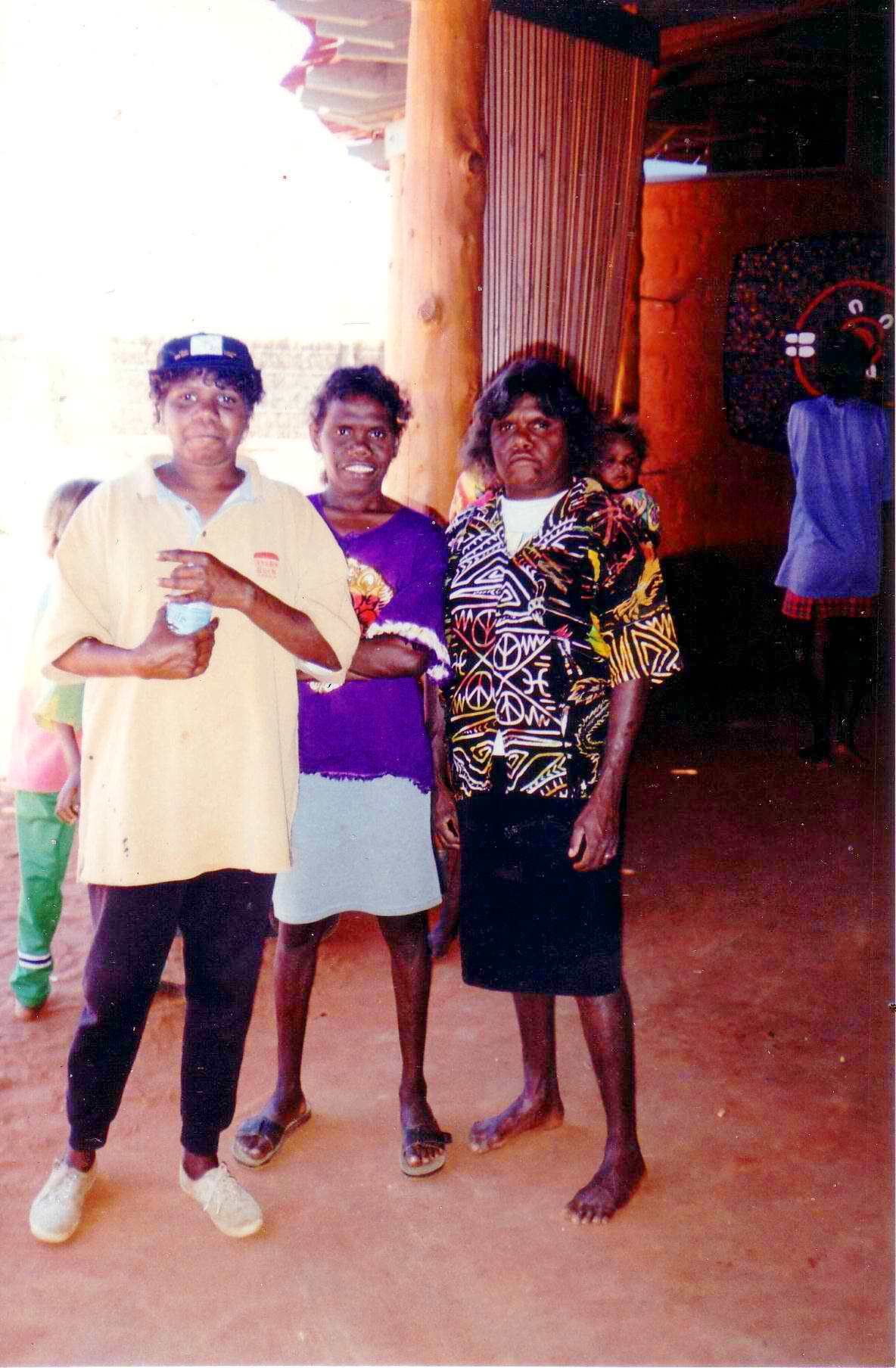
The Anangu are the traditional owners of Uluru and Kata Tjuta. Children can learn a lot from short talks, the Cultural Centre and the signs along the walks. Explain that some places are sacred and that photographs are not allowed everywhere. Keep to the tracks, leave rocks and plants where they are and take rubbish out.
A simple family plan
Day one: arrive, swim, visit the Cultural Centre when it opens and finish with a sunset at Talinguru Nyakunytjaku. Day two: take the Mala walk in the morning, rest through the middle of the day and join the stargazing tour in the evening. Day three: a gentle morning, then travel home or add a short scenic flight if everyone is keen. Three days is the sweet spot for families, because it allows rest between activities and gives the desert time to work its quiet magic.