Valencia is a gift to anyone who loves to eat. It sits between the sea, the rice fields of the Albufera and one of Spain’s great orchard plains, so the larder is extraordinary and the cooking is honest. Here is how to eat well without a restaurant guide in hand.
Start with the rice
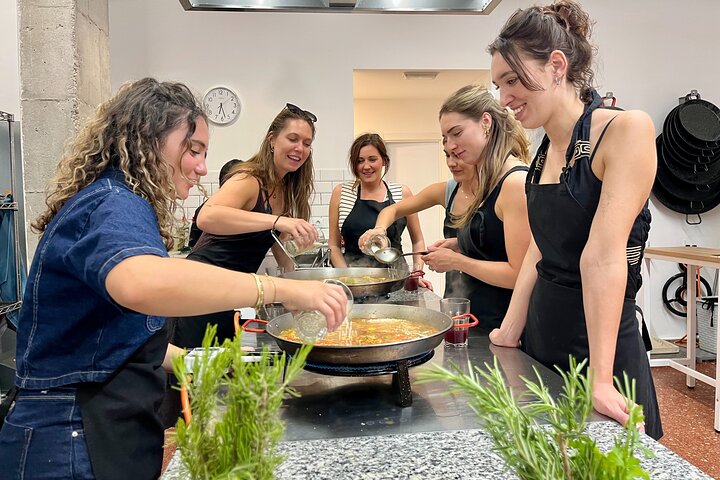
Paella was born in the villages around the Albufera lagoon, and paella valenciana is a specific dish: short-grain rice cooked in a wide, shallow pan with chicken, rabbit, flat green beans, a local white bean called garrofó, tomato, olive oil, saffron and sometimes rosemary. Seafood paella exists and can be excellent, but if you want the original, ask for paella valenciana. A proper paella is cooked to order and takes time, so expect a wait, and look for the crisp caramelised layer on the base, the socarrat, which is the prize. It is traditionally a lunchtime dish, and in Valencia it is often shared by the table straight from the pan. For the full story, take a cooking class (the Valencian paella cooking class includes a market visit) or eat in El Palmar on the edge of the lagoon after a boat trip.
Other rice dishes
Valencians cook rice in many ways, and it is worth ordering something other than paella at least once. Arroz al horno is baked in a clay dish with pork, potato and chickpeas. Arroz a banda is cooked in fish stock and served with garlic mayonnaise. Fideuà swaps noodles for rice and is usually made with seafood. Ask your waiter what is best that day, and remember that rice is nearly always a dish for two or more people.
Shop at the Mercado Central
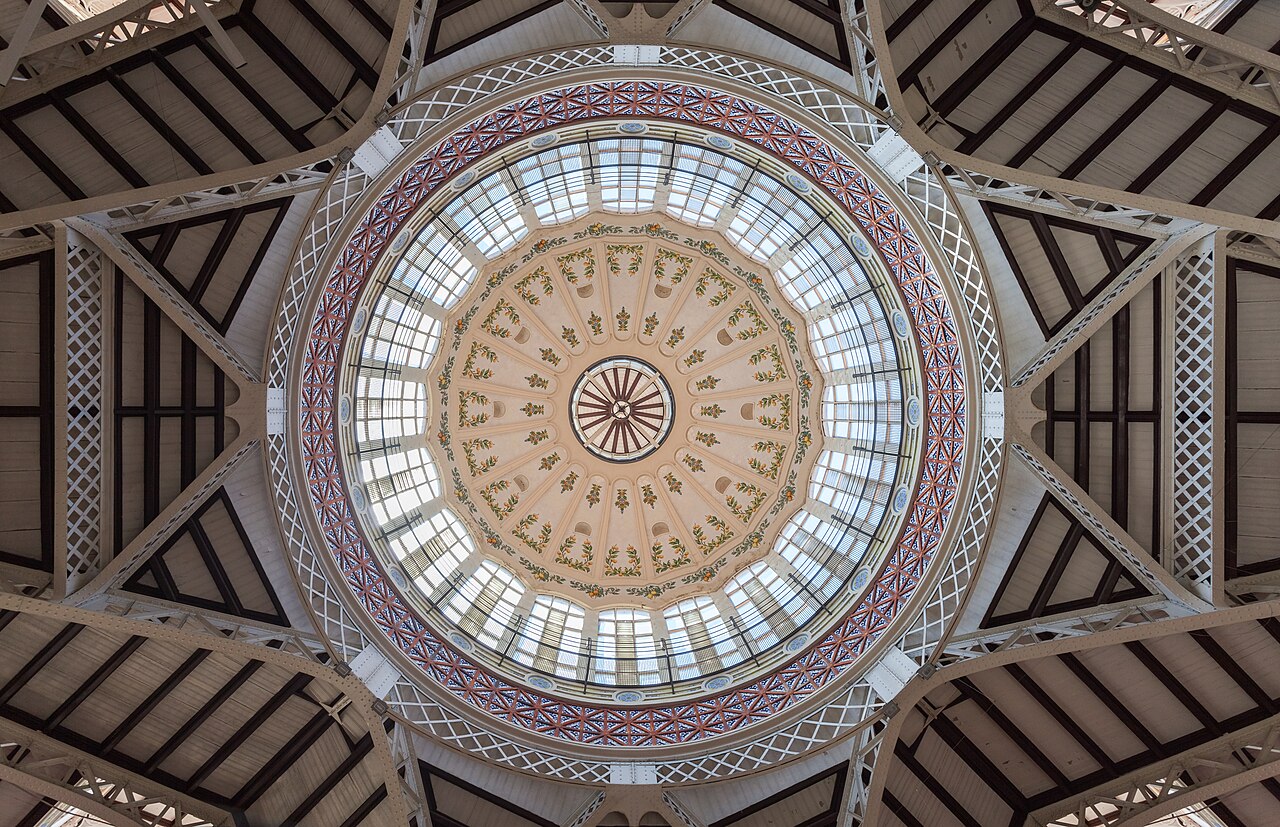
The Central Market is the best single food stop in the city. Come in the morning, when the stalls are full, and graze: fresh orange juice, a slice of cured ham, local cheese, olives, a bag of fruit. It is closed on Sundays and public holidays, and many stalls wind down by mid-afternoon. For a more local, slightly less crowded atmosphere, visit the Colón and Ruzafa markets, and look for bars in the surrounding streets where workers stop for breakfast.
Almuerzo and tapas
Many Valencians eat a second breakfast mid-morning, the esmorzaret or almuerzo, a bocadillo (a filled baguette) with a drink, often in a neighbourhood bar. At other times, tapas are the way to graze: ask for the local specialities such as esgarraet (roasted red pepper with salt cod), fried or grilled seafood, tellinas (tiny clams) in season and local mussels. The neighbourhoods of Carmen, Ruzafa and El Cabanyal are good hunting grounds for small bars, and the streets around the Central Market are busy at midday.
Drinks to try
Horchata is the signature cold drink: a sweet, milky, nutty drink made from tiger nuts grown in the Valencian countryside, served ice-cold with long, sweet fartons pastries for dipping, and best on a hot afternoon. Agua de Valencia is a cocktail of orange juice, cava and spirits, and it is stronger than it looks. Local wines come from the surrounding hills, including the red grape Bobal, and Valencia oranges appear everywhere as juice. In the evening, sit in a plaza with a vermouth, a Valencian ritual before lunch on weekends.
Sweet things
Fartons and horchata are the classic pairing, but look also for sweet buñuelos (fritters) during the Fallas season, almond turrón, and pastries decorated with orange flower. The orange season runs through the cooler months, and the scent of orange blossom in spring is part of the city’s charm.
Keep to the Spanish clock
Lunch is the main meal, usually from about two to four in the afternoon, and dinner rarely starts before nine. Kitchens in many traditional restaurants close between lunch and dinner, so a late afternoon meal can be hard to find outside tourist areas. Many places offer a menú del día at lunch on weekdays, a fixed-price set meal that is good value, and the table is yours for as long as you like. Tipping is appreciated but not required; leaving a few coins for good service is enough.
A simple food plan
For a first visit, spend a morning at the Central Market, take lunch at a paella restaurant by the Albufera or at the beach, and use the evenings for tapas in Carmen or Ruzafa. If you want structure, a cooking class is the best investment, and the Albufera boat trip makes a natural pairing. Pick a rice dish you have not tried, finish with horchata, and give yourself time. Nobody in Valencia is in a hurry at the table.