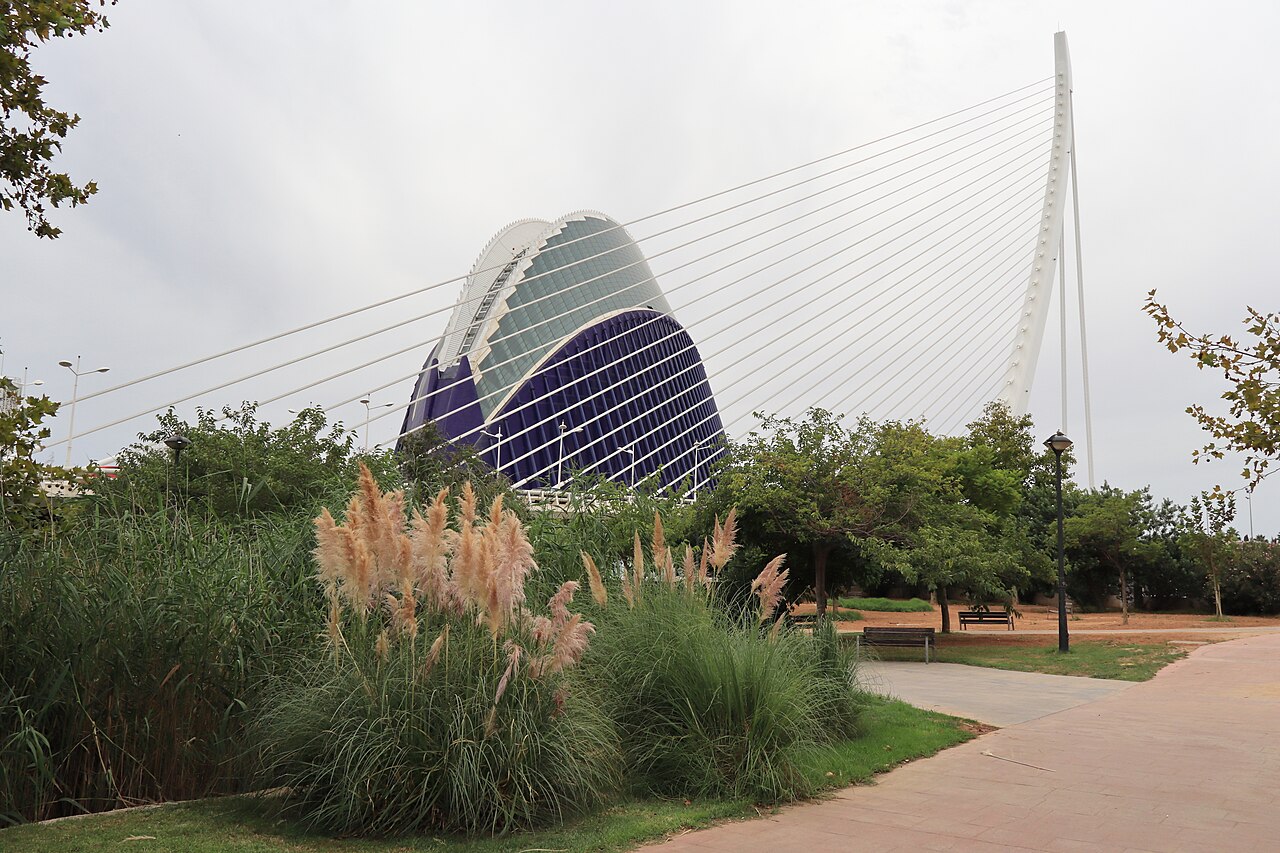
Valencia has one of the mildest climates in Europe, with long, sunny summers, gentle winters and plenty of sunshine in between, so there is rarely a bad time to visit. The better question is what you want to do. Here is how the year breaks down.
Spring, March to May: festivals and flowers
Spring is many people’s favourite season. Days are warm without being hot, the orange trees are in blossom and the Turia Gardens are green. The great event is the Fallas festival, held in mid-March, when neighbourhoods build huge satirical sculptures, set off daily firecracker displays in the Plaza del Ayuntamiento and burn the sculptures on the final night. It is loud, crowded and unforgettable, and hotels fill and raise prices well ahead, so book early or avoid the festival dates if you prefer quiet. Easter week brings processions, especially in the seafront district. Late spring is ideal for cycling, the Albufera and the first beach days.
Summer, June to August: beaches and long evenings
Summer is hot and humid, especially in July and August, when afternoons are best spent by the sea or indoors. This is the time for Malvarrosa and Las Arenas, for the Oceanogràfic and Bioparc in the morning, and for dinner on a terrace late in the evening. Valencians take their holidays in August, so some small restaurants close for a few weeks, while beaches are busiest on weekends. Book the Oceanogràfic and popular tours ahead, start sightseeing early and plan a long midday rest. Montanejos and the San José caves are good ways to escape the heat.
Autumn, September to November: warm sea and quieter streets
September and October are among the best months. The sea is at its warmest, the crowds thin and the light is lovely. Temperatures stay pleasant into November, which is mild and quiet, perfect for sightseeing though too cool for most to swim. Autumn can bring short spells of heavy rain, so pack a light waterproof and keep an indoor option, such as the Science Museum or the Hortensia Herrero art centre, in reserve. Orange season begins, and the Central Market is full of citrus.
Winter, December to February: mild and calm
Winter is the quietest season. Days are often sunny and cool rather than cold, ideal for walking the old town, climbing the Micalet and lingering in museums and cafés. Hotel prices are at their lowest outside the holidays, and it is easy to get a table. Swimming is not on the agenda, but the beach is lovely for a winter walk and a seafood lunch. Check that your chosen attraction is open on the holidays, since the cathedral and some sights close on certain holy days and on 25 December.
Crowds through the year
The busiest periods are the Fallas festival in March, Easter week, the summer weekends and the school holidays, when the Oceanogràfic, the beaches and the cathedral all draw long queues. The calmest periods are late autumn and winter outside the holidays, and the weeks either side of the main festivals. If your dates are flexible, a Tuesday or Wednesday is almost always easier than a weekend for the big attractions, and an early start beats any other trick for avoiding the lines.
The cheapest and quietest months
If you want space and bargains, visit in late autumn or winter, outside the holiday weeks. If you want warm sea and beach life, aim for late May to early October. For the best of both, choose May or late September.
What stays open
The Central Market is closed on Sundays and holidays, the Church of San Nicolás closes one day a week, and some small museums have a weekly closing day, so check before you go. The City of Arts and Sciences and the aquarium run through the year, with longer hours in summer.
Packing and planning for the weather
In spring and autumn, bring layers: mornings and evenings can feel cool while midday is warm. In summer, pack the lightest clothes you own, a hat and sunscreen, and plan to be indoors or by the water in the middle of the afternoon. In winter, a light jacket and an umbrella are enough for most days. Whatever the month, comfortable walking shoes matter more than anything, because the old town is cobbled and most of the best sights are best seen on foot.
A quick guide
For Fallas, March. For beach and family fun, June to September. For walking, art and peace, November to February. For almost everything, May and late September. Whenever you come, book the Oceanogràfic and the Hortensia Herrero art centre ahead, remember that lunch is late and dinner later, and leave a day for the Albufera at sunset.