Three days is the ideal length for a first visit to Valencia. It is long enough to see the Gothic old town, the futuristic skyline and the sea without rushing, and short enough that you can keep each day focused. This plan assumes you are staying central, using the metro and your feet, and wanting a mix of sights and slow time. Swap the order to suit the weather and your energy.
Day one: the old town
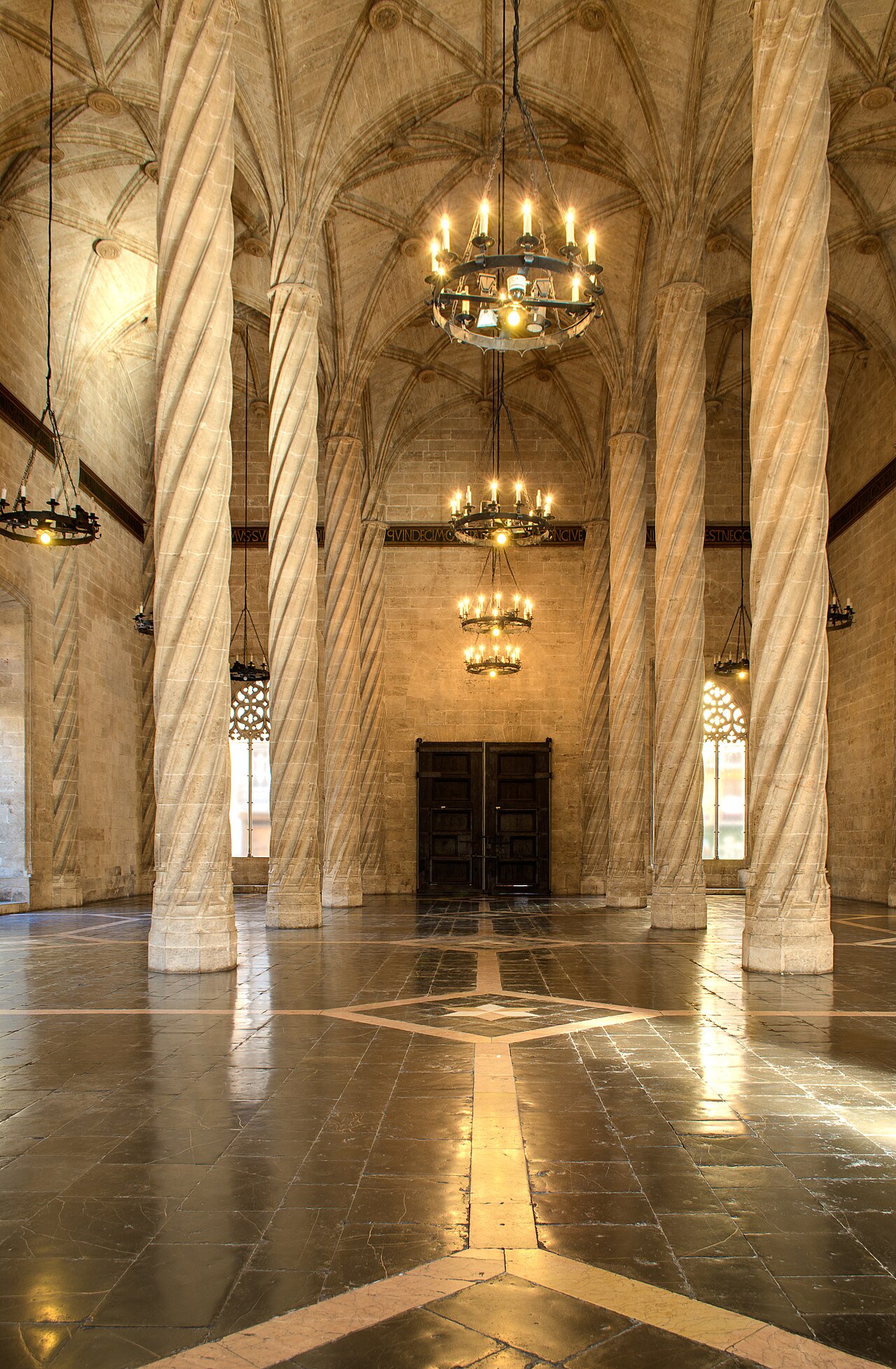
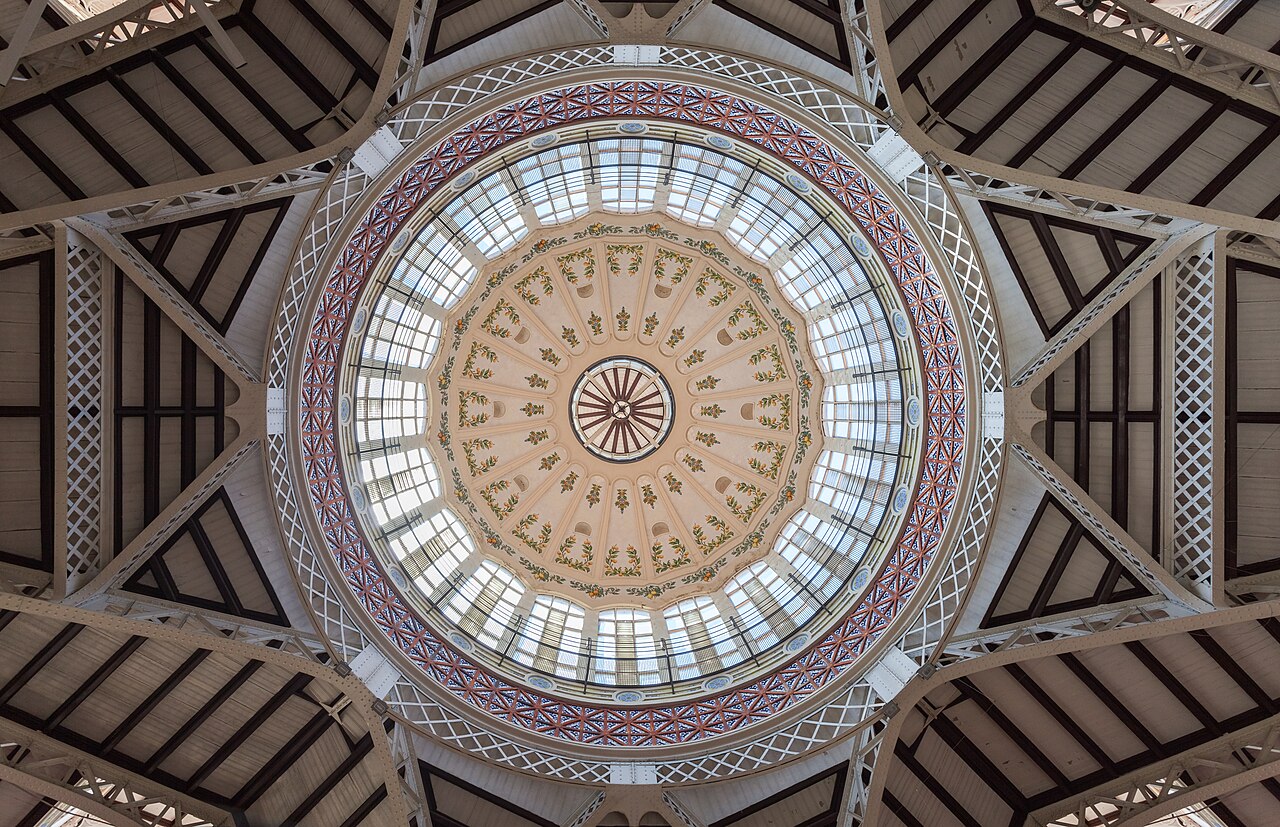
Begin early at the Central Market, where stalls of oranges, ham, saffron and seafood are at their best before the crowds arrive. Have a coffee and a pastry, then walk to the Silk Exchange, whose Hall of Columns is one of the finest civil Gothic interiors in Europe. From there the cathedral is a short stroll, and if you have the legs for it you can climb the Micalet tower for a view across the terracotta rooftops. Take a long lunch in the old town, then spend the afternoon among the churches and squares of the El Carmen quarter, finishing at the Serranos Towers, the medieval gate that looks out over the old riverbed. If you still have energy, the Centro de Arte Hortensia Herrero is a rewarding stop for contemporary art in a restored palace. In the evening, book the tapas and history walk to learn the neighbourhood and eat dinner in one go.
Day two: the City of Arts and Sciences
Walk or cycle east along the Turia Gardens, which carries you from the old town to the white, curving buildings of the City of Arts and Sciences without crossing a single road. Book the Oceanogràfic in advance and arrive at opening time, since it is the largest aquarium in Europe and needs several hours. Add the Science Museum or the planetarium if you have children or a curious mind. Break for lunch nearby, then rest in the shade before an evening stroll through the complex, when the buildings are lit and reflected in the water. If your group prefers a guide, a bike tour gives a good overview of the route, the gardens and the modern skyline on the way.
Day three: the sea and the rice fields
Spend the morning at the beach. Malvarrosa and the Cabanyal waterfront are easy to reach by tram, and a walk along the promenade with a seafood lunch is a classic Valencian pleasure. The Cabanyal district has colourful tiled houses and a village feel, and it is a good place for a paella that is cooked properly, over a flame, in a wide pan. If you prefer to see the source of the dish, take an afternoon boat trip on the Albufera lagoon, where flat-bottomed boats glide through reeds and rice fields and the sunsets are famous. Evenings suit a sunset catamaran sail or a flamenco and tapas dinner for a relaxed end to the trip.
Booking and pacing
Reserve the Oceanogràfic, the Hortensia Herrero centre and any cooking class or show before you travel, as these are the items that sell out. Keep the rest flexible. Spanish meal times run late, with lunch at around two and dinner at nine or later, so build your day around a long break in the early afternoon, when many small shops close. Summer afternoons are hot, so plan outdoor sights for morning and evening and use the middle of the day for museums, lunch or the beach. In winter, mild days are ideal for the Turia Gardens and the old town on foot.
Swaps and extras
Families can replace part of day one with Bioparc, where the animals live in naturalistic landscapes, and add the Turia Gardens playground. Food lovers can add a paella class, a market visit and a craft beer route in Ruzafa. History fans can swap an afternoon for a day trip to Sagunto, with its Roman theatre and hilltop castle. Active travellers might prefer the Chulilla hanging bridges or the thermal springs of Montanejos. If you have a fourth day, a coastal day trip to Peniscola or a wine day in Requena rounds out the picture.
Getting around
The metro and tram are cheap and frequent, and a single card covers both, so buy it on arrival and top it up as needed. The airport link takes about 25 minutes to the centre. Bike share and rentals are plentiful, and the city is flat. Taxis are reasonable for late nights or heavy luggage. Within the old town, walking is quicker than any vehicle, and many of the best moments, such as stumbling across a quiet square or an unexpected tiled doorway, happen between the sights.
Where to stay
For three days, choose a hotel in or near the old town or the Eixample, so you can walk to the market, the cathedral and the evening bars. A central base saves the commute and lets you return for a rest in the afternoon. If you prefer a quieter stay with more space, the western Turia Gardens area is a good-value alternative, with metro links to the centre. Book early for Fallas in March and for spring weekends, when demand is high.
A final tip
Do not try to see everything. Valencia rewards a slow pace, a second coffee and an extra hour in the sun. Leave a gap in each day for whatever catches your eye, whether that is a market stall, a side street or an unplanned swim.