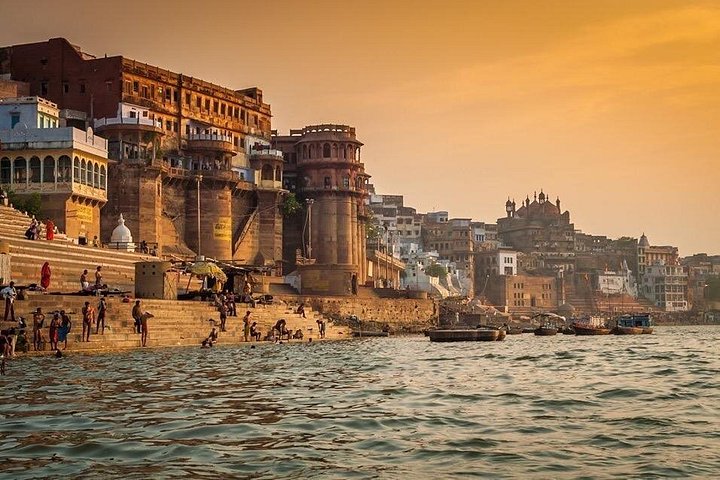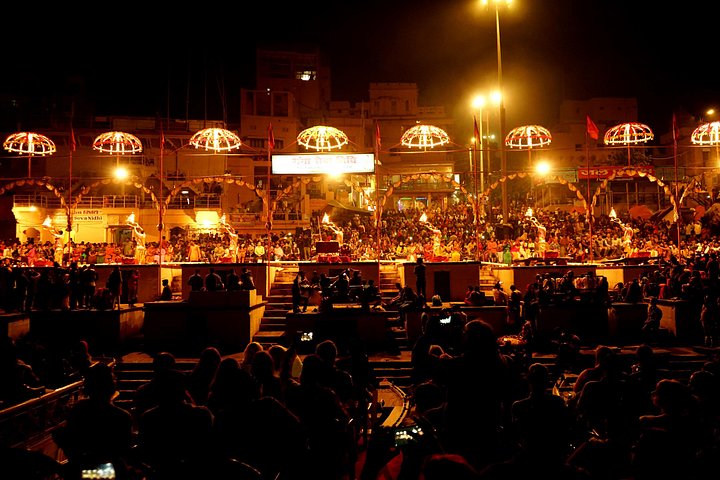
Few groups are as misunderstood as the Aghori, a small ascetic order of Shaiva practitioners who have long been linked with Varanasi and its cremation grounds. Popular accounts tend toward the lurid, but the tradition is more thoughtful than the stereotypes suggest. The Aghori follow a path that seeks to dissolve the distinctions between pure and impure, living and dead, sacred and profane, because they hold that the divine is present in everything. Their practices are meant to confront fear, attachment and disgust, and many members are also healers, teachers and social servants who run ashrams and charitable work. A guided experience on this theme aims to explain that background with care. It usually combines a walk through the older parts of the city with a talk on the history and philosophy of Shaiva asceticism, an explanation of how death is understood in Varanasi, and a visit to sites connected with the tradition, led by a guide who can answer questions and who knows which places can be approached and how. The emphasis is on context and respect rather than on spectacle: this is not a show, the people you may meet are practising a religion, and photographs of cremations and of individual ascetics are not appropriate unless clearly invited. For visitors who have heard the name and want to understand it properly, a knowledgeable guide makes all the difference.
Why do it? Because it gives meaning to something you will otherwise only glimpse from a distance. Varanasi is a city where death is not hidden, and the Aghori tradition is one of the ways its thinkers have chosen to face it. Learning about their stories, myths and philosophy turns a vague sense of mystery into an informed understanding of an old strand of Indian religious life, and it pairs well with time at the river and in the lanes.
How to do it
You meet your guide at an agreed point, usually in the old city, and the visit is largely on foot, so wear comfortable shoes that are easy to remove and clothes that cover shoulders and knees. Listen to the guide's instructions about where you may stand and what you may photograph, and keep your voice low in any place connected with mourning or with ascetics.
Do not offer money or gifts to individual ascetics unless your guide advises it, and decline politely if someone presses you. Ask any questions in a respectful tone and avoid treating the subject as entertainment. Be prepared for strong smells and sights near the burning grounds; if you are sensitive to these, tell the guide so the route can be adjusted.
Who it suits
Curious, mature visitors with an interest in religion, anthropology and the philosophy of death. It is not suited to young children or to anyone who wants a thrill. Pair it with a sunrise boat ride for the river itself, and with the old city lanes walk for the everyday side of Kashi.
Confirm with the operator when you book how long the experience runs, where it starts and what it covers on your date, and keep an open, respectful mind. The best outcome is not a dramatic story to tell but a clearer sense of how one city makes room for such different ways of seeking.
What to expect
The experience
A guided, respectful introduction to the Aghori tradition, with a walk through the old city and explanation of Shaiva asceticism and attitudes to death.
Best time
Late afternoon or early morning, when the lanes are cooler and the light is softer.
How long
Allow two to three hours at an easy walking pace.
Tips
Dress modestly, follow your guide on photography, never photograph cremations or individuals without clear permission, and keep an open, respectful attitude.
Quick picks
- Best for
- Thoughtful travellers who want to understand an often-misrepresented tradition.
- Families
- Not recommended for young children because of the subject matter.
- Couples
- Interesting for couples who like cultural and philosophical depth.
- Pair with
- A sunrise boat ride and the old city lanes walk.
- Time needed
- Two to three hours.
Good questions
Who are the Aghori?+
A small ascetic order of Shaiva practitioners traditionally associated with Varanasi's cremation grounds, who seek to transcend ideas of purity and impurity.
Is this tour sensational or graphic?+
It should not be. A good guide focuses on history, belief and context and treats the subject with respect.
Can I take photographs?+
Only where your guide says it is appropriate. Never photograph cremations, and always ask before photographing a person.
Is it suitable for children?+
Not usually. The subject touches on death and can be unsettling for young visitors.
What should I wear?+
Modest clothing with covered shoulders and knees, and comfortable shoes you can remove easily.