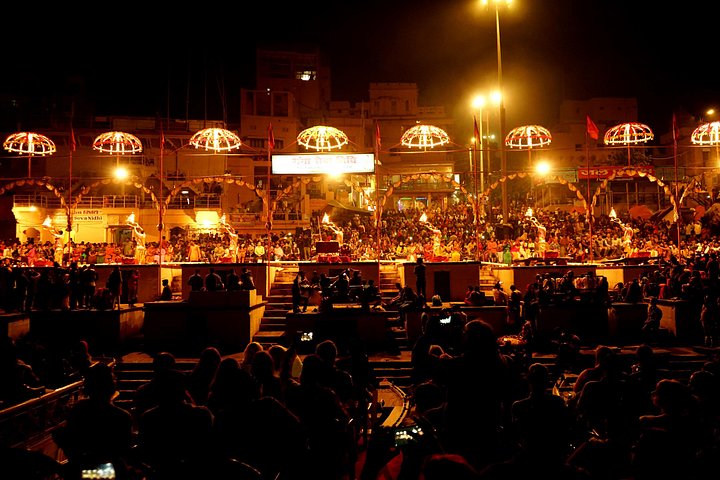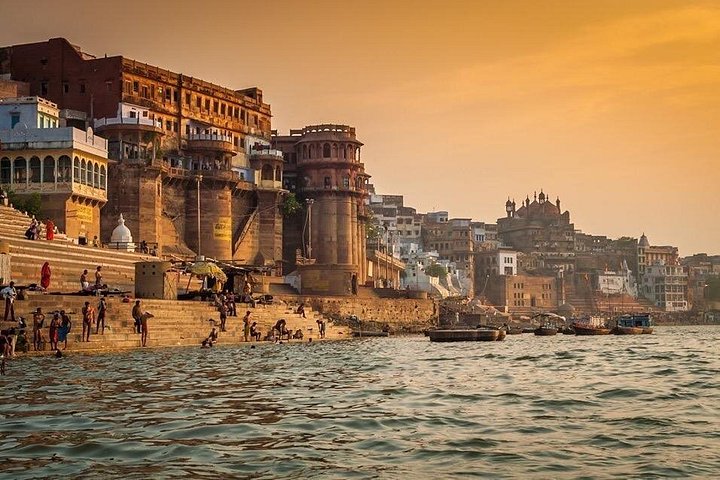
Kashi Vishwanath is the spiritual centre of Varanasi. The temple is dedicated to Shiva as Vishwanath, Lord of the Universe, and houses one of the twelve jyotirlingas, the holiest Shiva shrines in India. The present temple was rebuilt in the late eighteenth century by Queen Ahilyabai Holkar of Indore, and its spire and domes are covered in gold, which is why it is often called the Golden Temple. In recent years the area around it has been transformed by a wide corridor that connects the temple directly to the river at Lalita Ghat, replacing the dense lanes that used to crowd the approach, so pilgrims can now walk from a ritual bath in the Ganges straight to the sanctum. Inside, devotees queue to pour water or milk over the lingam and offer flowers, and the atmosphere is intense, crowded and devout. General entry is free, with paid special darshan options available for shorter waits. Non-devotional visitors are welcome to watch quietly, but this is a working temple with strict security, so a guided visit is a practical way to manage logistics. The private heritage tour linked here covers the temple and its surroundings with a local guide.
Planning matters more here than at almost any other site in the city. The temple publishes its own rules: gadgets and electronic items, including mobile phones, are not allowed inside the temple premises, and free lockers are provided near the entrances for bags and devices. Expect airport style security and orderly queues, with separate lines for general entry and paid darshan options. Visiting hours run from the early hours of the morning until late evening, with breaks for rituals, and the schedule varies on festival days, so check the temple's own site before you go.
Choosing a time is the biggest decision. Early morning is calmer and cooler and lets you pair the temple with a river bath or boat ride, while weekends, Mondays sacred to Shiva, festival days and the Hindu month of Shravan bring enormous crowds and long waits. If you prefer to avoid queues, consider a weekday visit outside festival periods, or hire a guide who knows when lines are shortest. Dress modestly, remove shoes before entering the complex, and follow instructions from security and temple staff without argument.
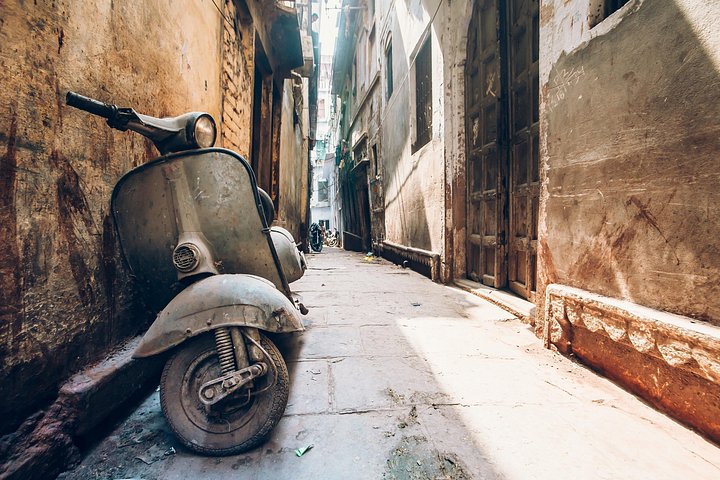
What else to see on the same trip: the corridor and its riverfront entry at Lalita Ghat are worth walking for their sheer scale and for the contrast with the old lanes beside them. Nearby, smaller temples including the Annapurna shrine draw their own crowds. Keep your expectations realistic: this is a place of devotion first and a sight second, and you will be surrounded by worshippers rather than other tourists.
Be patient, move with the flow of the line, and accept that you will not photograph the inner sanctum. Many visitors say the shared devotion, rather than the architecture, is what stays with them.
What to expect
The experience
A visit to a working pilgrimage temple and its riverside corridor, with security checks, a queue and lockers for phones and bags, best done with a guide.
Best time
Early morning on a weekday outside festivals, when queues are shortest and the lanes are cooler.
How long
Plan one and a half to three hours depending on the queue and how much of the corridor you explore.
Tips
Leave phones and bags in the lockers, dress modestly, remove shoes and avoid weekends, Mondays and festival days if you dislike crowds.
Quick picks
- Best for
- Those who want to see Hindu devotion at its most intense, and anyone interested in Varanasi's religious heart.
- Families
- Possible with older children, but queues are long and crowded, so patience and snacks outside are essential.
- Couples
- A meaningful early morning when paired with a river visit, though not a quiet or romantic setting.
- Pair with
- Link it with the old city lanes walk and a ghats heritage walk, since all three sit within a short distance.
- Time needed
- Allow a half day with queues, less with a guide.
Good questions
Is entry to Kashi Vishwanath free?+
General entry is free. Paid special darshan options exist for a shorter wait, and prices and rules are set by the temple, so check its website.
Can I take my phone inside?+
No. The temple rules prohibit gadgets and phones inside the premises, and free lockers are available near the entrances.
What are the temple hours?+
The temple opens in the early hours and closes late at night, with breaks for aarti and rituals. Hours can change on festival days, so confirm before your visit.
What should I wear?+
Modest clothing that covers shoulders and knees, and footwear you can remove easily. Lockers will hold bags and shoes.
Is the temple very crowded?+
It can be extremely crowded on weekends, Mondays, festivals and during Shravan. Weekday mornings outside festival periods are the easiest.