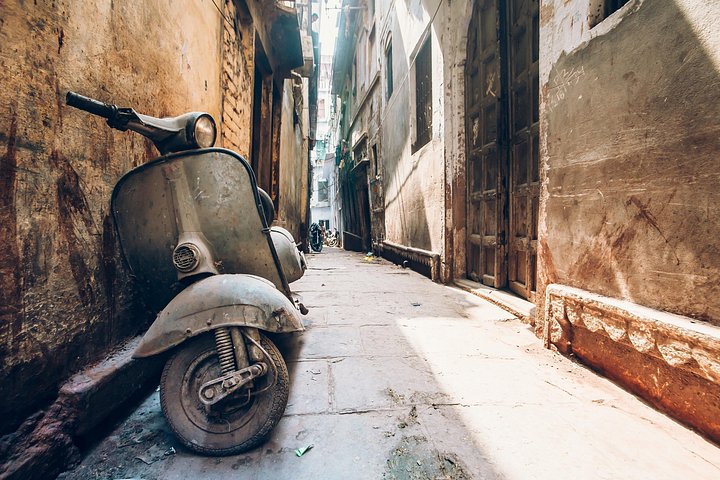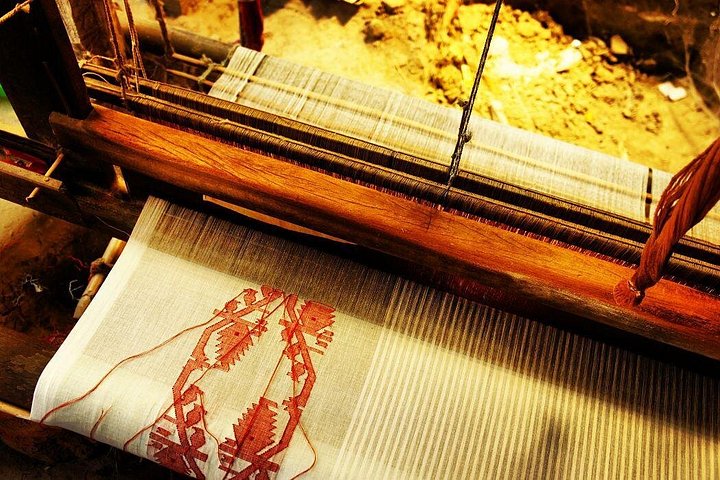
Beyond the tourist stretch of the ghats, the northern part of the old city is a working bazaar quarter whose lanes are organised by trade, much as they were centuries ago. A single narrow street may be devoted to brass and copper vessels, another to spices and dried goods, another to garlands, incense or sweets, and others to bangles, paper, betel leaf or the thread and tinsel used in festival decoration. These are largely wholesale markets that supply the shops and temples of the whole region, which gives them a purposeful, unstaged energy that is quite different from the souvenir stalls near Dashashwamedh Ghat. A guided walk takes you through the maze with someone who knows what each lane sells, who runs the oldest shops, which stalls make the freshest sweets and how to step aside for porters and handcarts. Along the way you learn how the markets connect to the religious calendar, why marigolds and clay lamps are in such demand, and how families have held the same trades for generations. Expect to taste a few snacks or a cup of tea, to watch craftsmen at work and to see the city from the angle of commerce rather than of ritual. It is a good activity for the middle of the day or the late morning, when the markets are at their busiest.
Why go? Because the bazaars show how Varanasi actually functions. The city is a pilgrimage centre, but pilgrimage needs supplies, and the markets are where those supplies are made, traded and carried. You will hear the sound of hammers on brass, smell cardamom and frying oil, and see flower sellers stringing garlands at speed. The walk is rich in photographs and small conversations, and it is a rare chance to step beyond the visitor circuit.
How to do it
Wear comfortable closed shoes and light clothing that covers shoulders and knees, and carry a small bag that closes securely. The lanes are narrow and crowded, and motorbikes, handcarts and porters move quickly, so follow your guide's lead and keep to the side when you hear a horn or a shout.
Bargaining is part of buying, so if you want to purchase something, ask your guide about fair prices and take your time. Eat only from stalls your guide recommends, and keep drinking water with you. Ask before taking photographs of shopkeepers or workers, and be ready to pause if someone prefers not to be pictured.
Who it suits
Curious travellers, food and craft lovers, photographers and anyone who prefers to see how a city lives rather than how it presents itself. It is less suited to visitors who dislike crowds, noise or strong smells, and it is not easy for wheelchairs or pushchairs because of the narrow, uneven lanes. The pace is slow, and breaks for tea are normal.
Combine it with the old city lanes walk for a fuller picture of the neighbourhoods, or with the street food crawl if you want more tasting. Confirm with the operator when you book the meeting point, the length of the route and whether the guide can focus on a particular trade such as textiles or sweets.
What to expect
The experience
A guided walk through the old wholesale bazaars of northern Varanasi, with stops at specialist lanes, workshops and snack stalls.
Best time
Late morning, when the markets are busiest and most colourful, though early morning is cooler.
How long
Allow around two and a half to three hours at a slow pace.
Tips
Wear closed shoes, keep your bag secure, make way for porters and carts, and ask before photographing workers.
Quick picks
- Best for
- Curious travellers, photographers and craft or food lovers who want to see working Varanasi.
- Families
- Fine for older children who enjoy markets, but crowded and noisy for little ones.
- Couples
- A lively, slightly offbeat way to spend a morning together.
- Pair with
- The old city lanes walk or the street food crawl.
- Time needed
- Two and a half to three hours.
Good questions
What will I see in the northern bazaars?+
Lanes devoted to brass, spices, flowers, sweets, bangles and other trades, many of them wholesale markets serving the whole region.
Is it a shopping tour?+
No, but you can buy things if you wish. Your guide can advise on fair prices.
Is it very crowded?+
Yes, especially in the late morning. The lanes are narrow and busy with porters and carts.
Can I taste food along the way?+
Usually, at stalls your guide recommends. Tell the guide about any dietary needs in advance.
Is it accessible for wheelchairs?+
Not easily. The lanes are narrow, uneven and often crowded.