Varanasi is usually sold through its river and its temples, but the city is just as famous for what its people make and perform: classical music that has shaped the sound of India, silk woven on hand looms for centuries, yoga and meditation practised on the same stone steps for generations, and a food culture built around the home kitchen. If you want to see the city beyond the headline sights, or you are returning for a second visit, this guide shows how to build days around its living culture.
Music
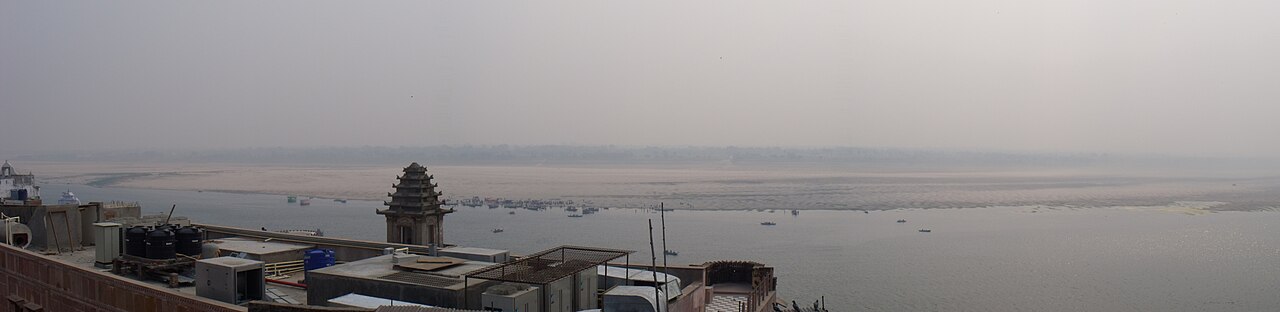
The Banaras gharana is one of the great traditions of Indian classical music and dance, and Varanasi has long been a place where musicians learn, practise and perform. You can hear it in many forms: a live performance on a sunrise boat, a concert in a small hall or courtyard, and the morning programme of music and chants at Assi Ghat. The sunrise boat with live classical music is the easiest way in, because it combines the best light on the river with a performance that suits the hour. If you want a more formal evening, look at the live classical concert options, and arrive early, since small venues fill quickly. Even a beginner can enjoy it; you do not need to know a raga to feel the mood.
Silk and craft
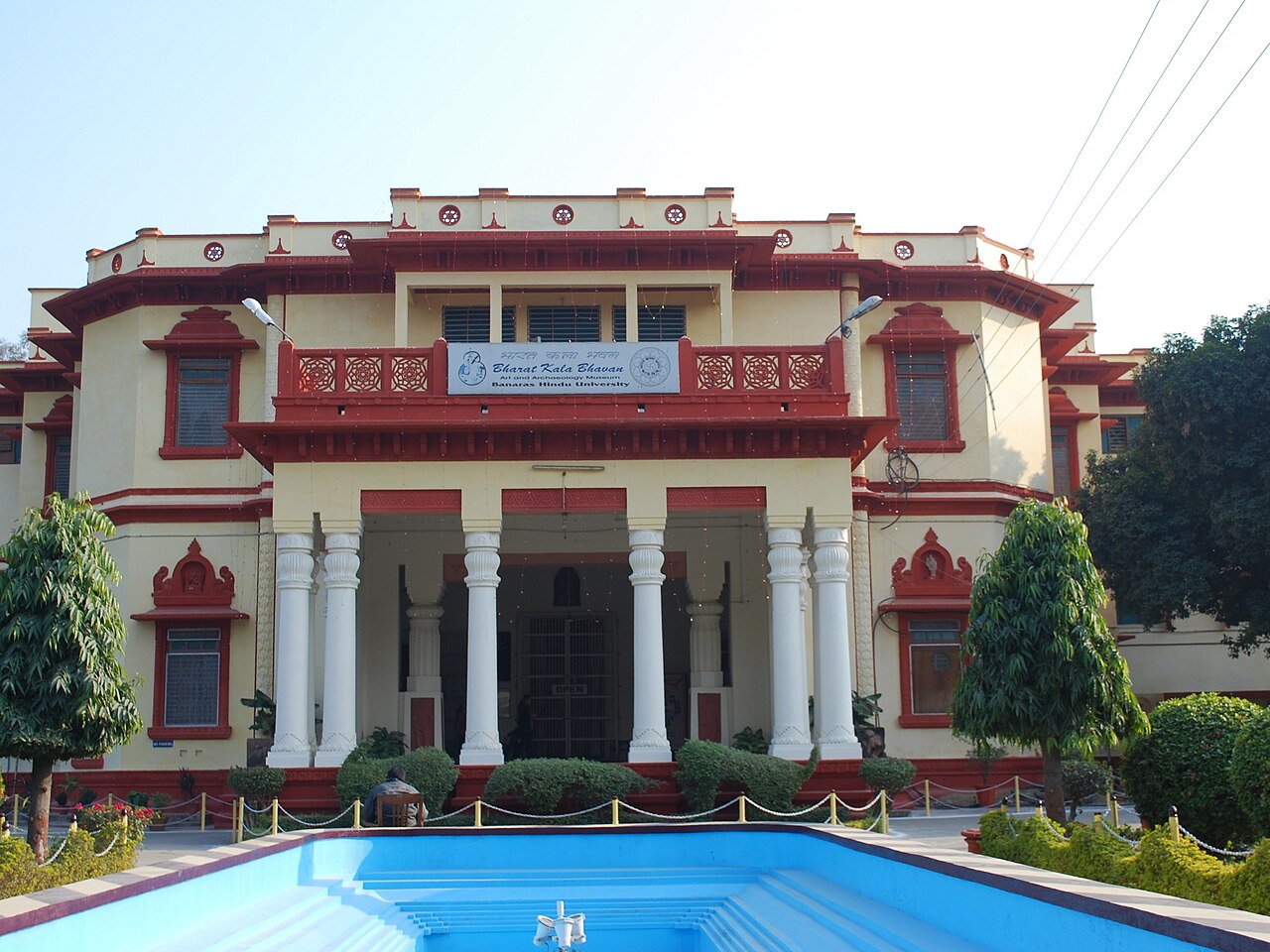
The brocades of Banaras are among the most celebrated textiles in India, woven with gold and silver thread and often passed down through families. A guided textile tour takes you into the weaving quarters, where you see a loom set up, hear how a pattern is planned and learn how to tell hand-woven pieces from machine copies. It is the best way to shop with confidence, and many visitors find that the human story is more memorable than the purchase itself. Add a visit to Bharat Kala Bhavan on the university campus, where textiles, miniature paintings and sculpture show the long history of the craft in context.
Yoga and stillness
Varanasi is one of the places where yoga and meditation practices have been taught and lived for centuries, and a morning session on the ghats is a very different experience to a studio class. Teachers typically combine postures, breathing and a short period of silence, with explanations of the traditions behind them. A three hour session on the steps is an excellent way to begin a day, and it pairs naturally with a sunrise boat ride and a slow breakfast. If you are staying several days, consider one calm morning each trip, because the city is intense and a quiet practice helps you absorb it.
Food as culture
Street food shows you the city on the move, and a cooking class shows you how it eats at home. In a family kitchen you learn how spices are tempered, how lentils and vegetables are balanced and why meals are often served in a certain order, and you sit down to eat what you cook. Combined with a street food crawl, a class gives you a full picture of Varanasi cuisine, from the stall to the table. Many visitors say it is the activity they would repeat, and it is easy to fit into an afternoon.
Walking and storytelling
Beyond the main heritage walk, consider themed walks that follow a single idea, such as the lanes of the old city, the ghats at dawn or the quieter southern temples. A guide who knows the stories behind a shrine, a mosque or a courtyard turns a walk into a conversation with the city. Set aside a morning for one walk and leave time to sit, drink chai and let what you have seen settle.
A sample day
Start before dawn with a sunrise boat and live music, then go to Assi Ghat for the morning programme and a simple breakfast. Join a yoga session or a short rest, then spend the early afternoon on a textile tour and a visit to Bharat Kala Bhavan. In the late afternoon take a cooking class or a street food crawl, and finish at the evening Ganga Aarti at Dashashwamedh Ghat. This is a full day, so you may prefer to spread the pieces across two, with a lighter afternoon in between.
Seasons and timing
The cooler months from October to March suit outdoor activities such as yoga and boat rides, with comfortable mornings and clear light. Summer is hot, so keep outdoor sessions to dawn and use the afternoon for indoor activities such as a textile tour or a cooking class. During the monsoon the river rises and some steps are underwater, which can move yoga and boat activities elsewhere, while indoor culture continues as usual. Festivals add music, lights and crowds, and a few weeks of preparation make a big difference to bookings and rates.
Where to base yourself
For music and ghat mornings, an old city or ghat-side hotel puts you close to the river at the hours that matter. For rail access and value, a property near the station works, and for quiet, space and gardens, Nadesar and the Cantonment are calmer. The where-to-stay guide compares the areas in more detail.
The slow approach
The best way to experience the culture of Varanasi is to choose a few activities and let them breathe. Talk to your teachers, weavers and hosts, ask questions and be curious. People here are proud of their traditions and generous in sharing them, and the best memories often come from the conversations that run beyond the planned hour.