Varanasi can be visited all year, but the experience changes sharply with the seasons. The river rises and falls, the temperatures swing from cold mornings to extreme heat, and festivals can double the crowds in a day. Choosing the right time makes the difference between a pleasant walk along the ghats and a tiring slog, so here is a plain season-by-season guide, with the festival pattern that shapes demand and prices.
Winter, from November to February: the best season
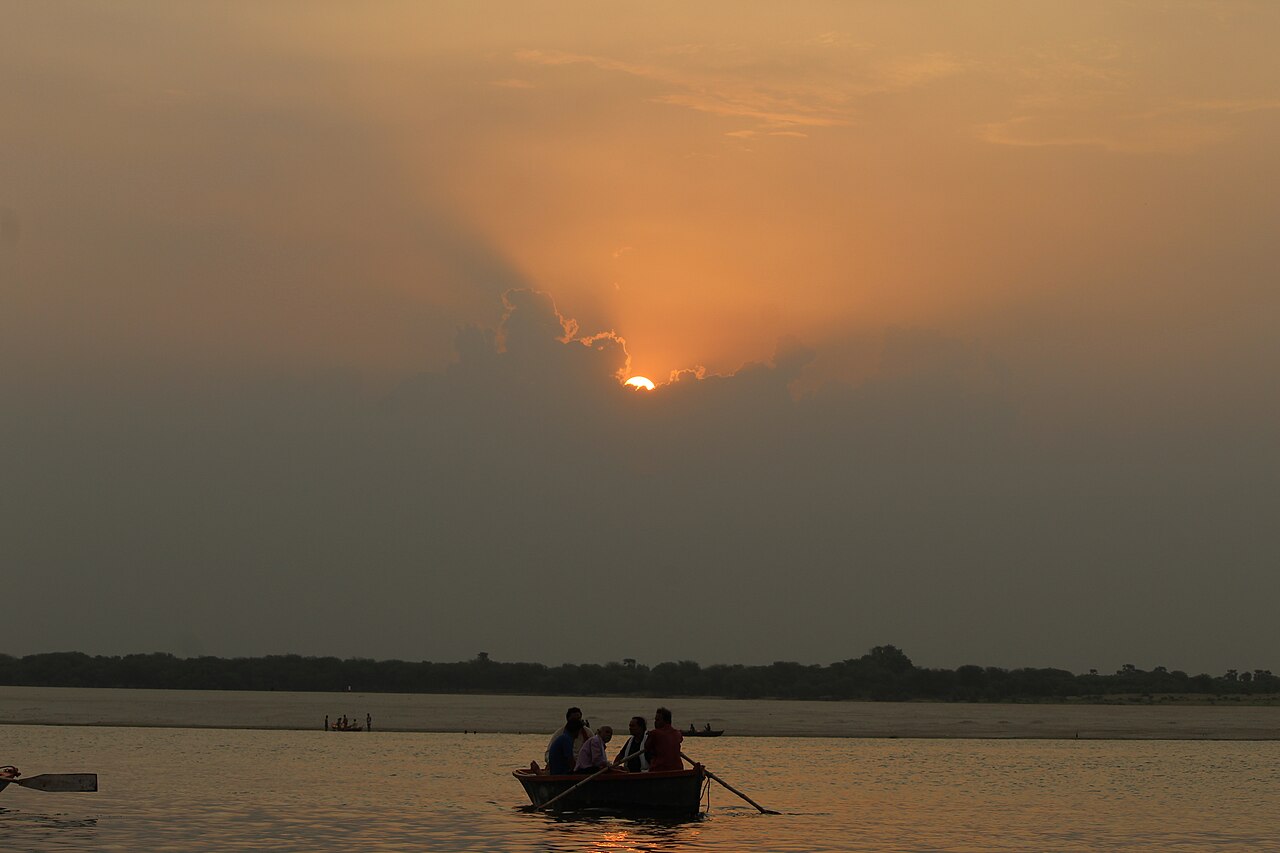
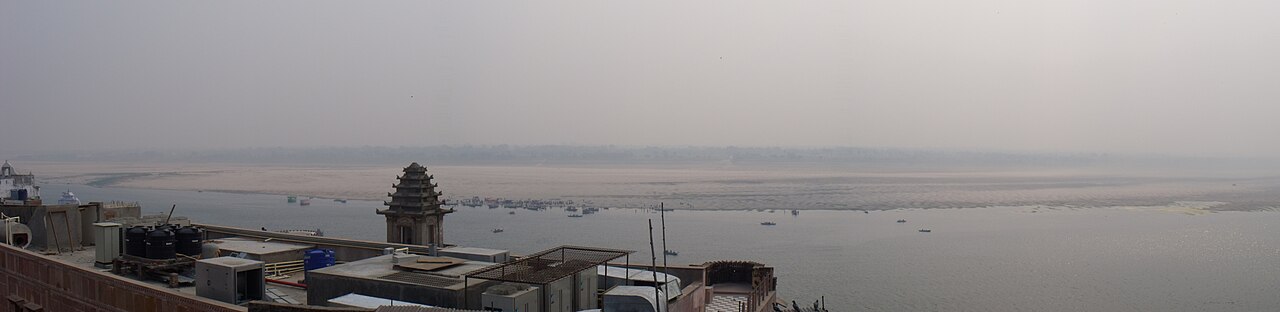
This is the main tourist season, and for good reason. Days are mild and dry, and mornings are cool enough that a sunrise boat feels refreshing rather than punishing. In December and January, mornings can be genuinely cold, with temperatures dropping to around five degrees Celsius at night according to the Incredible India tourism page, and mist or fog sometimes hangs over the river at dawn. Bring warm layers, a scarf and a light waterproof for the boat, and expect that fog can delay trains and flights, so avoid very tight connections. Hotels are most expensive and busiest in this season, so book early, especially for the weeks around major festivals.
Spring, from late February to March: a pleasant shoulder season. Temperatures rise but remain comfortable for most of the period, and the festival calendar is rich. Mahashivratri, the great night of Shiva, brings huge crowds to the Kashi Vishwanath area, and Holi, the festival of colours, is celebrated with great energy in the city. Both are exciting and also chaotic, with crowded lanes and disrupted transport. If you want to see them, book accommodation well in advance and be prepared for noise and crowds. If you prefer calm, choose dates outside the festival days.
Summer, from April to June: hot and best avoided
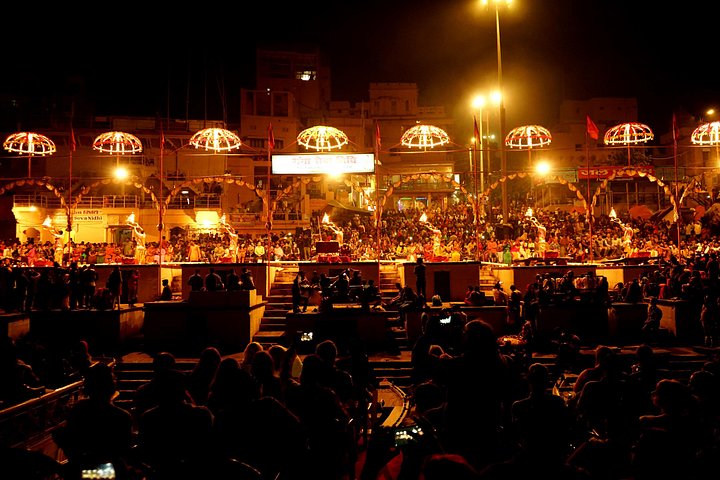
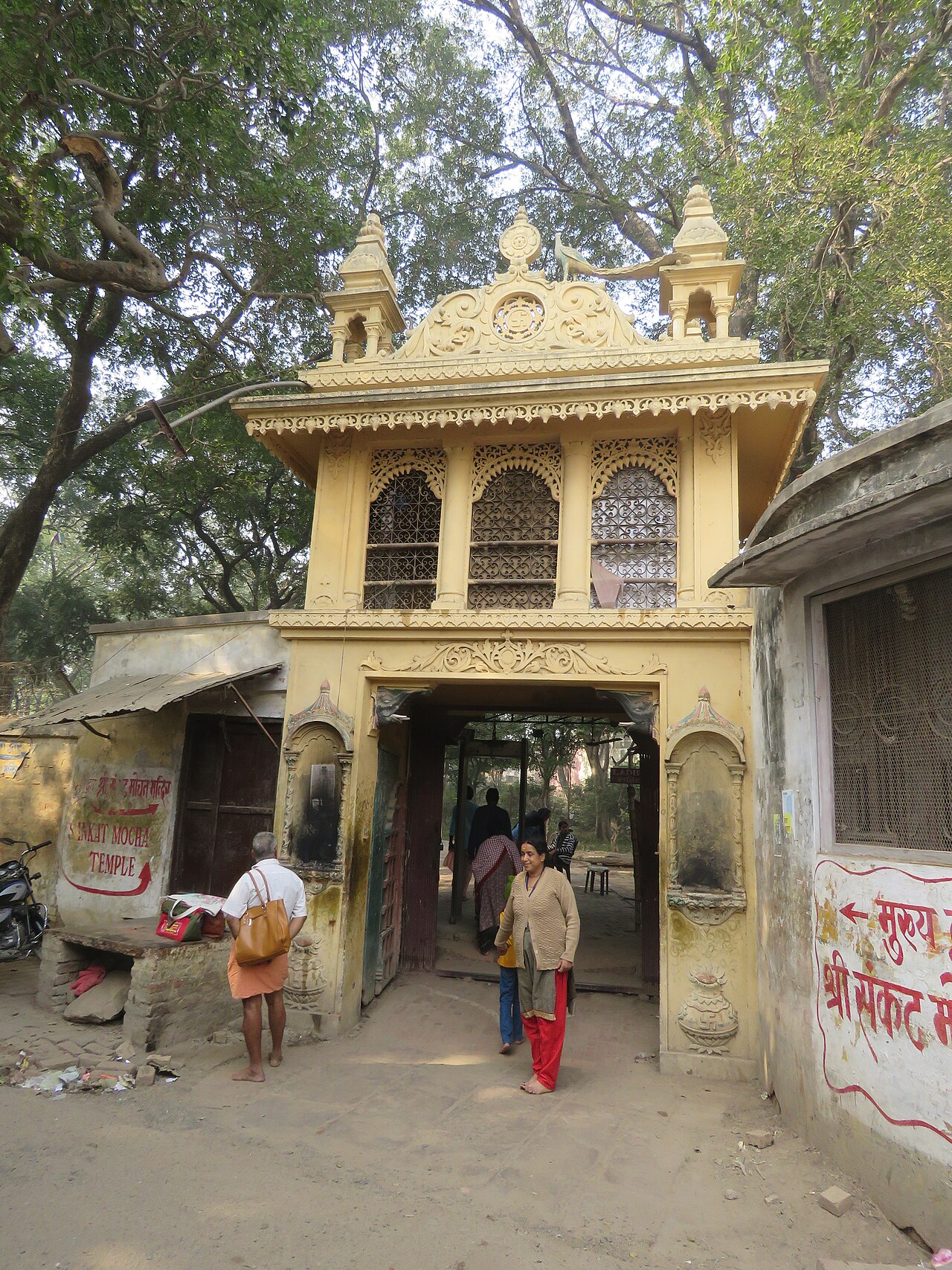
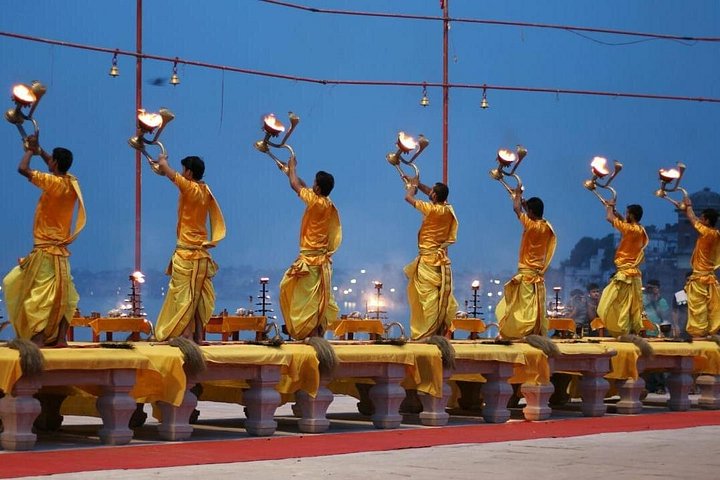
Temperatures can rise above forty degrees Celsius, according to the tourism page, and the middle of the day is dangerously hot. The mornings are still bearable on the river, and the evening aarti remains atmospheric, but sightseeing between ten and four is exhausting. Visitors who come in this season should start before dawn, rest through the afternoon, drink plenty of water and carry sun protection. The compensation is lower hotel prices and thinner crowds. The Sankat Mochan Sangeet Samaroh, a festival of classical music and dance held each April at Sankat Mochan Temple, is a reason to come for those who love Indian music.
Monsoon, from July to September: high water and humidity
The rains swell the Ganges, and the lower ghats go under water. Boat rides may be restricted or run on altered routes for safety, the aarti may move to higher ground and the steps become slippery. The air is humid and the city is green, but the rhythm of ghat life is disturbed. The upside is fewer visitors and lower prices, and the first weeks of the rains are a relief after the summer. If you come in this season, check river conditions with your hotel before booking boats, pack a rain jacket and quick-dry clothes and be flexible.
Autumn, from October to early November: the season reopens
After the rains the river falls, the ghats re-emerge and the air clears. October brings Navratri and Dussehra, with processions and special decorations, and the temperature becomes pleasant by the end of the month. Late October and November are an excellent time to visit before the peak winter prices set in. In November, Dev Deepawali, held on the full moon of the month of Kartik, floods every ghat with thousands of oil lamps and is one of the most beautiful sights in India, but it is also one of the most crowded. If you want to see it, book very early and expect to move on foot.
What to pack
For winter, bring layers, a warm hat and gloves for the boat and closed shoes. For summer, bring light cotton clothing that covers shoulders and knees, a hat, sunglasses, strong sunscreen and a refillable bottle. For the monsoon, bring a rain jacket, sandals that grip and a waterproof bag for your phone. In every season, carry hand sanitiser, tissues and small notes for tips and chai.
The short answer
If you can choose, go in late October, November or February, when the weather is comfortable and the river is calm, and decide in advance whether you want a festival or a quiet visit. If you must go in the heat, plan every day around the early morning and the evening. If you go in the monsoon, keep your plans flexible and enjoy the quieter city. Whichever season you choose, the ghats at dawn remain the best hour of any day.