Three days is the sweet spot in Varanasi. It is long enough to see the river at dawn and dusk, to spend a morning lost in the lanes, and to leave the old city for a quieter half day, yet short enough that the intensity of the place does not wear you down. This itinerary groups sights by area so that you spend your time looking rather than sitting in traffic, and it leaves gaps for rest, because the city rewards a slow pace more than a packed one.
Day one: the river
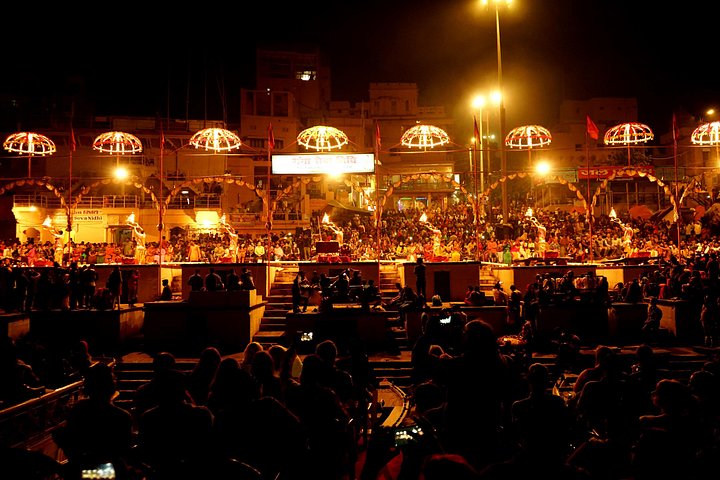
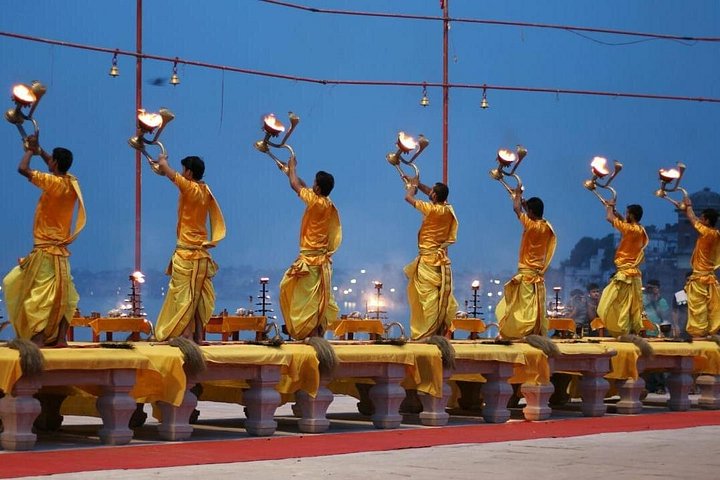
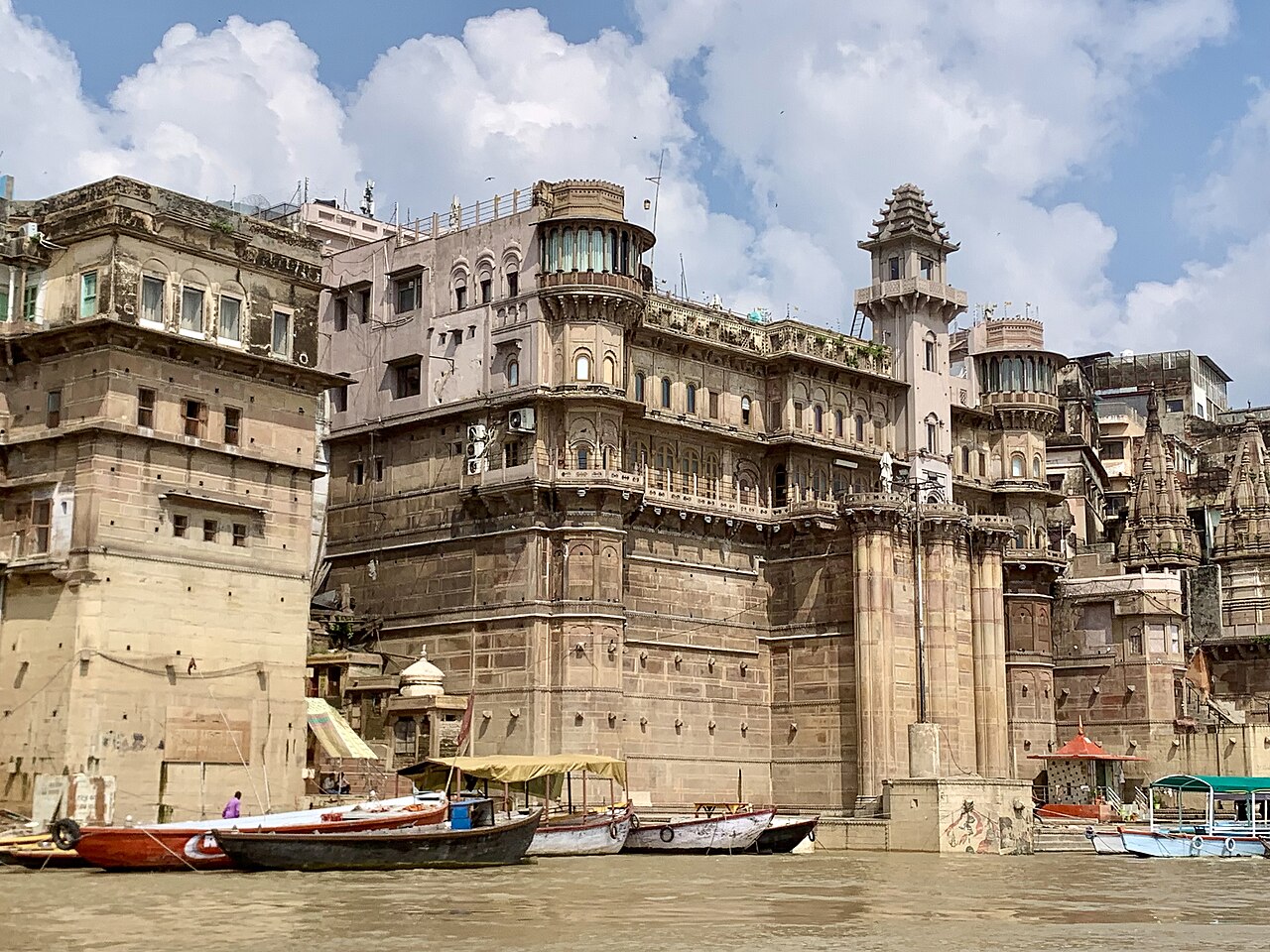
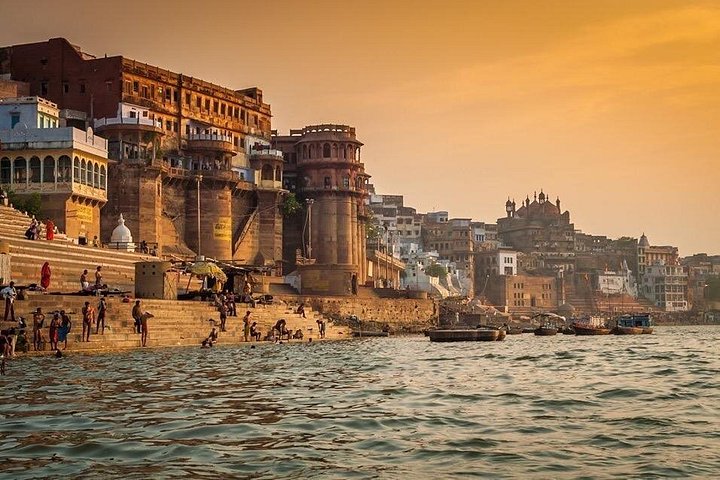
Start before sunrise with a rowing boat from the ghats, the single best experience in the city. The light on the water, the bathers on the steps and the long line of palaces and temples is hard to forget, and a morning boat is calmer than an evening one. Stay on the water for about two to three hours, then climb back for breakfast and a rest. In the late morning, walk the ghats on foot with a guide, taking in the architecture of Man Mandir Ghat and its stone observatory, and the riverside lanes behind it. Rest through the heat of the afternoon. In the evening, arrive at Dashashwamedh Ghat early for the Ganga Aarti, because the best places on the steps fill up an hour or more before sunset. Watch from the steps for atmosphere or from a boat for a view of the lamps. Remember that the cremation ghats are close to this stretch, so do not photograph cremations or pyres and keep your voice low.
Day two: the old city, the temple and the food
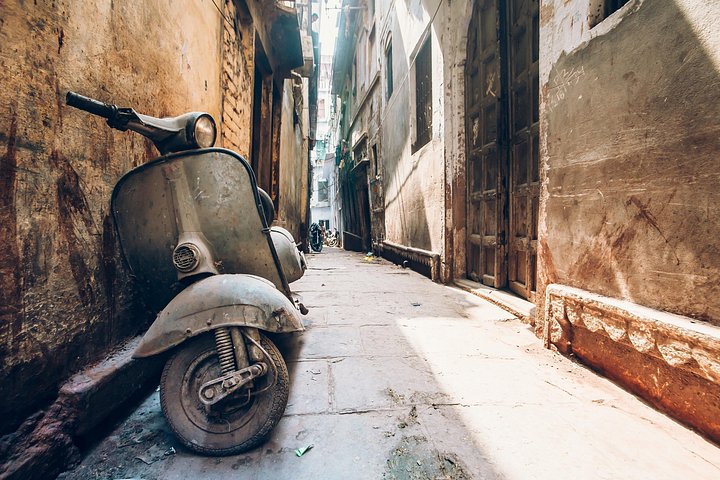
Spend the morning in the lanes behind the ghats, which are best explored on foot with a local guide because they are a maze of shrines, silk shops, sweet makers and tiny courtyards. Visit the Kashi Vishwanath Temple, one of the most important Shiva temples in India, either early in the morning or in the late afternoon, and allow for queues and security checks, because phones and bags are not allowed inside and you will need to use lockers. Around midday, take a break, then in the afternoon join a street food walk through the old city to taste kachori, chaat and sweets in the places where local people eat. If you still have energy, drive to Banaras Hindu University for the collections of Bharat Kala Bhavan, which holds miniature paintings, sculpture and textiles, and walk around the university campus, which is green and calm.
Day three: Sarnath and the southern city
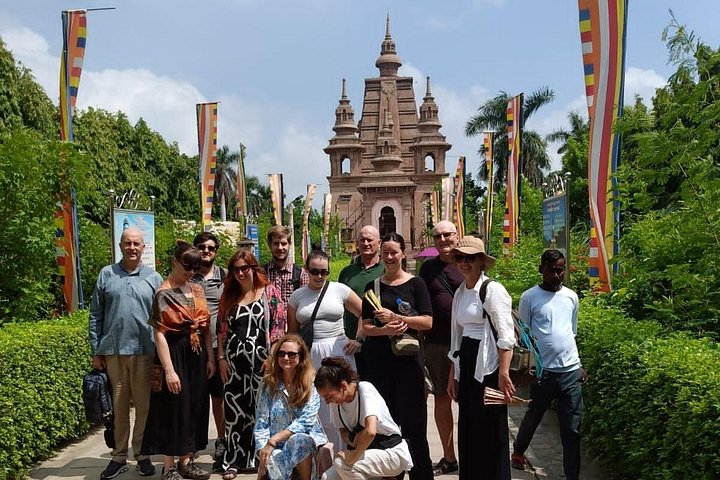
Go to Sarnath in the morning, about thirty to sixty minutes by road depending on traffic. This is where the Buddha gave his first teaching, and the grounds are quiet, leafy and full of excavated foundations and a large stupa. Confirm the closing day of the museum before you go, because Indian museums often close one day a week. Return in the late morning and spend the afternoon in the southern part of the city, where several temples sit close together: Sankat Mochan, the red Durga Temple beside its tank, the white marble Tulsi Manas Temple and the unusual Bharat Mata Mandir with its marble map of India. Finish at Assi Ghat for sunset, a cup of tea on the steps and the quieter, more local side of the riverfront. If you prefer a calmer finale, skip the temples and spend your last afternoon at Ramnagar Fort across the river, which shows the history of the royal family of Banaras.
Practical points
Plan your days around the early start, because the best light, the coolest temperatures and the thinnest crowds are all before breakfast. Dress modestly, with shoulders and knees covered, and wear shoes you can slip off easily. The ghats and old city are for walking, and vehicles stop short of many lanes, so allow extra time for the last stretch. Carry small notes for tips and chai, drink only bottled or filtered water and agree prices for boats and rickshaws before you set off. Do not bathe in the river or drink from it.
Where to base yourself
For the full experience, stay on or near the ghats for at least the first two nights. Southern options near Assi Ghat are calmer, central ones near Dashashwamedh are best for the aarti and the lanes, and a heritage palace on the river is the splurge of the trip. If you prefer space and parking, the districts west of the old city are easier but add driving time to every outing. The where-to-stay guide compares the areas in detail.
If you only have two days
Combine days one and two, keeping the sunrise boat, the evening aarti, the lanes and the temple, and choose either Sarnath or the southern temples as your extra half day. If you have four days, add a day trip to a fort, a Buddhist site or a nearby city, or simply repeat a morning at Assi Ghat. The honest advice is to leave time to sit down. The best moments in Varanasi are often unplanned: a conversation on the steps, a procession in a lane, a cup of tea at a stall.