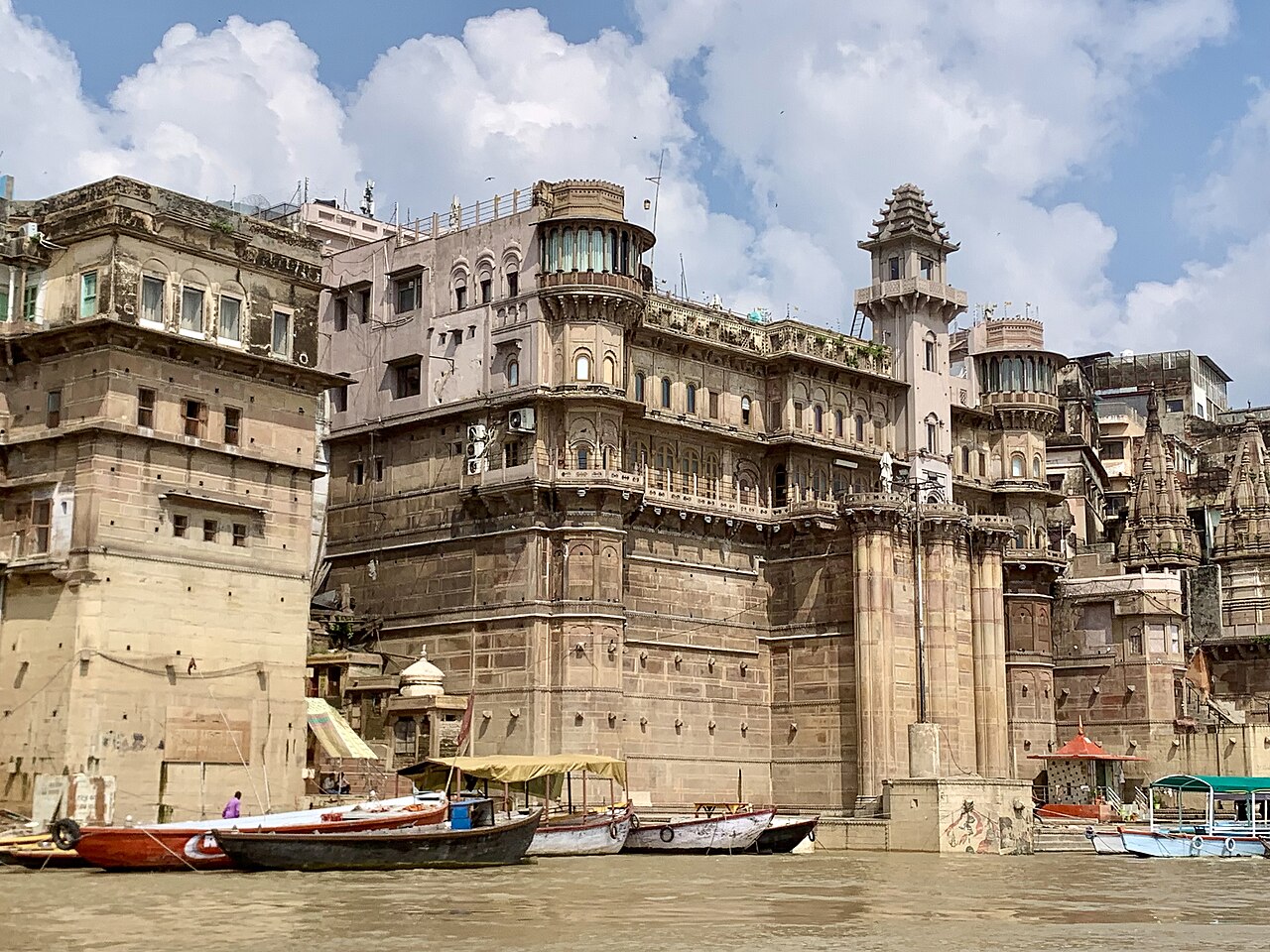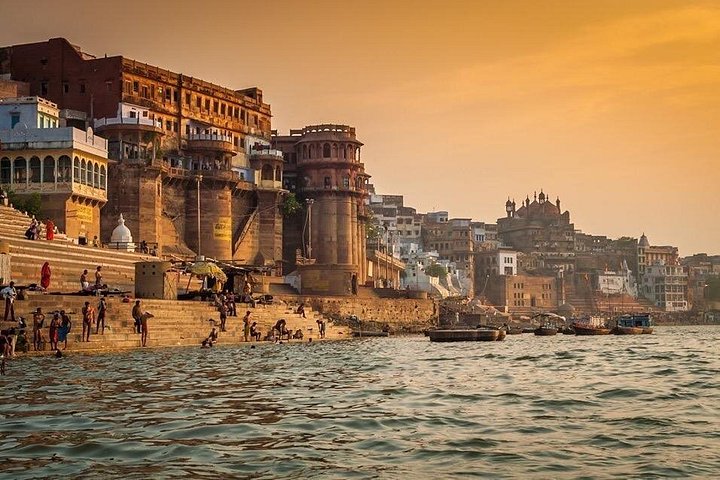
Varanasi is one of the oldest continuously inhabited cities in the world and the holiest in Hinduism, built along the western bank of the Ganges in a long curve of stone steps called ghats. It is intense, crowded, noisy and unforgettable, and it rewards visitors who arrive prepared. This guide covers what to book, how to move around and how to shape two to three days, so that the city feels exciting rather than overwhelming.
What to book ahead
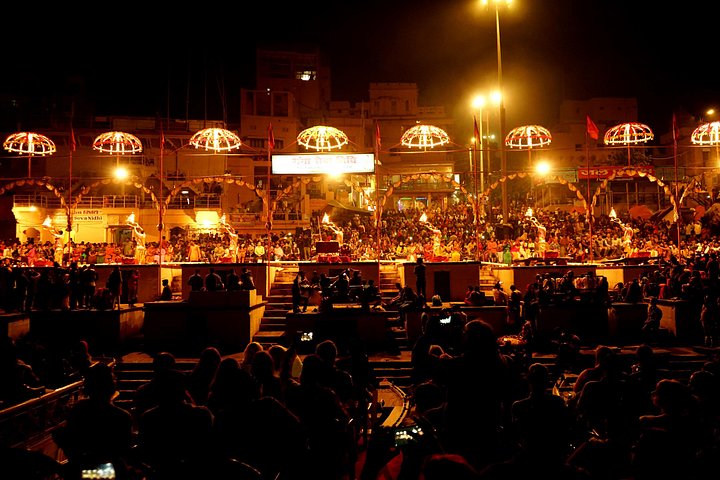
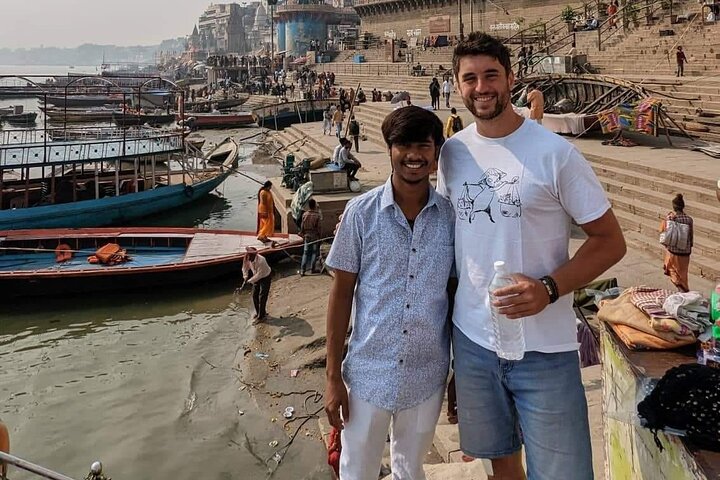
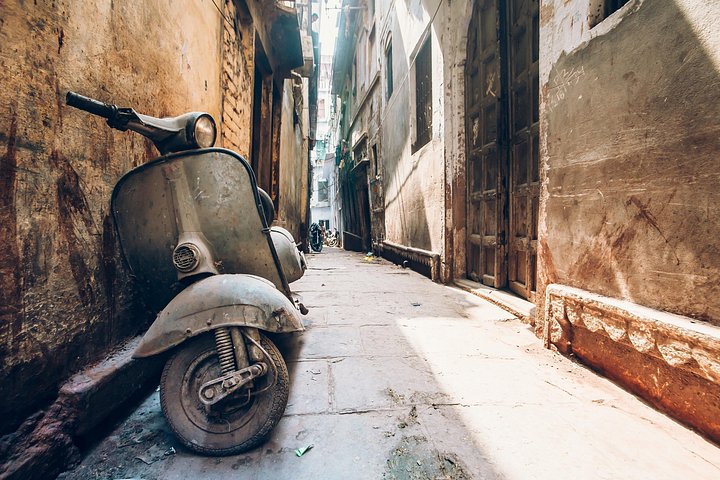
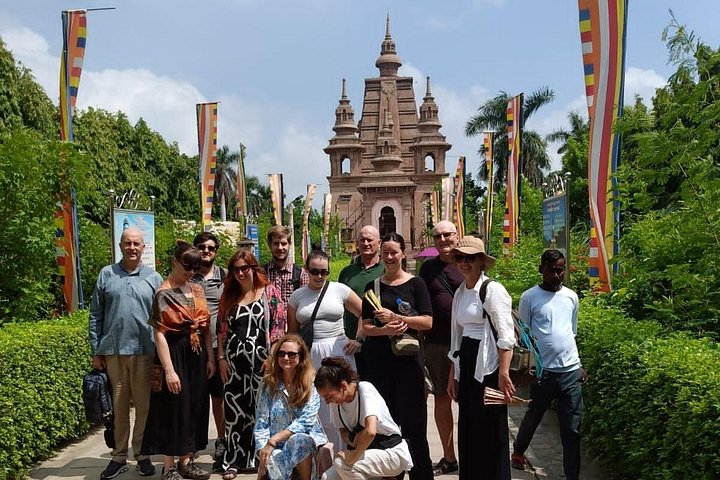
Very little needs reserving weeks in advance, but a few things make the trip smoother. Book a sunrise boat ride, because the river at first light is the single best experience in the city and the Varanasi Morning Boat Tour is an easy way to fix the price and the meeting point. Book a guided evening to watch the Ganga Aarti at Dashashwamedh Ghat if you want a good vantage point. Book a guide for the old city lanes and the ghats, since the maze is hard to read alone. Keep Sarnath flexible as a half-day trip and confirm the museum's closing day. If you want to enter Kashi Vishwanath Temple, read the temple's own rules before you go, because phones and gadgets are not allowed inside and you will need to use the lockers.
How many days
Two full days cover the essentials, and three allow a gentler pace. Day one is the river: a sunrise boat, breakfast and a ghats heritage walk, a rest at midday, then the evening Ganga Aarti. Day two is the old city and the temple: the lanes, a street food crawl and a visit to Kashi Vishwanath in the morning or the late afternoon. Day three, if you have it, is Sarnath in the morning and the museum at Banaras Hindu University or Ramnagar Fort in the afternoon, with a calm sunset at Assi Ghat.
Getting around
The ghats and the old city are best on foot, because vehicles cannot enter the lanes. Between areas, use taxis, app rides or auto-rickshaws, and agree fares before boarding if there is no meter. Traffic is heavy at midday and in the evening, so allow extra time for the aarti and for early morning boats. Many hotels offer a driver for a full day, which is the easiest way to combine Sarnath, the university and the fort. At night, keep to well lit lanes and ask your hotel for the safest route home.
Etiquette and cremation ghats
Varanasi is a place of worship and of mourning, and behaviour matters. Dress modestly with covered shoulders and knees, remove shoes at temples, ask before photographing people and keep your voice low near rituals. Manikarnika and the other cremation ghats are active places of funeral rites. Do not take photographs of cremations or pyres, do not approach the pyres, and step aside for funeral processions in the lanes. Guides will describe what is happening from a respectful distance. Anyone who offers to take you closer for a fee is not someone to follow, and anyone claiming a mandatory donation is being pushy.
Health and comfort
Drink bottled or filtered water, eat freshly cooked food, and wear closed shoes that you can remove easily. Do not bathe in or drink the river water. Carry small notes for tips and chai, hand sanitiser and sun protection. The best months are generally October to March, with cool mornings, and the winter can bring mist and chill at dawn, so bring layers. Summer is very hot and the monsoon brings high water that can limit boating.
Where to stay
For atmosphere, stay in the old city or on the ghats, for example BrijRama Palace, Amritara Suryauday Haveli or Hotel Alka. For calm, space and parking, choose Taj Ganges in Nadesar, or the Radisson Hotel Varanasi in Cantonment for an easy, reliable base. The where-to-stay guide compares the areas in more detail.
The honest advice
Do less than you think. Varanasi gives more when you slow down, sit on the steps with a cup of chai and watch the river. Choose two or three anchors each day, leave gaps and let the city surprise you. Expect to be approached by touts and boatmen, say no politely and keep walking, and remember that the intensity is part of the place.