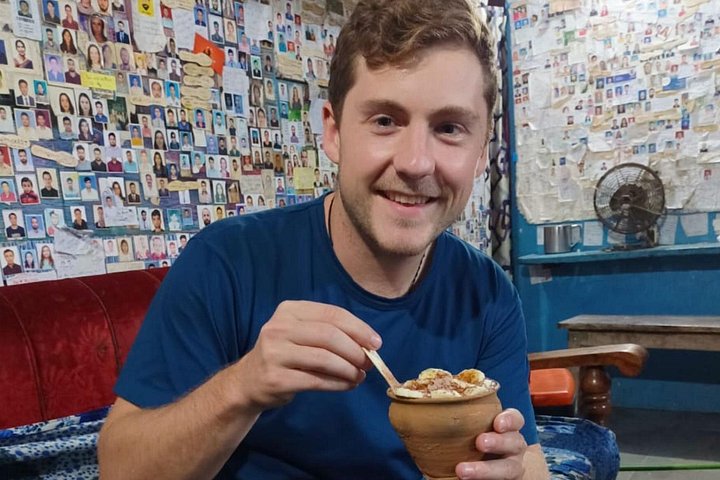
Varanasi is one of the best food cities in northern India, and its cooking is shaped by its religious character. The old city is largely vegetarian, the street food is cheap and varied, and the sweets are famous. You do not need a restaurant list to eat well here. You need curiosity, a strong stomach built up gradually and a few rules about where to look. This guide covers the dishes to seek out, how the day's eating usually runs and how to keep yourself well while you taste.
Breakfast
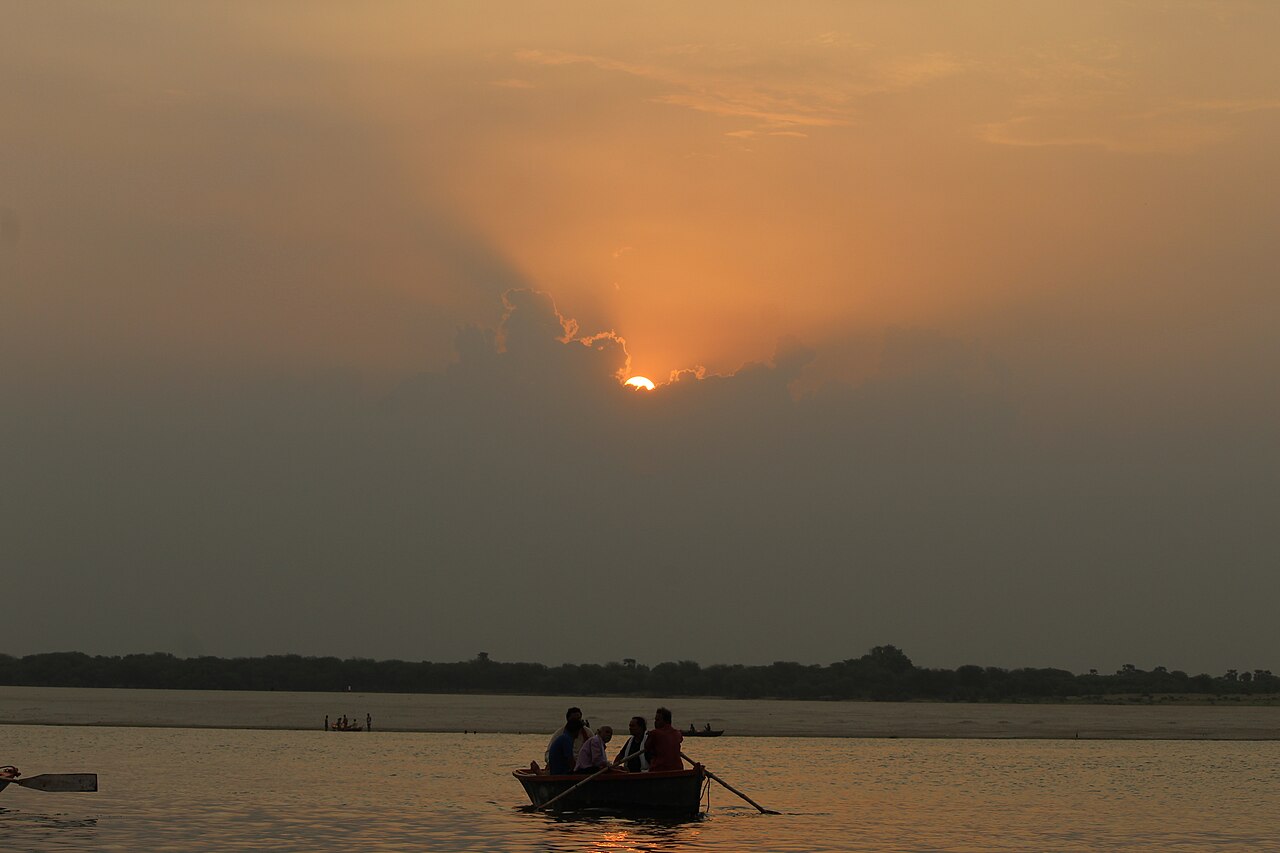
The classic morning meal in the old city is kachori with a spiced potato curry, eaten hot from a stall or a small shop in the lanes, usually followed by jalebi, the crisp orange spirals of fried batter soaked in syrup. Early risers will also find hot milk, tea in clay cups and sometimes a plate of poha or a savoury semolina dish. If you take a sunrise boat, plan to eat when you come back, because the stalls near the ghats are busiest then. Order one plate to share first and see how you feel before you go back for more.
Chaat and snacks
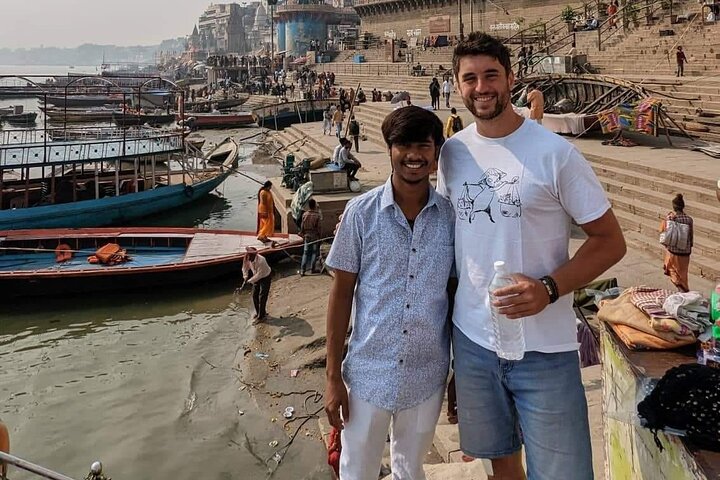
Banarasi chaat is a point of pride. Look for tamatar chaat, a tangy, spicy mash of tomato, potato and spices topped with crisp fried bits, which is quite unlike chaat elsewhere in India. Other favourites include aloo tikki, golgappa and dahi vada, and a dish called baati chokha or litti chokha, roasted wheat balls served with mashed vegetables, which is a staple of the wider region. Most of these are vegetarian, and many stalls serve food that is vegan too, but you should ask if it matters to you. A guided street food walk is the easiest way to taste several dishes on one outing, and a guide can tell you which stalls are busy, fresh and used to visitors.
Sweets and drinks
The city is known for its sweet makers and its milk. Look for rabri, thickened sweet milk, and for peda and laddoo in small shops. In winter, a delicate frothy milk dessert called malaiyo appears in the morning, served in small portions and sold from carts, and it is gone by the afternoon. Lassi, the thick yoghurt drink, is often served in unglazed clay cups called kulhads, which you break and throw away after use, and thandai, a spiced milk drink, is a traditional festival drink. Finish a meal with a Banarasi paan, a folded betel leaf with sweet or savoury fillings, which many visitors find an acquired taste. Ask for the sweet version first.
Restaurants and rooftops
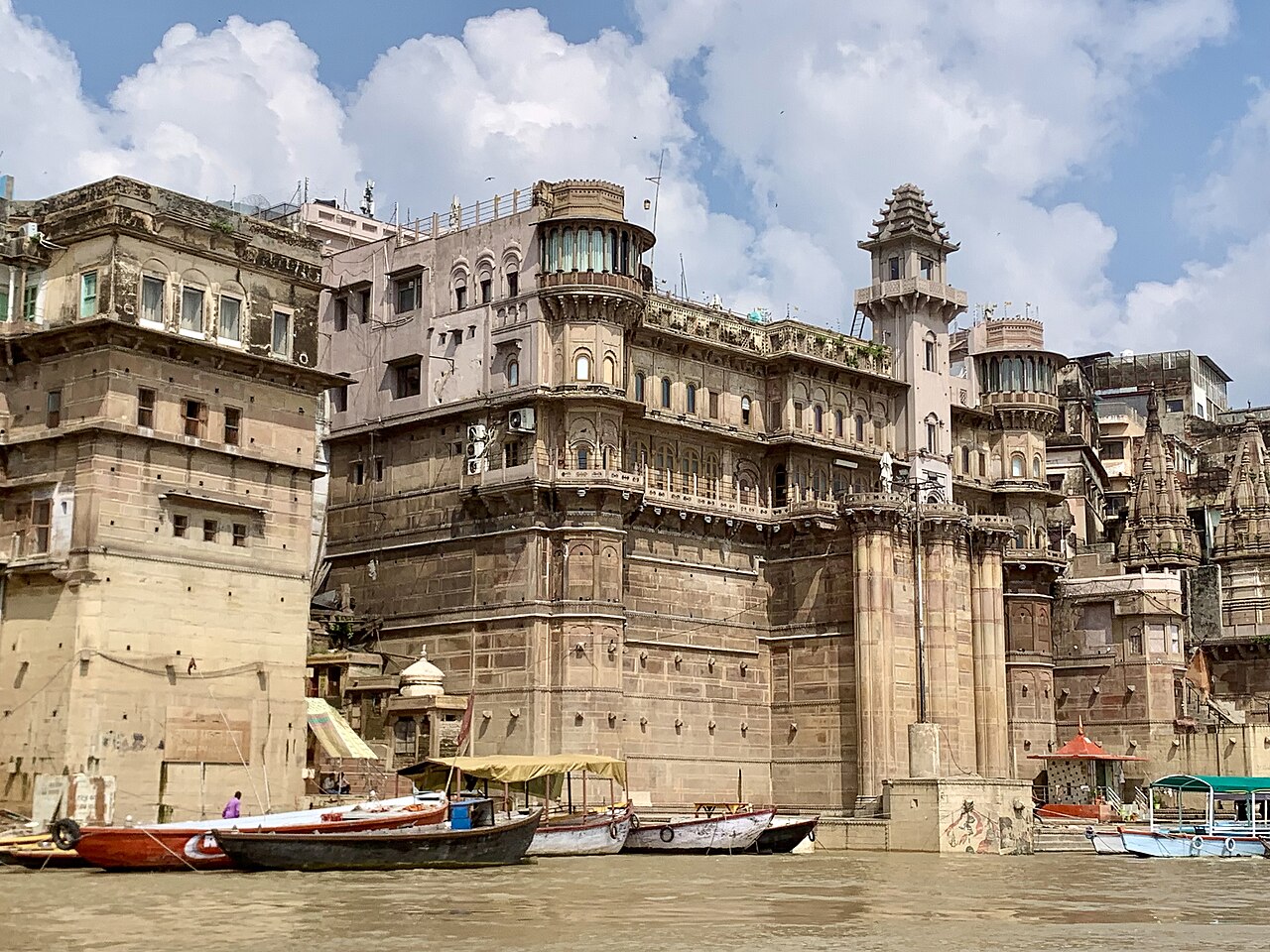
Along the ghats and in the southern area near Assi, you will find cafes and rooftop restaurants that cater to visitors, with menus that mix Indian dishes, Italian food, falafel and breakfast plates. They are a good rest from the lanes and often have river views, though quality varies, so choose places that are busy rather than empty. Hotels also serve full meals, and several heritage hotels have riverside dining. Keep in mind that the old city, especially around the main temple, is very largely vegetarian, and meat, eggs and alcohol are hard to find in some neighbourhoods, so if you want them, ask your hotel for guidance rather than searching the lanes.
Eating safely
Choose stalls with a high turnover and food cooked fresh in front of you, and avoid anything that has been sitting out. Drink bottled or filtered water, avoid ice unless you know where it comes from, and wash your hands or use sanitiser before eating. Start gently, with one or two items a day, and build up, because the spices and the oil are rich. Carry basic medication for upset stomachs and rehydration salts, and rest if you feel unwell. Do not drink water from the Ganges and do not eat anything that has been washed in river water.
Etiquette
Eat with your right hand if you are eating without cutlery, because the left is traditionally reserved for other tasks. Do not take leftovers into temples, and do not throw rubbish on the ghats, as the river and the steps are sacred. Tip modestly at restaurants, and small change is fine at stalls. Say no politely if you are offered a food package you did not ask for, and agree prices before you order if there is no menu. Photographing food is fine, but ask before photographing the people who cook it.
A simple eating plan
For a first visit, eat kachori and jalebi on the first morning, take a guided food walk on the second day, and keep the third day for sweets and lassi on the road to Sarnath or at Assi Ghat. Between those, eat lighter meals at your hotel or at a rooftop cafe and let your stomach rest. The food is one of the strongest reasons to love Varanasi, and the people who eat best here are the ones who are curious, careful and unhurried.