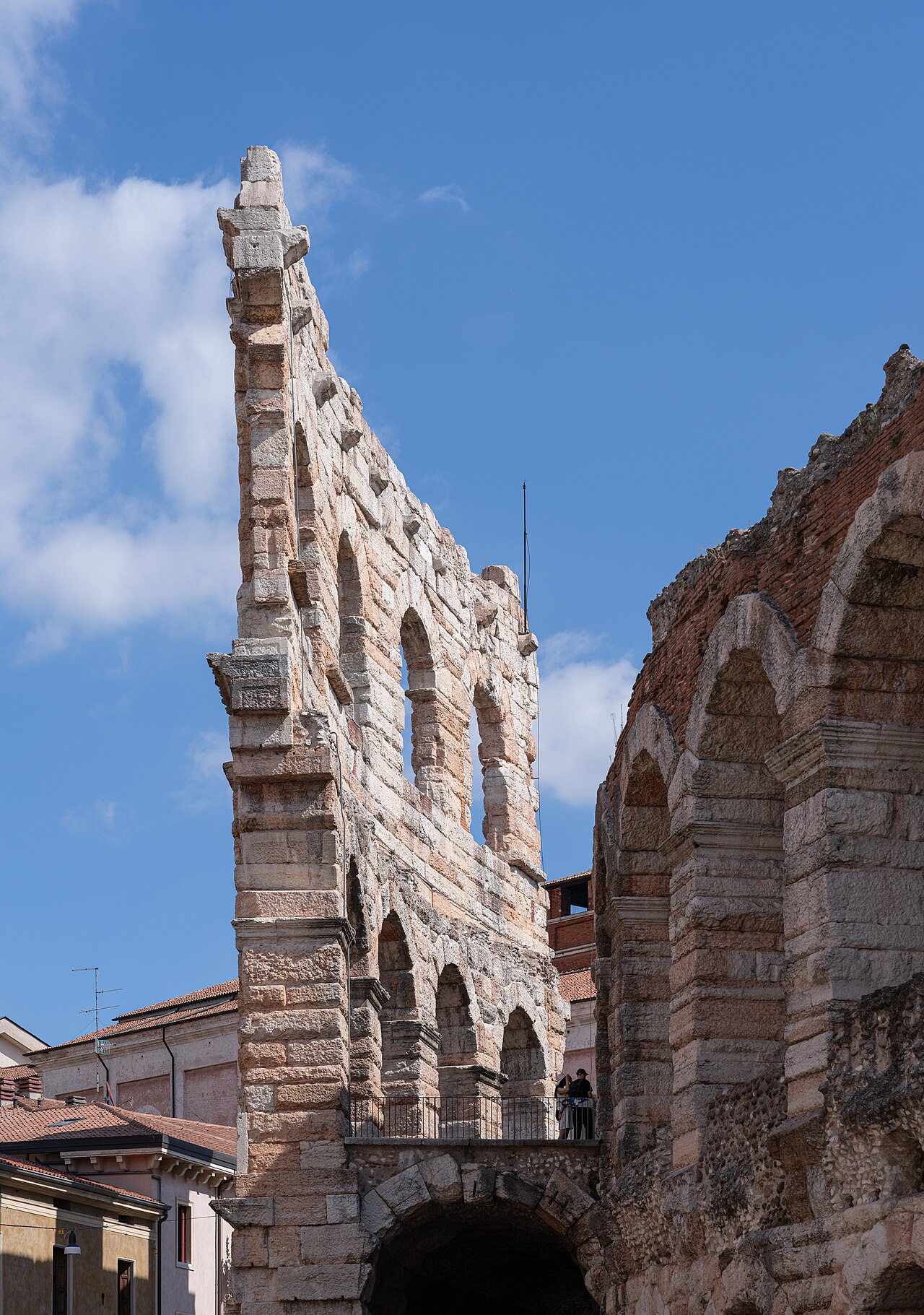
Verona is a city for every season, but each one gives you a different trip. Summer means opera in the Arena and long evenings on the squares. Spring and autumn bring the mildest weather and the best light. Winter is cooler, sometimes foggy, and by far the quietest, with a Christmas season that is one of the best in northern Italy. This guide describes what each season is like, so you can match the trip to what you want from it.
Spring (March to May): mild and green
Spring is excellent for walking. Temperatures are comfortable, the hills around the city turn green, and the squares fill with outdoor tables again. Crowds build gradually, with the busiest days around Easter and holiday weekends. Verona also hosts large trade fairs, including the big wine fair that usually takes place in spring, and hotels can fill and rise in price when they are on, so book early if your dates coincide. Pack a light waterproof, as showers are common.
Summer (June to August): opera and heat
The opera festival in the Arena usually runs from around June to early September, with performances after dark in the Roman amphitheatre. It is the signature experience of the city and the reason hotels are fullest and priciest in these months. The days are hot, often very hot, so plan sightseeing for the morning and late afternoon, take a long lunch in the shade and save the evening for the squares. Consider the Lake Garda trip for a breezy day out and the Roman Theatre at the end of the day for the view over the river. Book hotels and opera tickets well ahead, and bring a cushion for the unreserved stone tiers.
Autumn (September to November): the harvest
Many locals will tell you this is the best time. The heat softens, the crowds ease after the opera season, and the vineyards of Valpolicella turn gold and red as the grapes come in. It is the best season for an Amarone wine tour, and menus shift to risotto, game and polenta. September can still be warm. By November the days are shorter and cooler, mist can settle over the Adige, and the city has a quiet, atmospheric feel. Pack layers and an umbrella.
Winter (December to February): cold, calm and festive
Winter days are cold, often damp, and fog is common on the plain, but this is when the old town is at its most intimate. The Christmas market usually opens in mid-November and fills Piazza dei Signori and nearby courtyards with wooden stalls selling crafts, decorations, cured meats, cheese and mulled wine. A giant illuminated star is traditionally set up on Piazza Bra beside the Arena, a major international nativity exhibition is held at the Gran Guardia palace, and churches host concerts through December. Pandoro appears in every bakery. Weekends in December are busy with Italian visitors, so book hotels early for Fridays and Saturdays. After the holidays, January and February are the quietest and cheapest months of the year, though some shops and restaurants keep shorter hours.
Winter sightseeing works
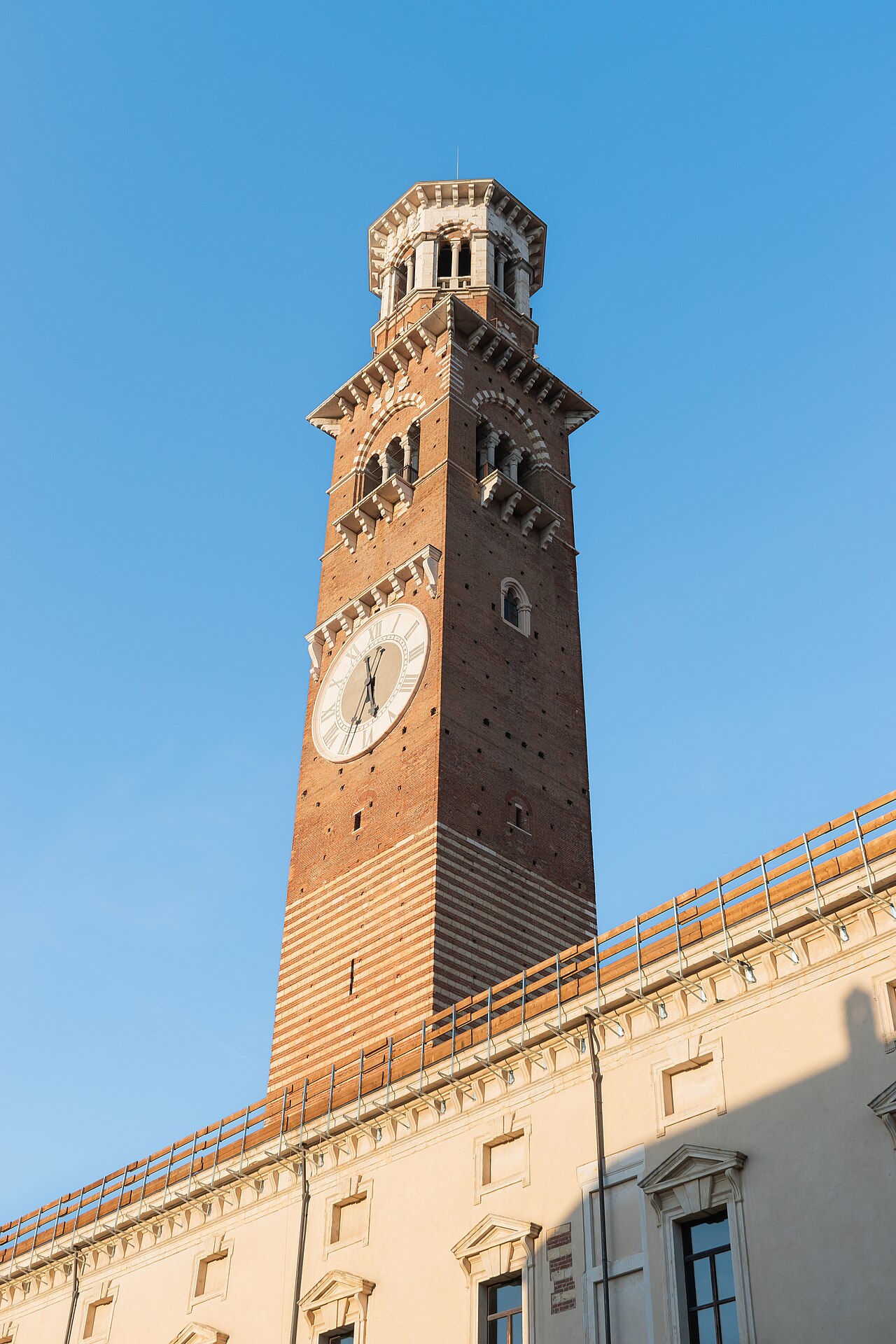
The big sights do not depend on the weather. The Arena is a quiet monument without the opera stage, Castelvecchio and the Basilica of San Zeno are indoors for the most part, and the Lamberti Tower has a lift, which is welcome on a cold day, with clear air giving good views on bright mornings. Winter is also an easy time to get a table in a good osteria and to see Juliet’s House without the summer crowds, though the time slot rule still applies and you must still book. Bring a warm coat, gloves and shoes with grip, because the old stone paving is slippery when wet.
Crowds, prices and opening days in a nutshell
The busiest weeks are late spring, the summer opera season, Easter and the December weekends. The quietest are January and February and the weekdays of November. In every season the Arena and most civic museums close on Mondays, so plan your week around that, and use Monday for a day trip or a long lunch.
Our recommendation
If you want the single best all-round visit, go in late April to May or in September to early October. If you dream of opera, go in the summer and book far ahead. If you want atmosphere, fewer people and lower prices, choose the Christmas market season or the dark, quiet weeks after it. For food and wine, autumn is the winner. Whatever season you choose, a two- or three-day stay and a comfortable hotel in the old town will let you enjoy it at an easy pace.