Verona rewards a modest budget better than most Italian cities. It is compact, so you rarely pay for transport, its best views and squares cost nothing, and a well-chosen sightseeing pass covers the paid monuments. The expensive parts are the summer opera season and the central hotels, and both can be managed with a little planning. This guide shows how to see the city well and spend the money where it counts.
The best things are free
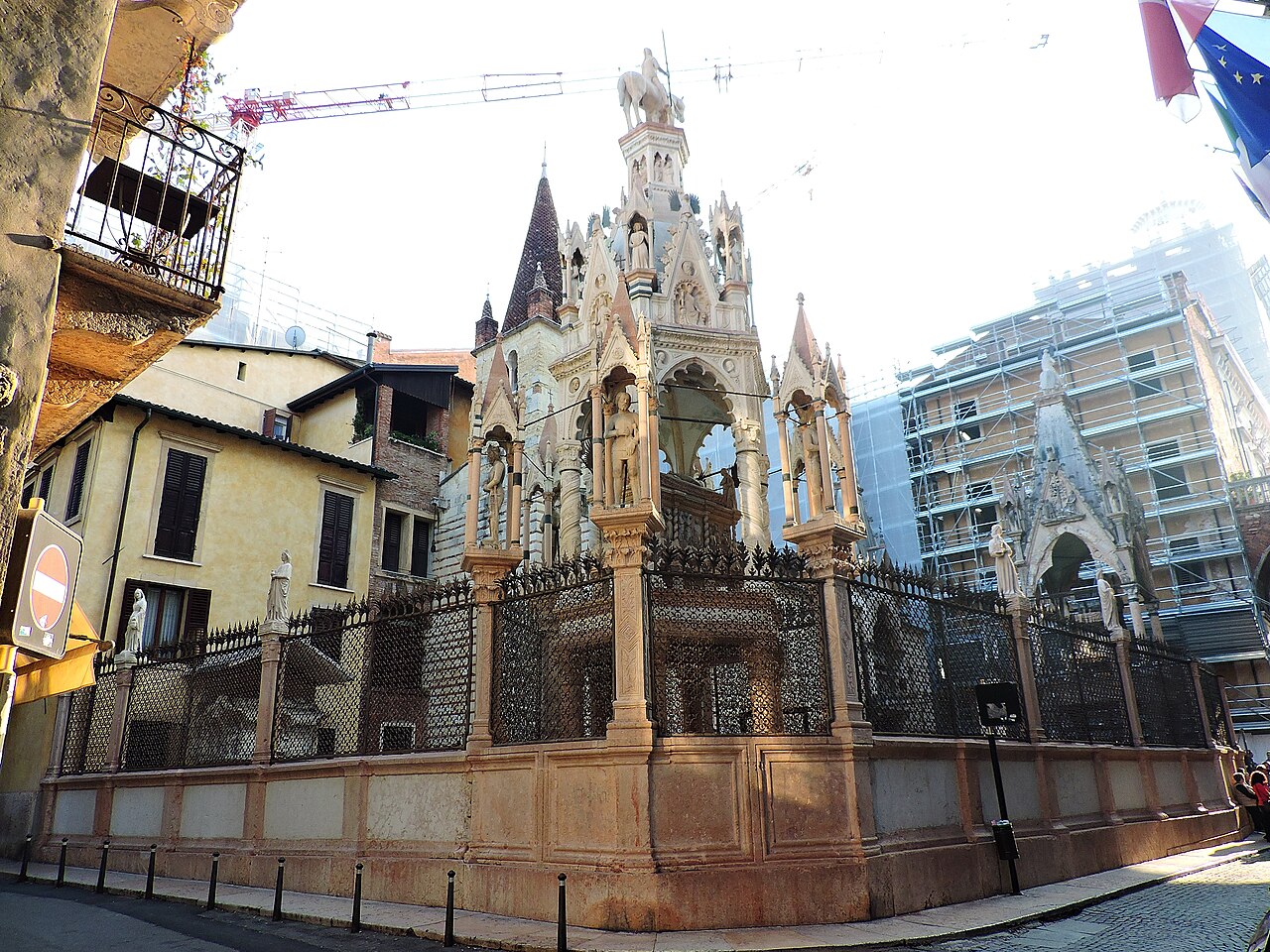
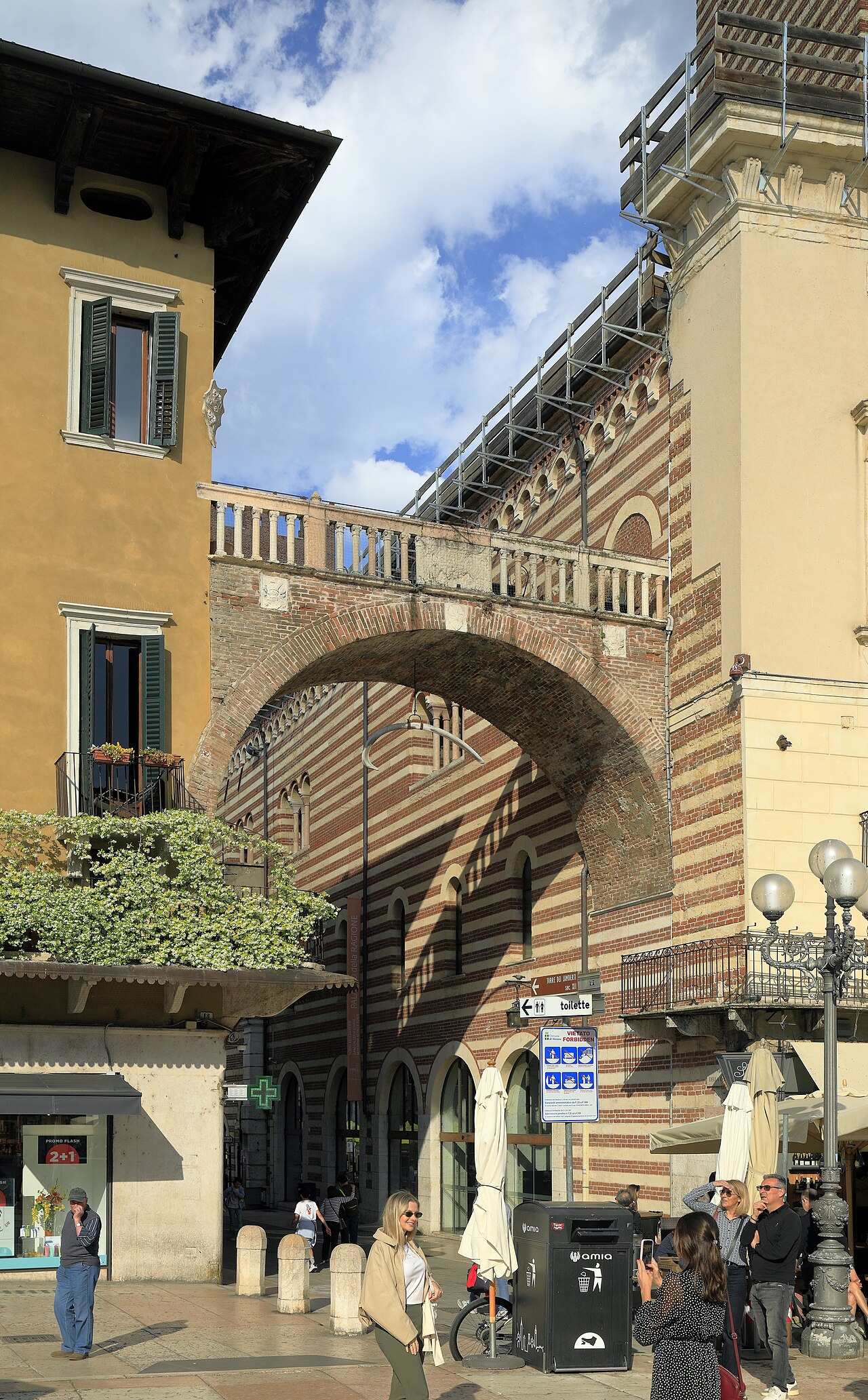
Start with the squares. Piazza delle Erbe is the old Roman forum, now a market square lined with frescoed houses, the Madonna Verona fountain and the Baroque Palazzo Maffei, and it is at its liveliest in the morning when the market stalls are open. A passage leads to Piazza dei Signori, the calm civic square with a statue of Dante, the Scaliger palaces and the Loggia del Consiglio. Next to it you can see the tall Gothic Scaliger tombs from the street, behind their wrought-iron fence. Together the two squares are the heart of the city and cost nothing to enjoy.
Walk the river
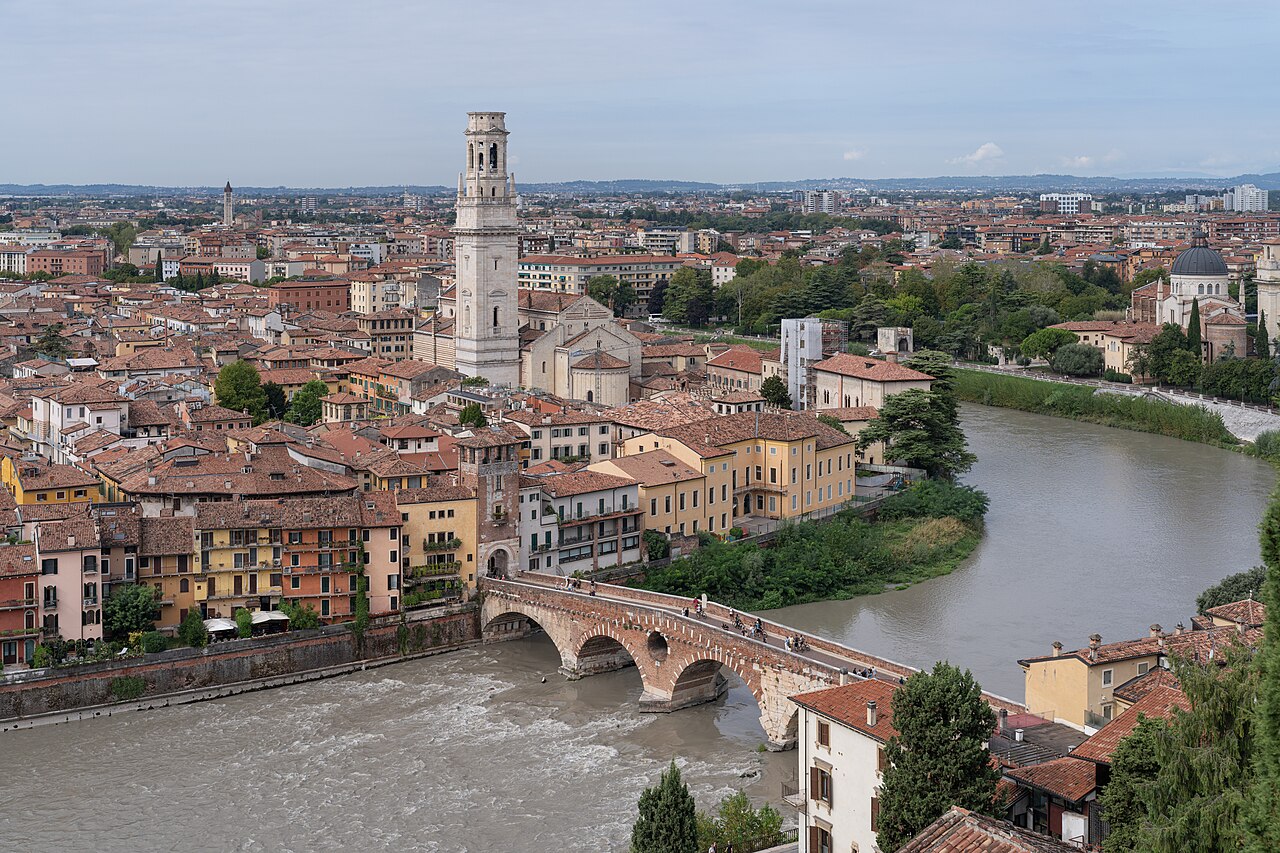
The Adige makes a loop around the old town, and the embankments are a lovely, free walk. Cross the Scaliger Bridge by Castelvecchio, a red-brick medieval bridge you can walk across at no charge, and then follow the river to Ponte Pietra, the Roman stone bridge rebuilt after the war with its surviving ancient arches. From there you can climb the steps up the hill of San Pietro to the terrace of Castel San Pietro, where the view over the red roofs and bell towers is one of the best in the city. Go at sunset for the warmest light, and take a bottle of water for the climb.
Gates, streets and the Arena from outside
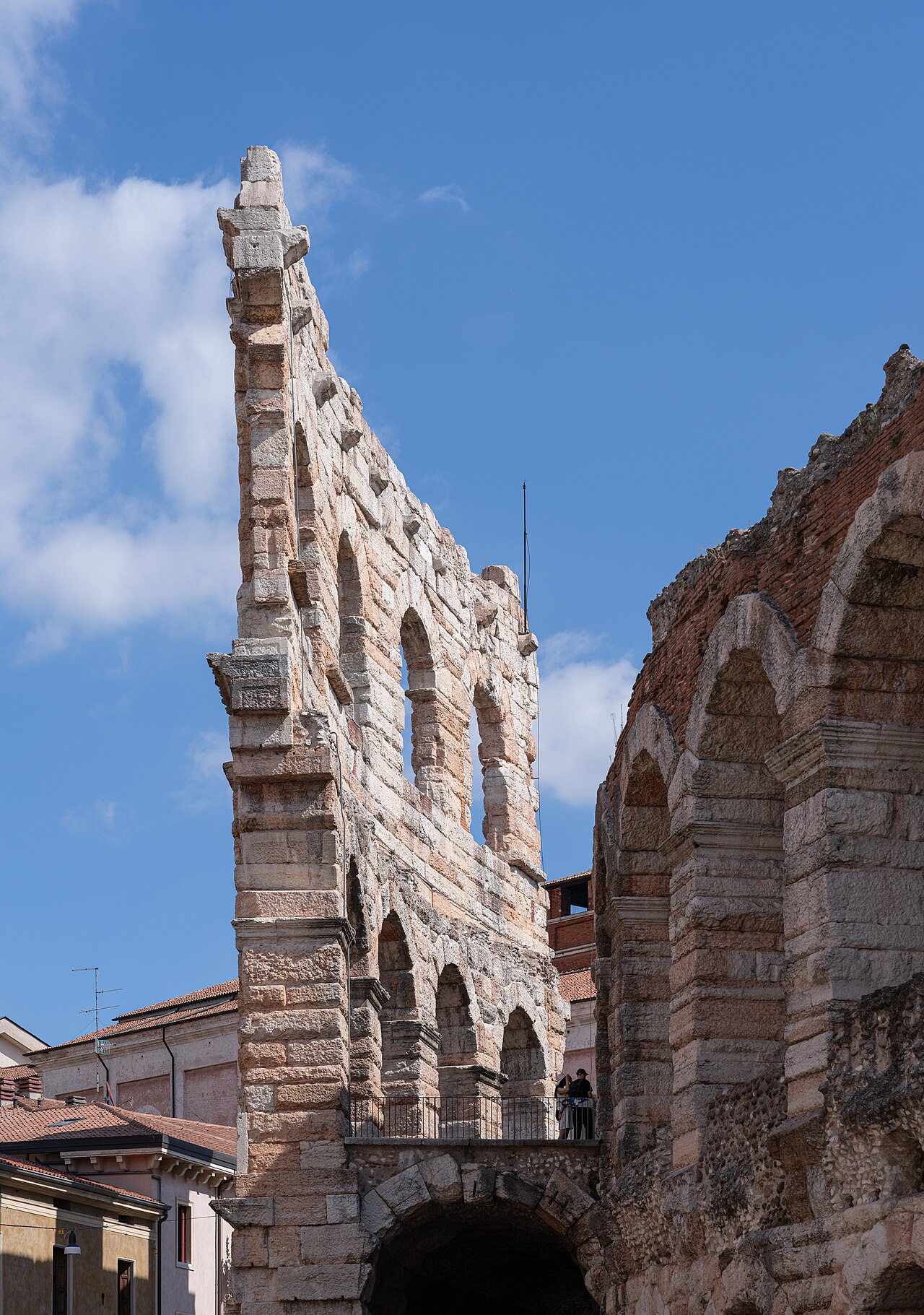
The Roman gates, Porta Borsari and the Arco dei Gavi, are free to admire from the street, and Piazza Bra with its great ellipse of the Arena and the café-lined Liston is a fine place to sit. Via Mazzini between the Arena and the squares is the main shopping street, with fine window-shopping. Churches in Italy are places of worship, so dress modestly if you step in, and note that some of Verona’s major churches charge a modest admission.
When the VeronaCard saves money
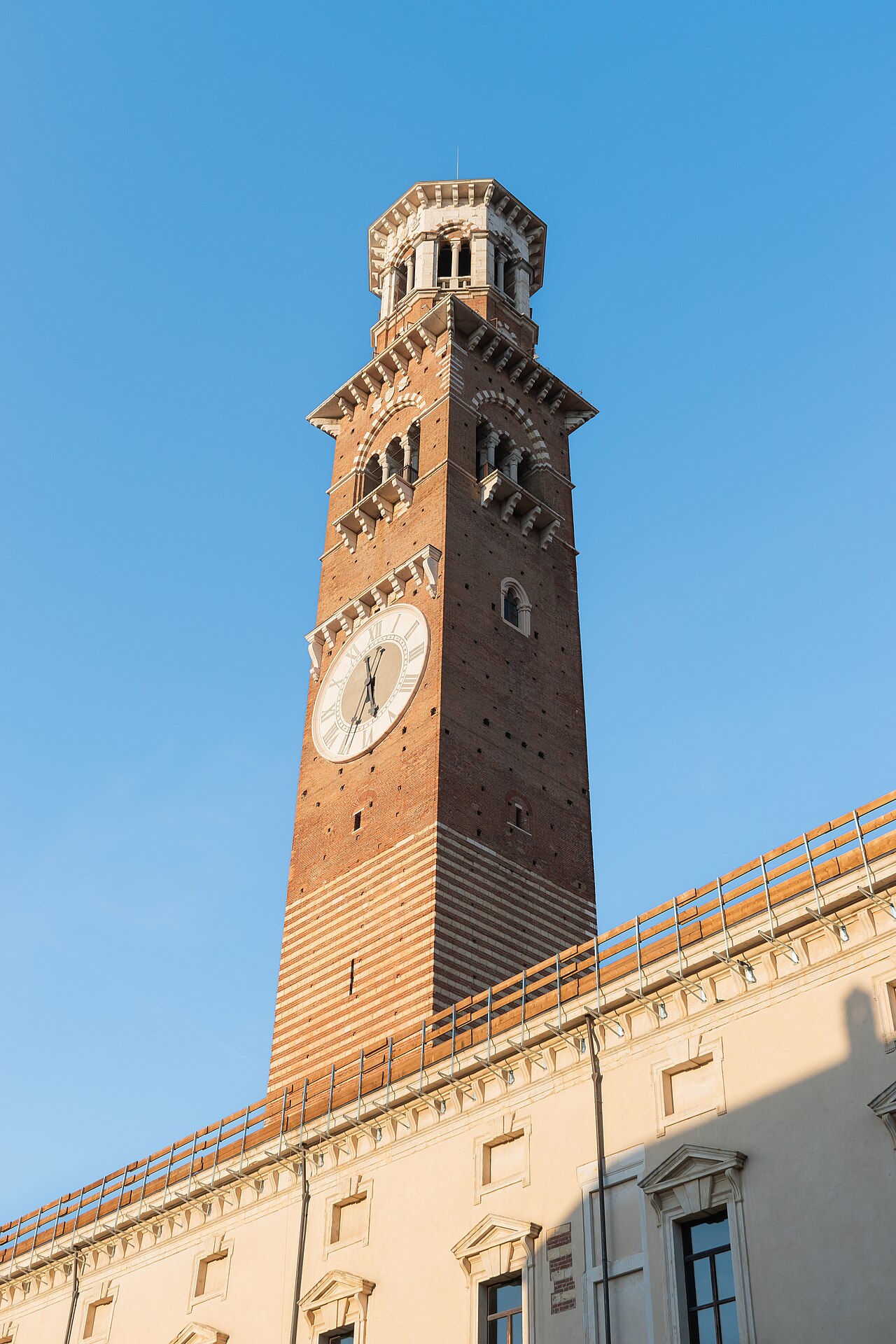
The paid sights are where the costs add up, and the VeronaCard is the main saving. It covers the Arena with priority entry, Juliet’s House, Castelvecchio, the Lamberti Tower, the Roman Theatre and Archaeological Museum and the great churches, including San Zeno, and it now includes city buses. As a rule, if you plan to visit four or five paid sights in two days, the card will pay for itself and save you waiting at ticket desks. If you only want the Arena and one museum, buy single tickets instead. Remember that Juliet’s House still requires an advance time slot, even with the card. Check the current price on the day you buy.
Choose your paid sights
If money is tight, rank the paid sights by how much you will enjoy them. The Arena is the one that nobody should skip, and the Lamberti Tower gives a wide view for a modest price, and it has a lift. Castelvecchio is a fine museum for anyone who enjoys art and architecture, and San Zeno is the best of the churches for Romanesque art. Juliet’s House is worth seeing mainly for the atmosphere of the courtyard, so if the interior does not appeal, it is the one paid sight you can reasonably skip.
Eating well for less
The easy savings are at lunch. Many osterie offer a short set menu or a plate of the day at lunchtime that costs noticeably less than dinner, and a panino or a slice from a bakery makes a good picnic by the river. Prices on Piazza delle Erbe and Piazza Bra are higher than in the side streets, so walk two minutes in any direction. Ask for the house wine by the quarter or half litre, which is usually cheap and decent. At a bar, an espresso drunk standing at the counter costs less than at a table, and an aperitivo with snacks can stand in for a light dinner. Remember to check for the coperto, a small per-person cover charge. A guided food tour is not the cheapest option, but it can replace a lunch and a dinner at once.
Getting around cheaply
You will rarely need transport in the centre, because the main sights are within a twenty-minute walk of each other. From the station it is about 20 minutes to Piazza Bra on foot. Regional trains to the lake and to Mantua are inexpensive compared with a tour, and buy tickets from machines or the rail app. If you want the lake without a guide, take a train to Peschiera del Garda or Desenzano and explore on foot.
Saving on where you stay
Rates are highest in the summer opera season, around Easter, and on weekends in December, and lowest in January and February. A room near the station on Corso Porta Nuova is generally better value than one on the main squares, and the walk into the centre is pleasant. Bear in mind that Italian hotels charge a small tourist tax per person per night that is paid at the property and is not included in most advertised rates. A quiet room two streets back from Piazza delle Erbe often costs less than one on it and sleeps better.