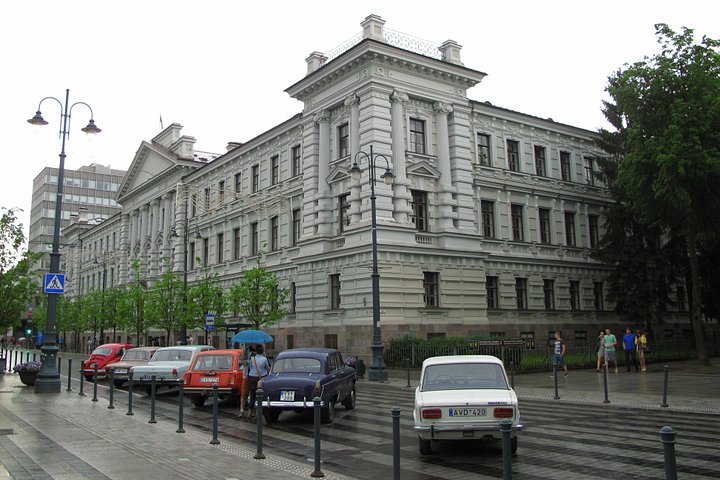
Vilnius is best known for its Baroque beauty, but the twentieth century shaped it more profoundly than any architect. Few European capitals changed hands so often, and few suffered as much, so understanding the city means understanding the decades from 1939 to 1991. This guide sets out the story in outline and shows how to meet it on the ground, with respect and without rushing.
Before the war: a city of many peoples
Vilnius had long been a city of Lithuanians, Poles, Jews, Belarusians and Russians, and in the early twentieth century Jews made up a large share of the population. The city was known as the Jerusalem of the North for its scholars, printers and synagogues, and Yiddish culture flourished here between the wars. After the First World War, Vilnius was held by Poland, while Kaunas served as Lithuania’s temporary capital, and the city returned to Lithuanian control in 1939.
1940 to 1944: occupation and the Holocaust
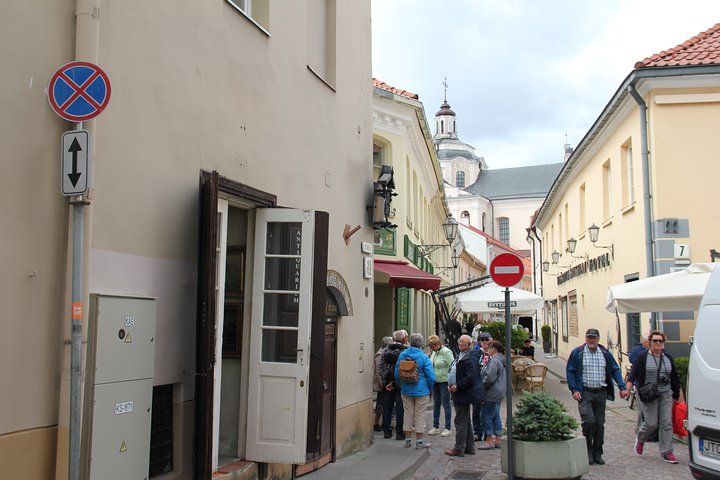
The Soviet Union occupied Lithuania in 1940, and in 1941 German forces arrived. The Jewish population of Vilnius was confined to ghettos in the Old Town, and the great majority of Lithuanian Jews were murdered during the war, including tens of thousands killed in the forest at Paneriai just outside the city. The community that had defined the city was almost wholly destroyed. A guided walk through the old Jewish quarter is the best way to read the streets, and a visit to the Paneriai memorial, often combined with day tours from the city, is a quiet and necessary complement.
1944 to 1990: the Soviet years
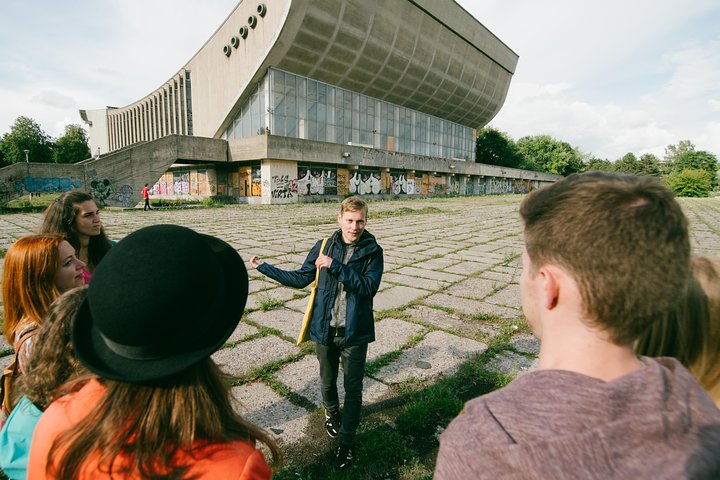
The Soviets returned in 1944, and Lithuania remained inside the USSR for almost half a century. Thousands of people were deported to Siberia, and partisans fought a guerrilla war in the forests until the early 1950s. The KGB headquarters on Aukų Street, now the Museum of Occupations and Freedom Fights, is where arrests and interrogations were organised, and visitors can see cells and the former execution room in the basement. A Soviet Vilnius walking tour covers the wider picture, including daily life, architecture and quiet resistance, which often took the form of faith, folk songs and secret publishing.
1987 to 1991: the road to independence
In 1989, on 23 August, about two million people formed the Baltic Way, a human chain running from Vilnius through Latvia to Tallinn. On 11 March 1990, Lithuania declared the restoration of its independence, the first Soviet republic to do so. In January 1991, Soviet forces attacked the television tower and other sites in Vilnius, and fourteen people were killed as crowds defended the parliament and the tower. Independence was recognised internationally later that year. Vilnius feels the weight of these events in its public spaces, and many local people have family memories of them.
How to build a visit
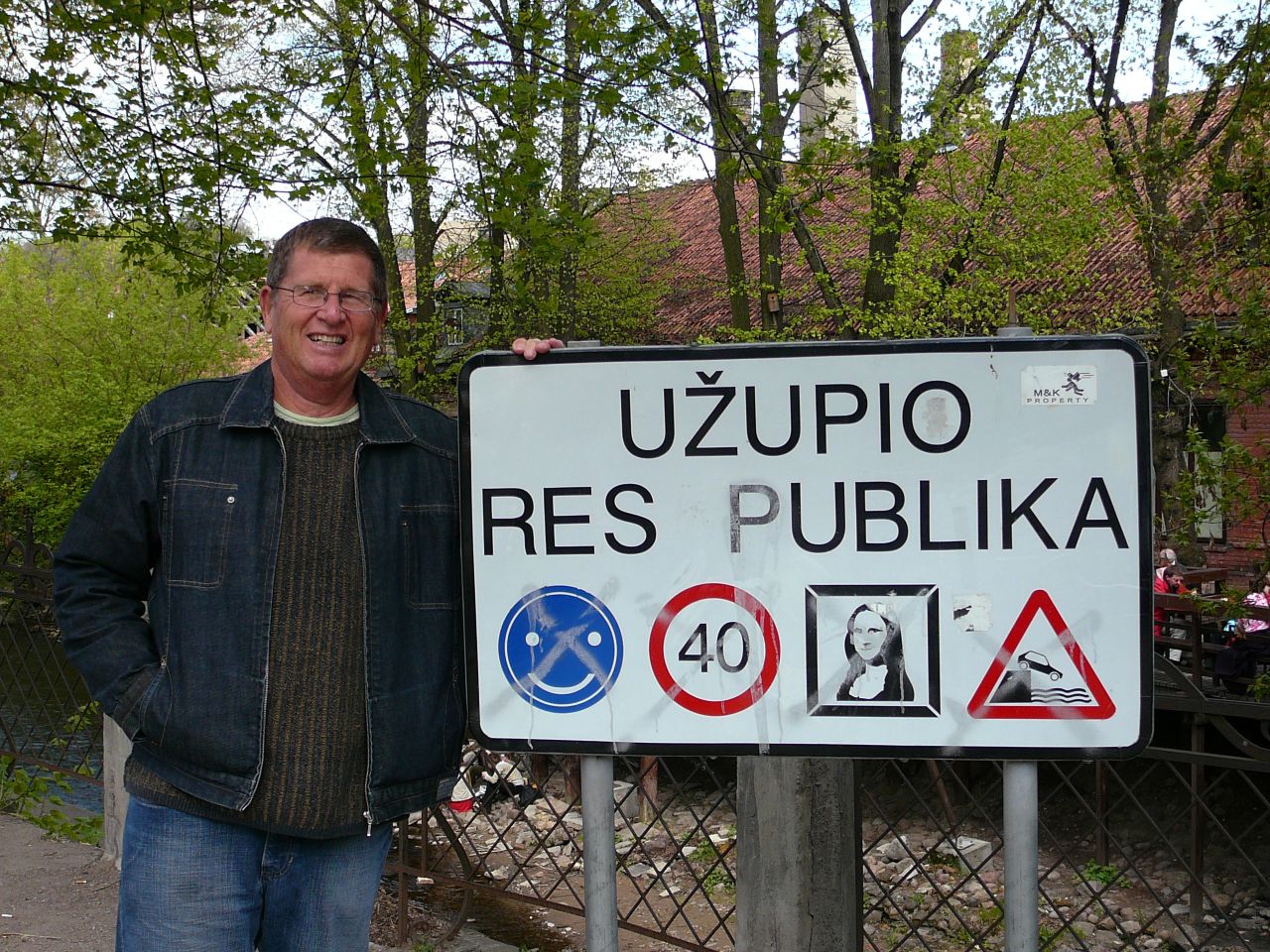
Spend half a day on Jewish Vilnius, beginning with a guided walk, and half a day at the Museum of Occupations and Freedom Fights, ideally with a guide. Add a Soviet Vilnius walking tour for context, and keep a calmer day for the Old Town and Užupis, where the city’s resilience and humour are on display. If you have a further day, the Paneriai memorial and the Hill of Crosses, which became a quiet symbol of resistance under Soviet rule, deepen the picture.
Where the city remembers
Some of the clearest reminders are public and free. Vilnius Cathedral was turned into an art gallery under Soviet rule and returned to worship as the Soviet system weakened, and today its white facade on Cathedral Square is again a place for celebration and gathering. Gediminas Tower, above the square, flies the national flag, and the rebuilt Palace of the Grand Dukes tells the older story of a state that existed centuries before the twentieth-century occupations. Seeing these places after the heavier museums shows what was recovered as well as what was lost.
Practical notes
The museum of occupations is open from Wednesday to Sunday and closed on Mondays and Tuesdays, so plan around that. Most of these experiences are serious, and children under about twelve may find them difficult, so choose carefully when travelling as a family. Wear comfortable shoes, allow time for quiet reflection and avoid scheduling too many heavy sites on a single day. Follow any posted guidance at memorials, speak quietly and remember that these are places of remembrance for many.
Balancing the day
After a heavy morning, a walk through Užupis, a coffee in a courtyard or an hour in the Old Town’s churches helps restore perspective. The story of Vilnius is also one of survival and renewal, and the city’s present-day creativity, its independent spirit and its warmth towards visitors are part of the same history.