Vilnius has a continental climate, with cold, dark winters, warm, bright summers and short, changeable springs and autumns. There is no bad time to go, but each season changes what you will enjoy most, and a few practical points, such as daylight and museum hours, vary with the calendar. This guide takes the year season by season so you can match your trip to your priorities.
Spring: March to May
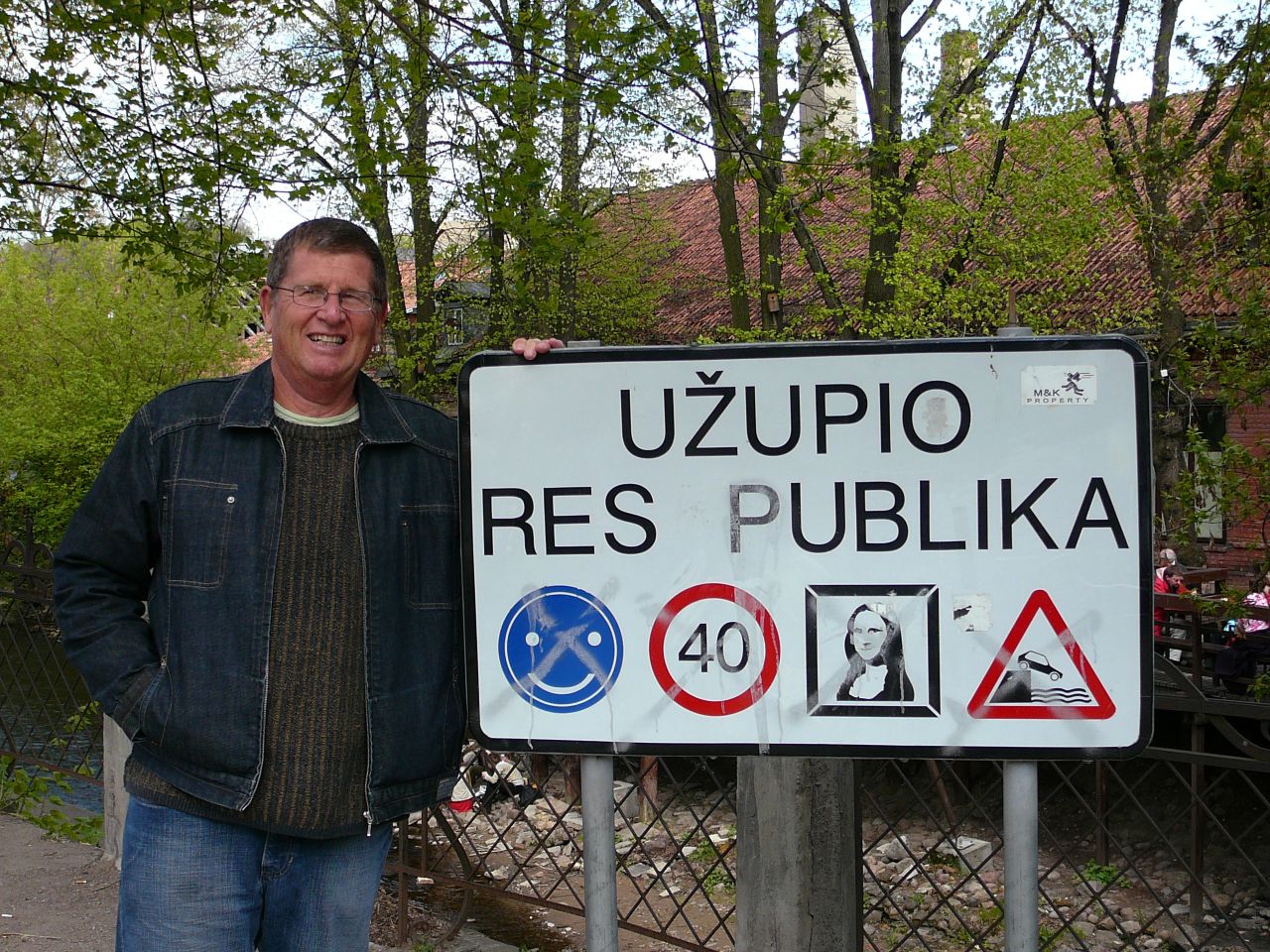
Spring arrives late, and March can still be cold, with snow and ice on the cobbles. In early March the Kaziukas Fair, a long-running folk craft fair held around the feast of St Casimir, fills the streets of the Old Town with handmade goods, baked treats and palm-like dried flower bundles called verbos. On 1 April, Užupis celebrates its playful independence day, with a parade and a lot of humour. By May the trees are green, terraces open and temperatures are pleasant, though rain can arrive without warning. It is a good, quieter season, with moderate prices.
Summer: June to August
This is the easiest season for sightseeing and day trips. Days are long, with daylight lasting well into the evening, and the Old Town’s courtyards and terraces are at their best. Trakai, Kernavė and Europos Parkas are at their most attractive, and boats run on the lake. The Midsummer festival around 23 and 24 June is a traditional celebration with bonfires and wreaths in the countryside. Summer is also the busiest and most expensive season, though Vilnius never feels as crowded as many capitals, and heat can reach the high twenties and occasionally higher. Book hotels and popular tours early.
Autumn: September to November
September is often lovely, with warm days, fewer visitors and the first touches of colour. October brings golden leaves, cooler air and a good season for walking, though rain becomes more frequent. In early November, around All Saints’ Day, Lithuanians light candles on graves, and the cemeteries glow in the dark, a moving sight if you visit respectfully. Daylight shrinks quickly, and by late autumn sightseeing needs planning around early sunsets. Hotel prices are typically lower than in summer, which makes autumn good value.
Winter: December to February
Winter is cold, often below freezing, with snow likely and long nights. It is also atmospheric: the Old Town in snow is very beautiful, and in December the Christmas tree and market on Cathedral Square draw crowds and lift the whole city. Hot drinks, saunas, spas and long dinners come into their own, and indoor sights such as the Cathedral crypts, the Church Heritage Museum and the museum of occupations work well. Plan shorter days outdoors, wear layers, a hat, gloves and boots with good grip, because ice makes cobbles slippery. Winter schedules at some sites are reduced, and the Trakai museum closes on additional weekdays, so check before travelling.
Closing days all year
Regardless of season, weekly closing days matter more than weather. Many museums close on Mondays, and some on Tuesdays as well, the Bell Tower is closed on Sundays, and the museum of occupations is closed on Mondays and Tuesdays. Keep Mondays for the Old Town walk, Užupis and Gediminas Tower, and plan indoor sights for the open days.
What to pack
In summer pack light clothing, a rain layer and comfortable walking shoes. In spring and autumn bring layers, a waterproof jacket and shoes with grip. In winter bring thermal layers, a warm coat, hat, gloves and boots that grip on ice. Mosquitoes can appear near lakes in summer, so bring repellent for Trakai and Kernavė. A power adapter for European sockets is needed for most travellers from outside Europe.
Public holidays
Lithuania marks the restoration of statehood on 16 February, the restoration of independence on 11 March and Statehood Day on 6 July, and Christmas and Easter are quiet family holidays. Museums and some restaurants close or shorten hours on national holidays, so check ahead if your trip overlaps one. The holidays can also be a good moment to see flags, concerts and ceremonies in the Old Town, especially around Cathedral Square and Gediminas Tower.
Our pick
For the easiest all-round visit, choose late May to early September. For atmosphere and value, December is the most magical month, and September the most pleasant. If you want quiet streets and low prices, go in late autumn or early spring, and accept the weather as part of the experience.