Xi’an sits on an inland plain with a continental climate, which means hot summers, cold dry winters and two short, pleasant seasons in between. The city is a good year-round destination because most of its main sights are cultural, but the season affects comfort, crowds and a few specific plans. The biggest factor of all is the calendar of Chinese holidays, which can matter more than the weather.
Spring: a good choice, with caveats
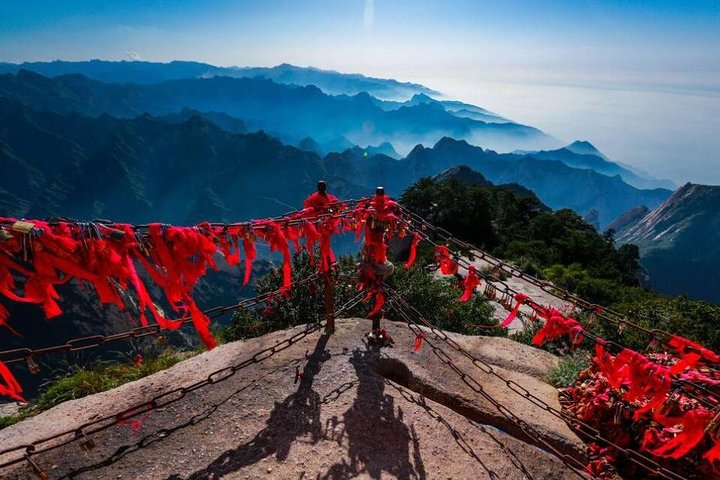
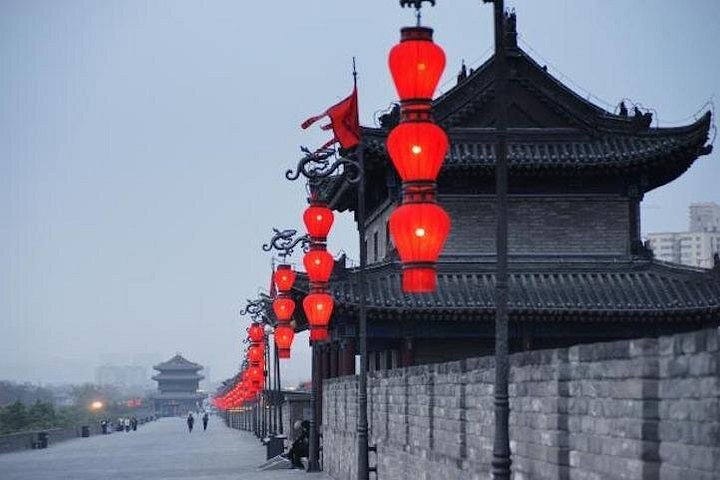
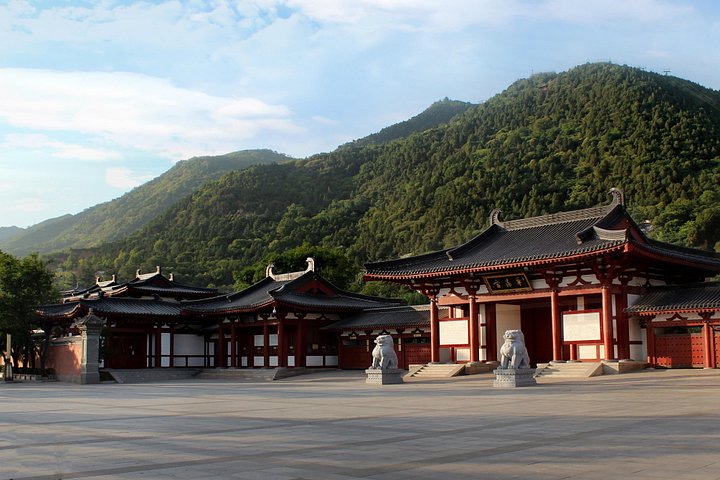
From roughly late March to May, temperatures are mild and the city’s gardens and parks come into bloom. It is a comfortable time for cycling the City Wall and walking the old town. Some days can be windy or hazy, so keep your plans flexible. The evening performance at Huaqing Palace, a staged show about a Tang emperor and his consort, runs late March to October, so spring is the start of that season. Spring is also a good time for Mount Huashan, as long as the forecast is clear.
Summer: hot, humid and busy
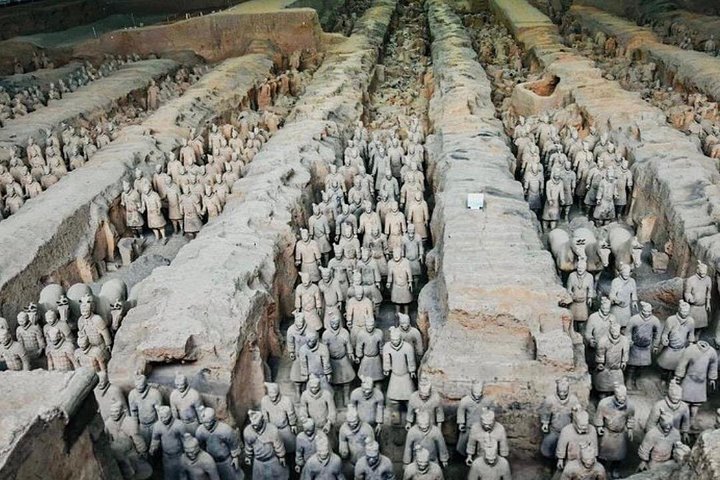
June to August is hot, and afternoons can be exhausting, particularly on the exposed City Wall and at the Terracotta Army, where the queues and the walks between halls are in the open. Heavy showers are common in the later part of summer. On the plus side, long evenings suit the Muslim Quarter and the lit towers, cold noodles and sour plum juice are at their best, and the evening shows are running. Aim to visit outdoor sights early in the morning, rest at midday and go out again after the heat fades. Domestic school holidays in July and August bring large family groups, so book tickets and tours ahead.
Autumn: the best overall
September to early November is the favourite season of many visitors. The air is clearer, temperatures are comfortable and the light is good for photos. Mount Huashan is especially rewarding on clear autumn days, with long views from the summits, though it is colder at the top, so bring layers. The one thing to avoid is the first week of October, when the National Day holiday fills every sight. Later in autumn, crowds thin out, rates at hotels often drop and the city feels calmer.
Winter: quiet, cold and cheap
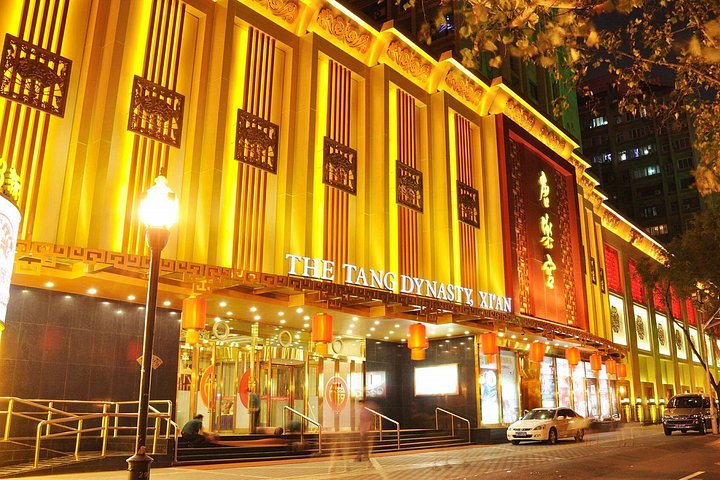
From December to February, days are cold and dry, and sometimes freezing, with occasional snow. Opening hours at some sights are shorter, and daylight ends early, so plan your outdoor days for the middle of the day. The upside is that the Terracotta Army and the History Museum are far less crowded, hotels are at their best value and a bowl of lamb and bread soup has never tasted better. The Huaqing Palace evening show and the fountain show at the Giant Wild Goose Pagoda’s north square are seasonal and do not run through the coldest months, so ask your hotel or check the sight’s page before building a night around them. The Tang dynasty show, held indoors, is a reliable evening choice all year. Winter also brings the approach of Chinese New Year, when the city is decorated with lanterns and many local businesses close for several days.
Chinese holidays
The three busiest periods are the Spring Festival around late January or February, the May Day holiday and the National Day holiday in early October. At these times, transport, hotels and ticket slots book out, prices rise and every attraction is packed with domestic visitors. Entry to the Terracotta Army and the History Museum can sell out, so book as early as you can, and avoid the busiest days if you have a choice. Outside those weeks, a weekday is always calmer than a weekend.
Air and weather
Haze can build up in the cooler months, so check the forecast and carry a mask if you are sensitive. Rain can close or spoil parts of Mount Huashan at any time of year, so build in a spare day if your schedule allows, or choose a flexible tour.
Our pick
Go in late April and May, or in September and the weeks after National Day, for the best mix of comfort and crowds. If you can only go in winter, do not be put off, because the cultural sights are just as impressive and much quieter. Wear layers, plan your outdoor sights for midday and keep a couple of indoor options, such as the History Museum and the Tang dynasty show, for the coldest hours.