Three days is the sweet spot for Xi’an. It is long enough to see the Terracotta Army without rushing, to walk and cycle the old town, and to spend a day in the Tang-era south of the city, with room left to eat well. The plan below groups sights by area so that you spend your time looking rather than crossing the city in taxis.
Day one: the Terracotta Army and Huaqing Palace
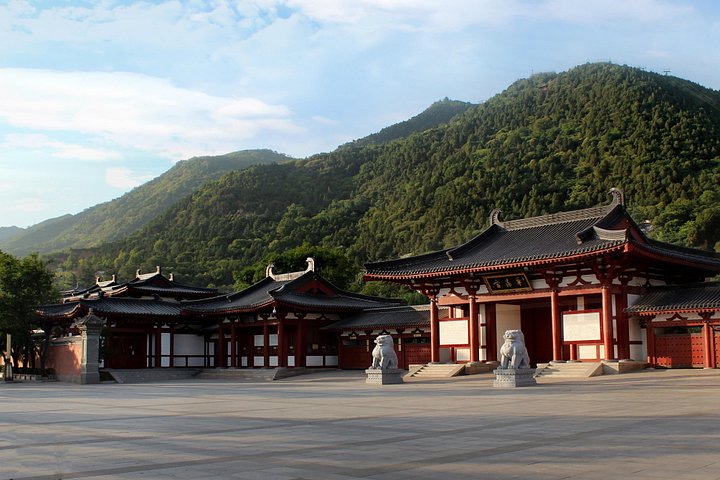
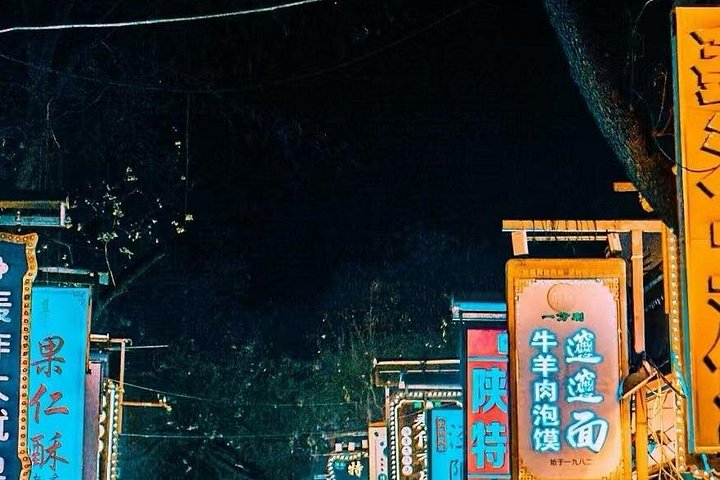
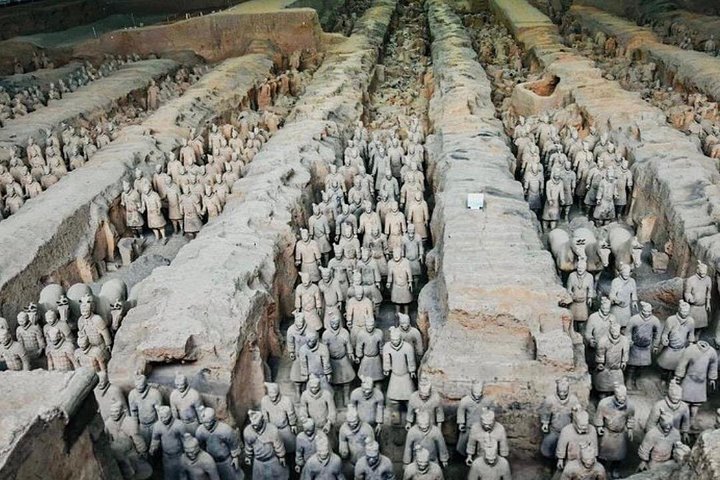
Start early, because the Terracotta Army is the most visited sight in the region and the halls are calmest soon after opening. The site lies roughly 40 kilometres east of the city, so allow a half day in total, with about three hours at the pits and the museum halls. Take your passport, as entry is tied to ID. Pit 1 is the largest and the most striking, and the smaller pits and the exhibition hall of bronze chariots add detail. A guided or private transfer saves the effort of finding the right bus, and a ticket with a driver is easy to arrange in advance. In the afternoon, continue to Huaqing Palace, the hot-spring retreat of Tang emperors at the foot of Mount Li. It is a pleasant, relaxed place after the crowds of the army, with gardens, pools and the story of the Tang court. Return to the city for dinner in the Muslim Quarter, where the lanes fill with snack stalls after dark.
Day two: the old town inside the wall
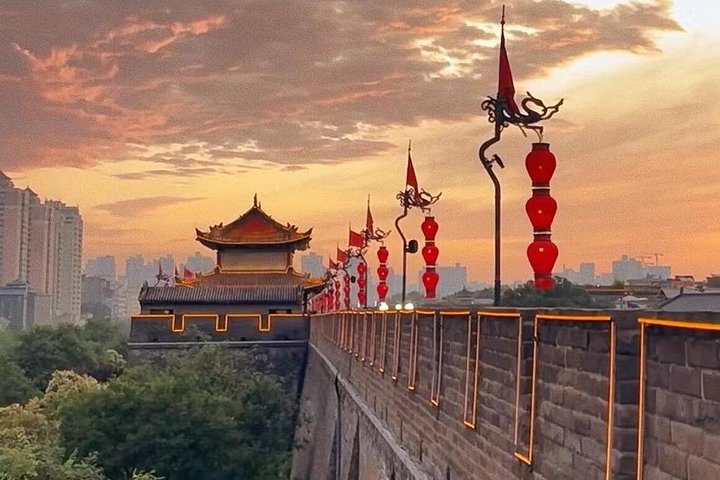
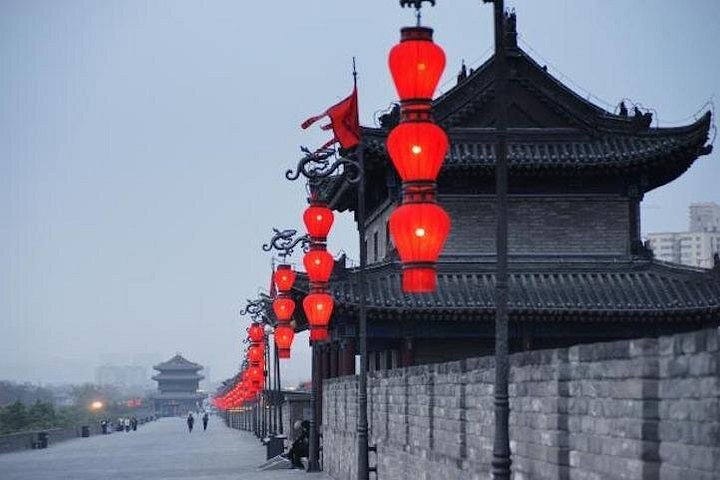
This is the day to walk. Begin at the Bell and Drum Towers, a few minutes apart in the centre of the old town, and climb both for views over the tiled roofs. The Muslim Quarter and the Great Mosque sit directly behind the Drum Tower, so you can step from one to the other without a taxi. The mosque is a quiet courtyard complex that blends Chinese architecture with Islamic tradition, and it makes a calm break between food stops. After lunch, go to the City Wall. The wall runs about 13.7 kilometres around the old town, and the full circuit by rented bike takes about two hours. If you do not want to cycle, walk between two gates for the best views and come down again. The wall is at its best late in the day, when the towers and gates are lit. If you want to end the day with food, a street food tour by tuk-tuk is a lively way to reach stalls that are hard to find on your own.
Day three: the Tang south
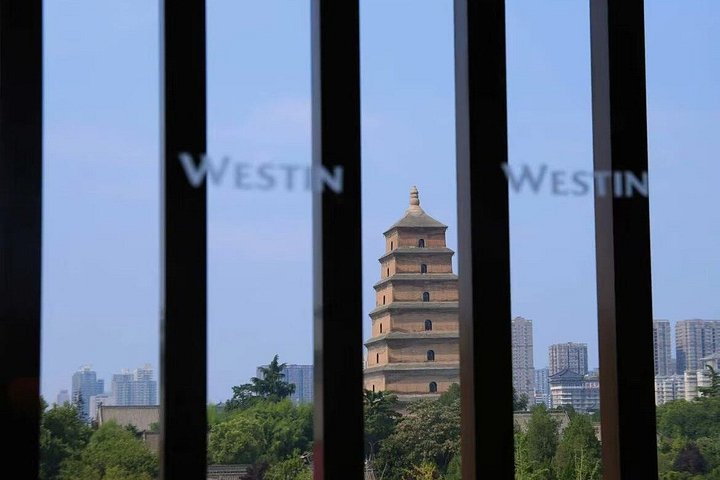
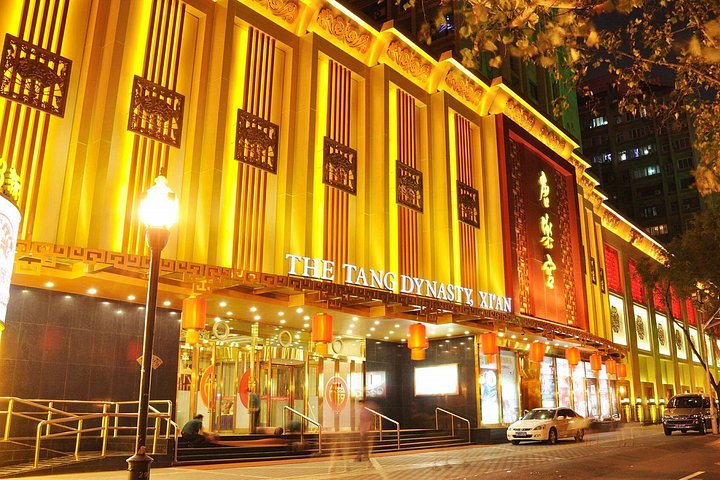
Spend the morning at the Shaanxi History Museum, which tells the story of the region from prehistory through the Tang dynasty, with Tang gold and silver among the highlights. The museum is free but needs advance reservations and ID, and it closes one day a week, so check the day before you go. From there, the Giant Wild Goose Pagoda is a short ride away. It dates from the Tang dynasty and stands inside the Daci’en Temple, and the climb inside gives a view across the south of the city. Leave time for the Tang-themed district around it, which is pleasant to walk, especially in the evening. Finish with the Tang dynasty show, either with a dumpling banquet or as a show-only ticket. It is a comfortable, seated end to a long trip, and it works well even if you are tired.
If you want Mount Huashan
The sacred mountain needs a full day, usually nine to ten hours including the journey, so it displaces another day rather than fitting between two. Most visitors swap it for the Tang south on day three, and see the History Museum and the pagoda on a different trip or skip them. Choose a clear weekday, because weather can close sections, and expect steep stairs and cold air at the summit outside summer. It is a physically demanding day, so do not schedule it straight after the Terracotta Army.
Pacing and transport
The metro is clean, signed in English and cheap, and Line 2 links the Bell Tower with the South Gate of the wall. Between the metro and ride-hailing apps, you rarely need more than a short taxi. Set up a mobile payment app that accepts foreign cards before you arrive, and carry some yuan in cash as a backup. Keep your passport with you every day.
Where to stay
For this plan, the old town is the most convenient base, because day two is entirely on foot and the metro reaches the other sights. Holiday Inn Express Xi’an Bell Tower is a budget choice beside the Bell Tower, and Xi’an Eastern House Boutique Hotel is a quiet mid-range option near the South Gate. If you prefer a larger hotel with a pool, Hyatt Regency Xi’an on the Tang side suits day three well.
Make it your own
If you love food, add the noodle cooking class on the morning of day two and push the towers to the afternoon. If you travel with children, keep day one shorter by skipping Huaqing Palace, and let them cycle on the wall. If you are short on energy, drop the museum, since the pagoda and the show are enough for the south.