Xi’an was the eastern end of the Silk Road, and its cooking shows it. Wheat, not rice, is the staple here, and the flavours lean on lamb, cumin, chilli, vinegar and garlic. Spices and traditions came in from Central Asia and were adapted by the Hui Muslim community and by Shaanxi’s own farmers, and the result is one of the most distinctive regional cuisines in China. You can eat superbly in Xi’an on a very modest budget, and the best approach is to graze: small portions at many stalls rather than one big meal.
Biang biang noodles
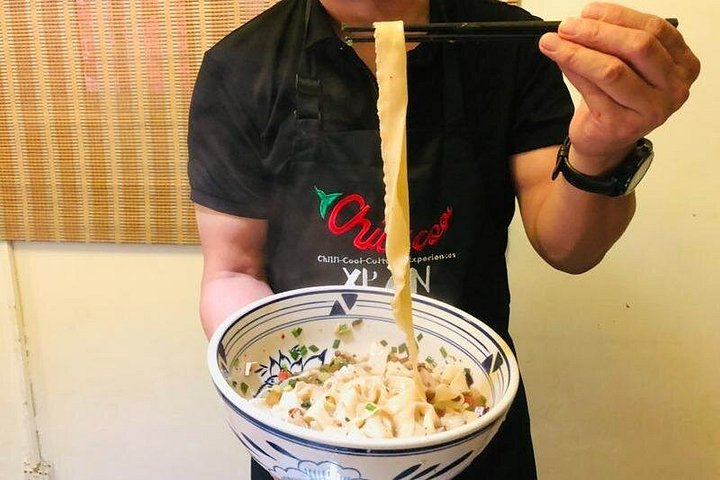
The city’s signature dish is a bowl of very wide, thick, hand-pulled noodles, tossed with hot oil, chilli, garlic, vinegar and greens. The dough is slapped against the counter as it is stretched, which gives the dish its name and its chew. It is filling, so share a bowl at first. If you want to understand how it is made, the noodle cooking class with a market visit teaches the technique, and it is a good activity early in a trip because it helps you choose what to order afterwards.
Roujiamo
Often called a Chinese hamburger, this is slow-cooked, finely chopped meat stuffed into a crisp, round flatbread. The classic version uses pork, and Muslim stalls make it with beef or lamb. It is cheap, quick and easy to eat while walking, and it is the best snack for a first taste of the city.
Yangrou paomo
This lamb stew is Xi’an’s most famous sit-down meal. You are given a hard, flat bread and asked to tear it into small pieces by hand, which takes a few minutes, and then the kitchen ladles hot lamb broth over the bread with noodles and sometimes a spoon of chilli paste. It is rich, warming and very satisfying in cool weather. Tear the bread as small as you can, because smaller pieces absorb the broth better.
Cold skin noodles and other cold dishes
Liangpi are chewy wheat or rice noodles served cold with chilli oil, vinegar, cucumber and sesame. They are refreshing in summer and a good counterpoint to heavier dishes at any time of year. Look also for cold salads of dried tofu, peanuts and vegetables.
Skewers, sweets and drinks
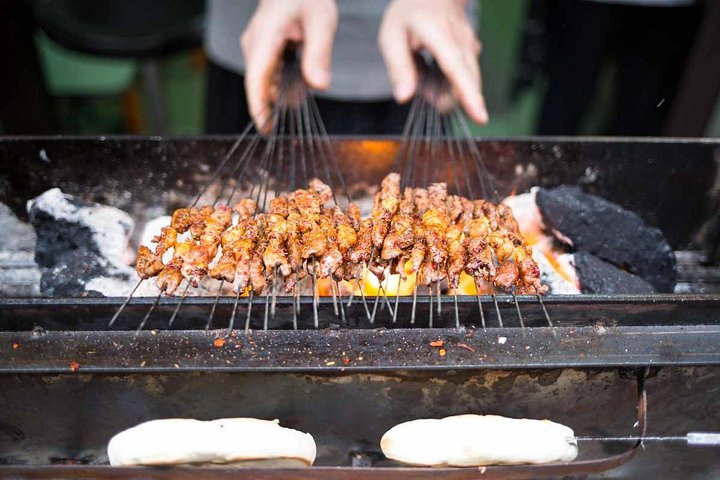
Lamb skewers dusted with cumin and chilli are everywhere after dark. For dessert, look for sticky persimmon cakes, sweet rice cakes with osmanthus flowers and nut-studded sweets. A glass of sour plum juice is a popular cooler, and a local soft drink, still sold in glass bottles at many stalls, is an old favourite. Shaanxi is also known for its baijiu, a strong grain spirit, which is usually drunk in small glasses with a meal.
Where to eat
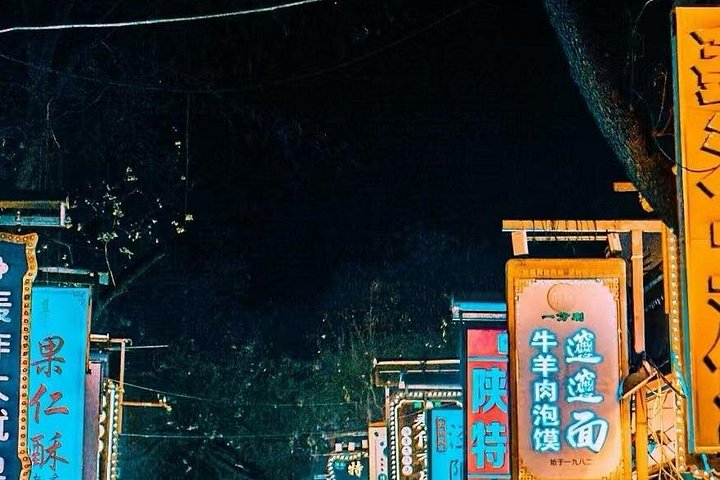
The Muslim Quarter, in the lanes behind the Drum Tower, is the most famous food street and the most crowded. It is lively and fun, and its stalls are a good first stop for roujiamo, skewers and sweets, though prices can be higher and quality uneven, so look for stalls with a queue of locals. For quieter meals, walk a block or two off the main lane, where small family restaurants serve noodles and stews at lower prices. Around the Giant Wild Goose Pagoda, the Tang-themed streets have restaurants that cater to groups and to visitors who want a sit-down meal with a view. Food courts in large shopping centres are an easy, clean fallback with picture menus.
Halal and dietary needs
The Muslim Quarter is home to the Hui community, and many restaurants there are halal, serving beef and lamb but no pork. Elsewhere, pork is common, and stock and oil can be hard to see, so vegetarians and travellers with allergies should be careful. Learn a few phrases or save a note in Chinese describing your needs, and mention them when you book a food tour or class, where the guide can plan the stops. Wheat is central to the cuisine, so avoiding gluten is very hard.
Spice and etiquette
Shaanxi food is seasoned heavily with chilli oil, but you can ask for less spice. Eating noodles loudly is not rude, and sharing dishes is normal. Tipping is not expected. Many stalls prefer mobile payment, so set up a payment app that accepts foreign cards before you arrive, and keep some yuan in cash for small vendors who do not use it. Drink bottled or boiled water, and use hand sanitiser before eating with your hands.
A tasting plan
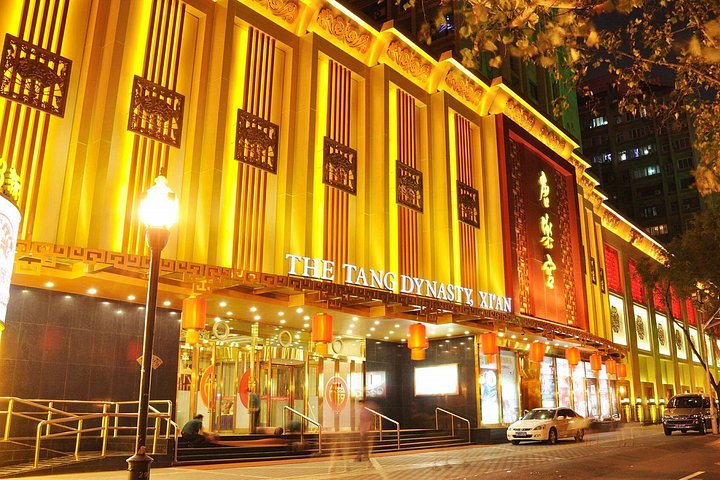
On your first evening, join the street food tour by tuk-tuk, which links the best stops in a few hours and teaches you what to look for. Next day, take a bowl of biang biang noodles at lunch and finish with lamb and bread soup for dinner. Keep one evening for a Tang-style banquet at the dinner show, where the dumplings arrive in dozens of shapes and fillings. That sequence covers most of what the city is known for.