Xi’an is one of the great historic cities of China, the eastern end of the Silk Road and the capital of the country for more than a thousand years. Its sights fall into three groups: the old town inside the Ming city wall, with the Bell and Drum Towers, the Muslim Quarter and the Great Mosque; the Tang-era sights to the south, including the Giant Wild Goose Pagoda and the Shaanxi History Museum; and the great sites outside the city, the Terracotta Army, Huaqing Palace and Mount Huashan. The first decision is how long you have, and the second is what to reserve ahead.
How many days
Two days covers the Terracotta Army and the old town. Three days is better: add the History Museum and the Giant Wild Goose Pagoda, plus a cooking class or food tour. With four or five days you can add Mount Huashan, which needs a full day, and slow the pace down.
What to book first
The Terracotta Army and the Shaanxi History Museum both tie entry to your passport or ID, so have it with you. The museum has limited free tickets each day, so reserve early. A ticket for the Terracotta Army, a food tour, a cooking class and the Tang dynasty show are all easy to arrange a few days ahead. Mount Huashan is best booked for a clear weekday, as the weather can close sections of the mountain.
The old town
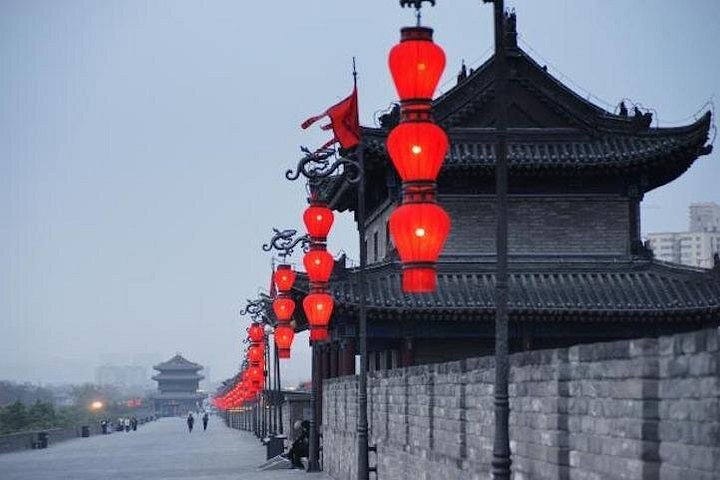
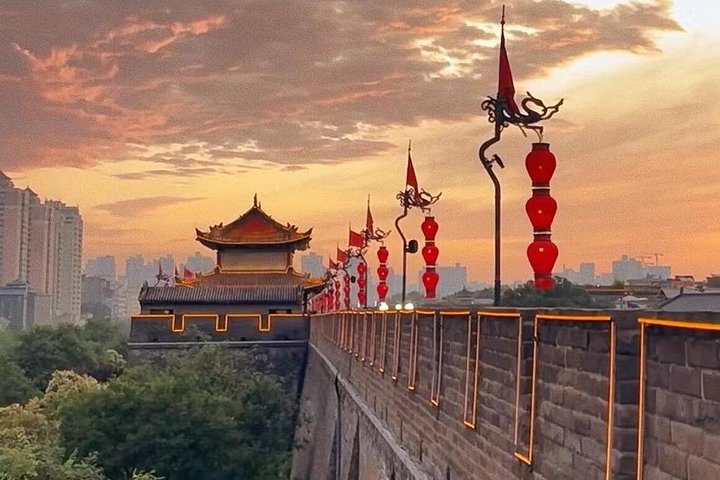
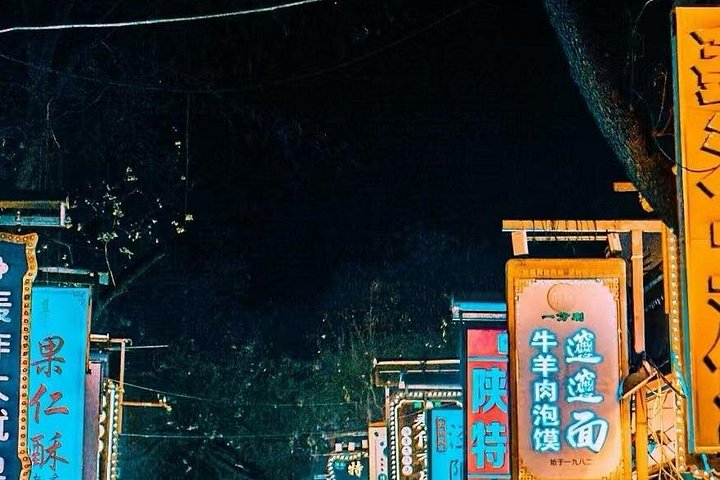
The City Wall is about 13.7 kilometres around, and cycling it takes about two hours. The Bell and Drum Towers stand a few minutes apart, and the Muslim Quarter and the Great Mosque are right behind the Drum Tower. All of this can fill one day, ending with dinner on the food street. The wall and the towers look best at dusk when they are lit.
The Tang south
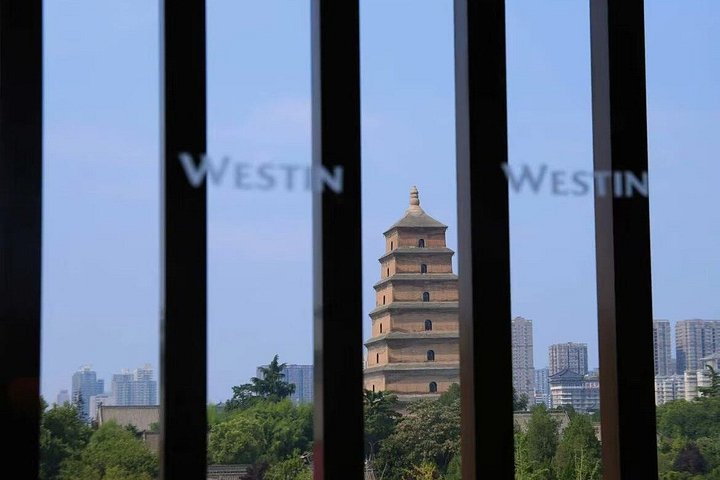
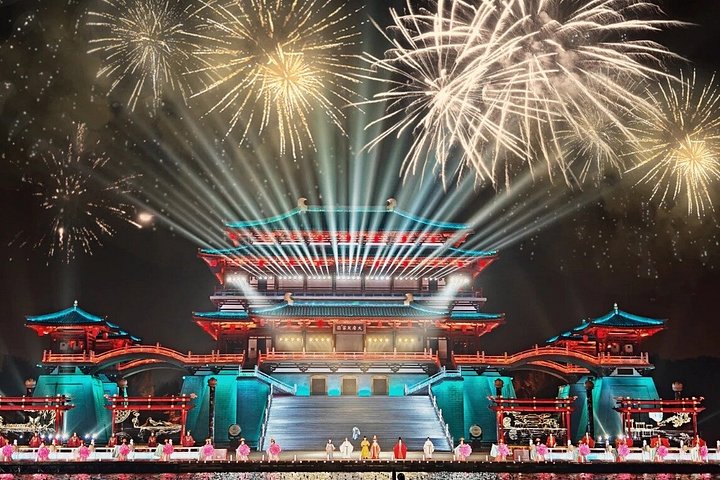
The Giant Wild Goose Pagoda was completed in 652 and sits inside the Daci’en Temple, with a lively Tang-themed district beside it. The Shaanxi History Museum is not far away, so the two fit well into a single day. A Tang dynasty show in the evening rounds it off.
Day trips
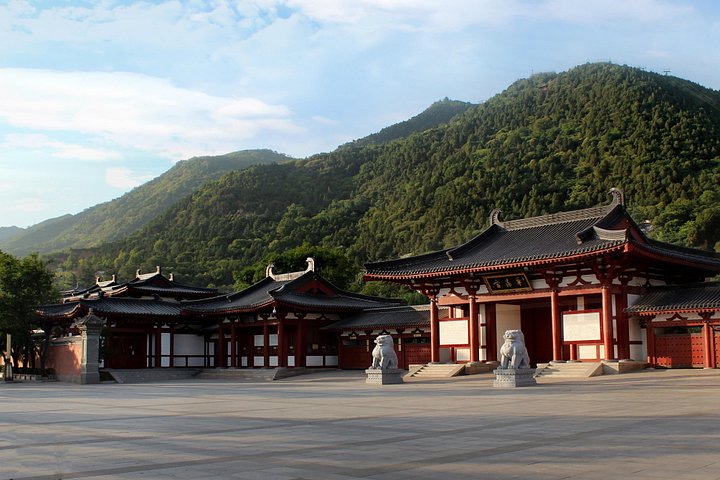
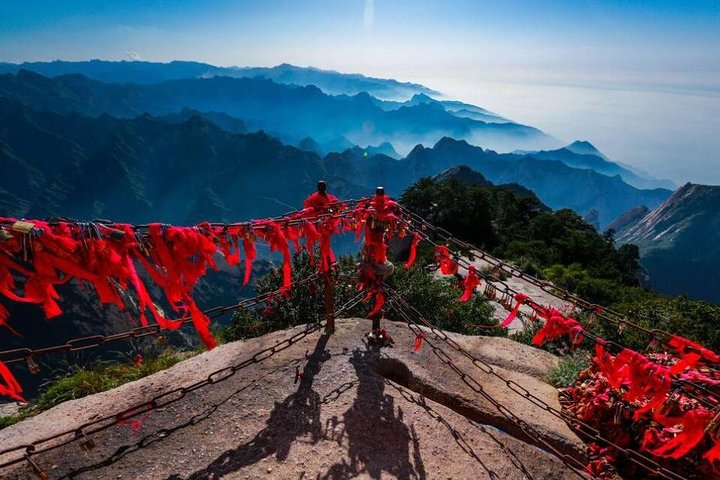
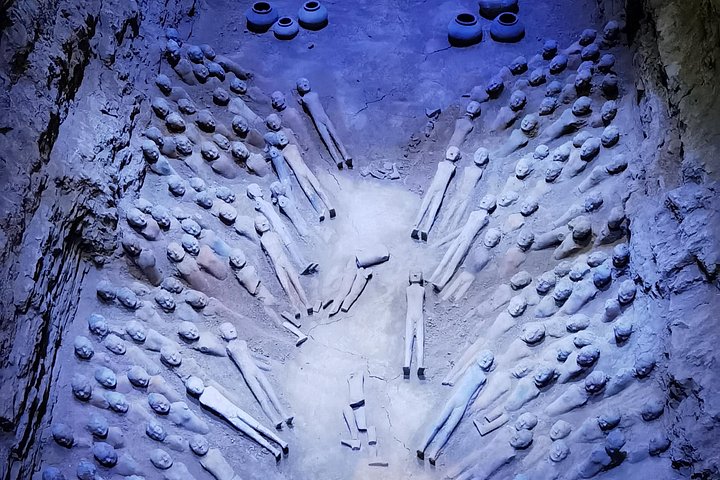
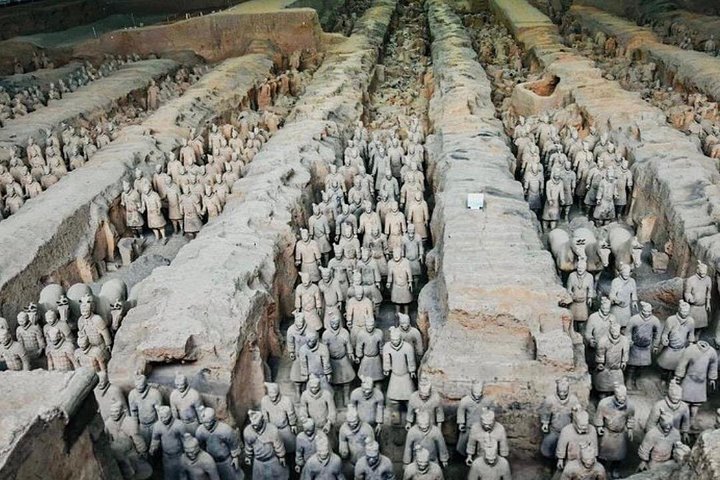
The Terracotta Army is about 40 kilometres east and takes about three hours to see, plus the journey. Huaqing Palace, the Tang emperors’ hot-spring retreat, is nearby and is often paired with it. Mount Huashan, about 120 kilometres east, is a demanding mountain day with steep stairs and the plank walk. Pick the Terracotta Army and one other, rather than three in a row.
Getting around
The metro is clean, cheap and signed in English, and Line 2 passes both the Bell Tower and the City Wall’s South Gate. Taxis and ride-hailing apps fill the gaps, and the high-speed train reaches Huashan in under an hour. Many places prefer mobile payment, so set up a payment app that accepts foreign cards before you arrive and carry some cash as a back-up. Save your hotel’s name in Chinese for taxis.
Food
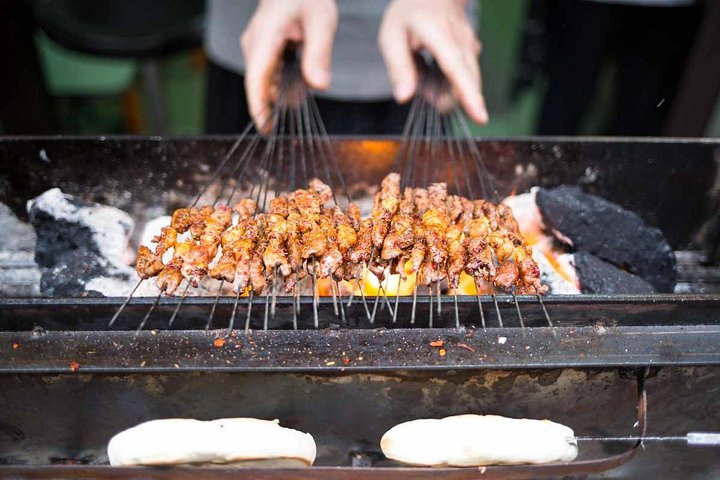
Eat as much as you can. Biang biang noodles, lamb and bread soup, skewers, cold noodles and sweet persimmon cakes are the stars, and a food tour early in your stay teaches you what to order afterwards. Ask for mild versions if you need less spice.
Entry rules
China has expanded visa-free entry for visitors from many countries and offers a visa-free transit for travellers continuing to a third country, but the rules, eligible countries and permitted stays have changed several times. Check the current requirements for your nationality with the Chinese embassy or consulate before you book flights, and carry your passport everywhere.
When to go
Spring and autumn are best. Summers are hot, and winters are cold and dry, with shorter opening hours at many sights. November is cool and often clear, with thinner crowds, though some evening events, including the Huaqing Palace night show and the Giant Wild Goose Pagoda fountain show, are paused. Avoid China’s national holidays, when every sight is packed.
A simple plan
Day one, the Terracotta Army at opening, then Huaqing Palace, and dinner in the Muslim Quarter. Day two, the City Wall by bike, the Bell and Drum Towers and the Great Mosque. Day three, the History Museum, the Giant Wild Goose Pagoda and an evening show. Add Mount Huashan if you have a fourth day.