Yokohama sits on Tokyo Bay, with a climate similar to Tokyo's: hot and humid summers, mild springs and autumns, and cool, dry winters. Because the main sights are outdoors and on the waterfront, the season matters. Here is what to expect and when each part of the city shines.
Spring
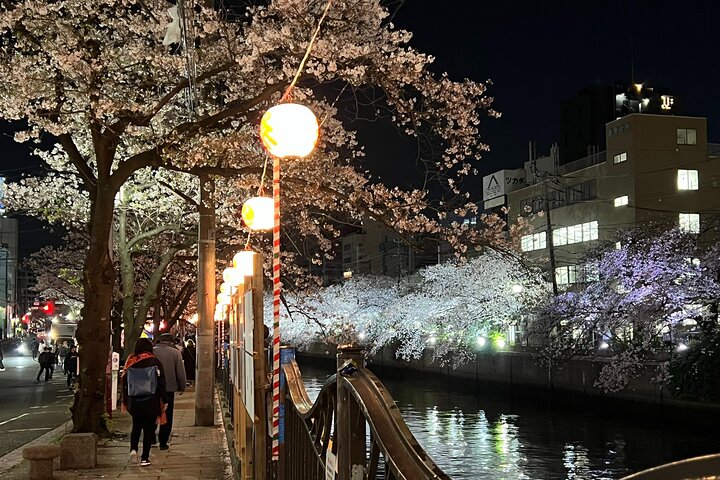
This is the most popular season, and for good reason. Cherry blossoms appear in the parks and along the waterways for a short period, and boat cruises, garden visits and picnic spots are at their best. Sankeien Garden is especially beautiful, and the rose beds at Yamashita Park begin to flower late in the season. Temperatures are comfortable, but crowds and hotel rates rise during the blossom weeks, so reserve early, and be flexible because the timing shifts each year.
Early summer
A rainy season arrives in early summer, bringing grey skies, drizzle and humidity. It is the quietest period for tourism, and a good time for museums, the Ramen Museum, the Cup Noodles Museum and covered shopping streets. Hydrangeas bloom in gardens, and the lower crowds make Sankeien pleasant between showers. Carry a compact umbrella and quick-dry clothing.
Midsummer
Summers are hot and humid, and afternoons can be exhausting. Plan outdoor sights for early morning or evening and use air-conditioned stops at midday. The harbor is lively, with evening cruises and fireworks displays that draw large crowds, and the breeze from the bay makes evenings pleasant. Drink water regularly, wear light clothing and use sun protection. Typhoons can arrive late in the season, occasionally disrupting transport, so keep your plans flexible and check forecasts.
Autumn
Autumn is the other best season. Skies are clear, temperatures are mild and the gardens turn red and gold. Roses bloom again at Yamashita Park, the harbor has a crisp, sparkling look and food festivals fill the Red Brick Warehouse plaza. Baseball playoffs may bring extra energy to the stadium area, and weekends are busy. Autumn colour peaks later than in Kyoto, usually late in the season, so aim for the later weeks if leaves matter to you.
Winter
Winters are dry, bright and often clear, which gives the best views of Mount Fuji from the observation deck of the Landmark Tower. The harbor is cold and breezy, so layers are essential, but crowds are thinner and hotel rates drop. Illuminations light up Minato Mirai and the Red Brick Warehouse hosts a Christmas market, which is a highlight for couples and families. Plum blossoms appear in gardens late in winter, a quiet pleasure at Sankeien.
Events and holidays
Japan has several holiday periods when domestic travel surges, including the New Year break, Golden Week in spring and the summer Obon period. Trains and hotels are crowded and prices rise, so avoid these dates if you can, or book months ahead. Local festivals, including harbor fireworks, Chinatown celebrations and the Noge street performance event, add colour, so check the calendar when you plan.
Our pick
If you can choose, go in spring or autumn for comfortable weather and the best gardens, and choose weekdays to avoid crowds. If you want views of Mount Fuji and lower prices, choose winter. If you are flexible and love museums and food, early summer is a bargain. Whatever season you pick, pack a light rain layer, comfortable shoes and a sense of curiosity.
Practical packing by season
In spring and autumn, bring layers and a light jacket, since mornings and evenings can be cool by the bay. In early summer, bring a compact umbrella and shoes that dry quickly. In midsummer, bring a hat, sunscreen, a handheld fan and a refillable bottle. In winter, bring a warm coat, gloves and a scarf for the waterfront wind. Comfortable walking shoes matter in every season, because you will walk more than you expect, and a small daypack keeps the essentials close.
Crowds and prices
The busiest times are the blossom weeks, Golden Week, the summer holiday period and the year-end break, when hotels fill and prices climb. Midweek visits in any season are calmer than weekends, and shoulder periods such as early summer and late winter offer the best value. If you are choosing between two dates, look at the local event calendar and avoid clashes with big concerts or sports matches, which can double hotel prices in the harbor area.