Most visitors see Yokohama in a rush between trains, but three days let you absorb the city properly. The sights fall into natural areas, the distances are manageable and the evenings are some of the best parts of the trip. Here is a plan that keeps travel short and mixes famous sights with local experiences.
Day one: the waterfront
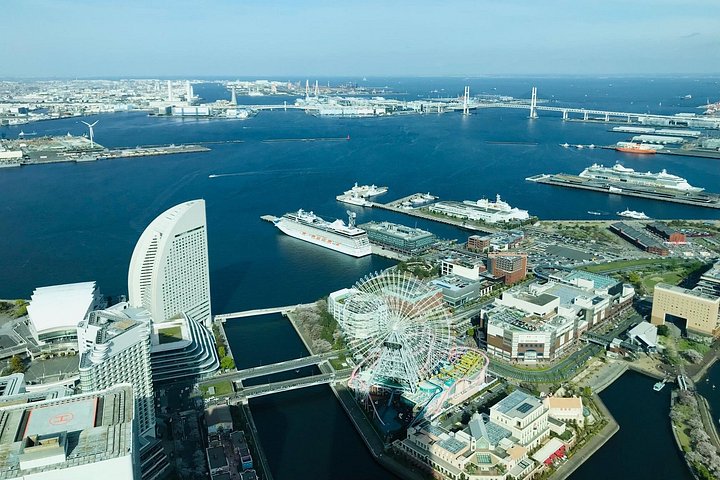
Start at Minato Mirai in the morning, when the promenades are quiet. Walk past the Landmark Tower and the Cosmo Clock, visit the Cup Noodles Museum if you have children or an appetite, and then stroll along the water to the Red Brick Warehouse. After lunch, take a harbor boat ride from a nearby pier for the view of the Bay Bridge and the skyline. In the late afternoon, walk to Yamashita Park and the Hikawa Maru, and time your arrival for sunset, when the harbor lights come on. Finish with dinner in Chinatown.
Day two: gardens, ramen and the port story
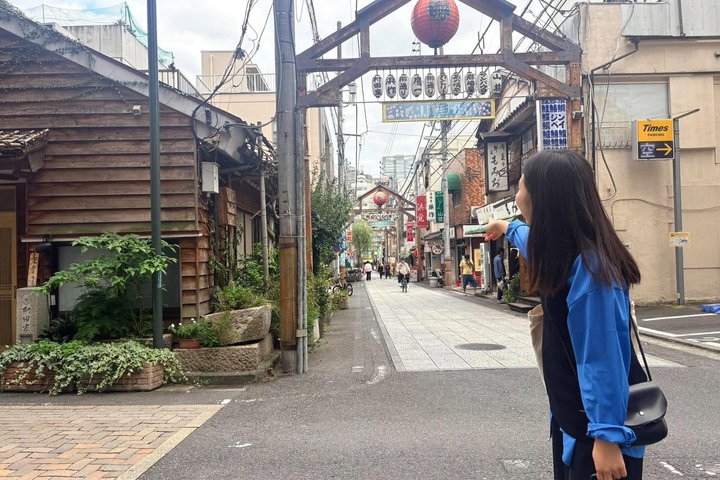
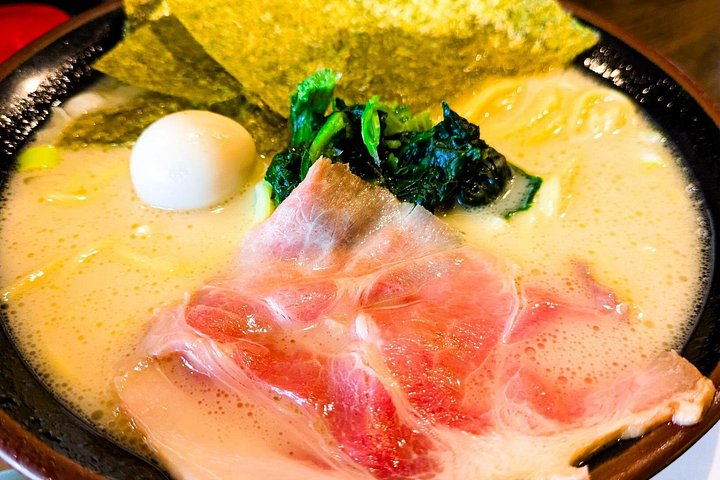
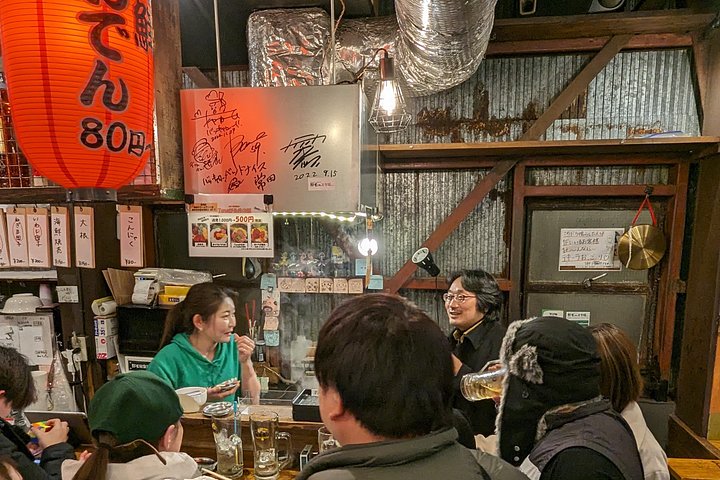
Spend the morning at Sankeien Garden, which takes about two hours, or longer if you stop for tea. Take the bus back toward the centre and try an Iekei ramen lunch, Yokohama's own style. In the afternoon, follow the port-opening story with a self-guided audio walk through Kannai, visit the Yokohama Archives of History and perhaps catch a baseball game in the evening at the stadium if the season is on. If you prefer food, add a guided izakaya tour in Noge instead.
Day three: the hills and the markets
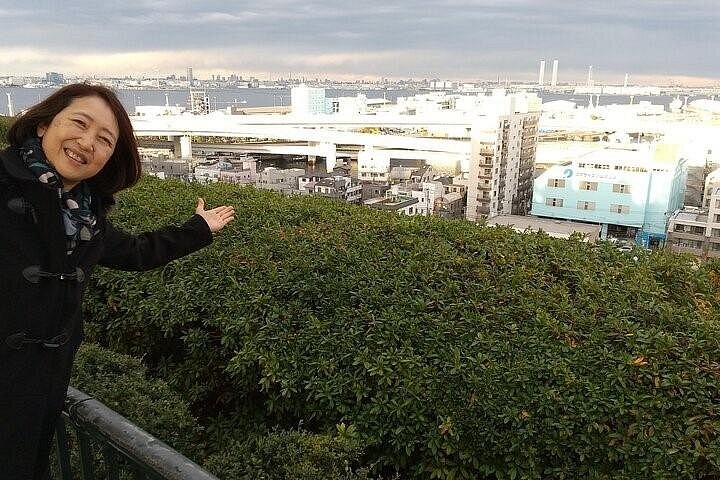
Begin on the Yamate Bluff, where historic houses, the foreign cemetery and the harbor viewpoint make a calm start. Walk down to Motomachi for shopping and a coffee, then take a late morning visit to the fish market or the Ramen Museum, depending on your interest. If you like cars, finish the trip with an evening tour to the Daikoku Parking Area. If you prefer a quiet end, return to Minato Mirai for a last view from the observation deck of the Landmark Tower and dinner overlooking the water.
If you only have two days
Combine day one as written with a shortened day two: Sankeien in the morning and Chinatown and the Bluff in the afternoon. Skip the museums and the evening activities, and use a guided overview tour if you want to cover the highlights with less planning.
Weather and rhythm
Rain is common in early summer, so keep a flexible plan with indoor alternatives such as the Cup Noodles Museum, the Ramen Museum and the Red Brick Warehouse. Summer afternoons are hot, so schedule indoor stops between noon and three. In winter, daylight ends early, so start the outdoor sights first thing and save indoor stops for the afternoon. Always leave an hour of slack for transit and queues.
Transport tips
Most of day one is on foot, with short subway rides. Day two needs a bus to Sankeien, so check the schedule. Day three uses the Minatomirai Line between the Bluff and Minato Mirai. A rechargeable transit card makes everything simple, and day passes are available if you plan many rides. Hotels in Kannai or Minato Mirai give the shortest daily travel. Evenings run late, but last trains leave around midnight, so plan your return before a long night out.
Adjusting the plan
Swap days around depending on weather and opening days. Some museums close on a weekday, and the Cup Noodles Museum is typically closed once a week, so check before you commit. If you have a fourth day, add a day trip to Kamakura or Hakone. If you want less walking, take the guided option on day one and use taxis for the hills, keeping your energy for the evening.
A rainy-day alternative
If the weather turns, swap the outdoor sights for indoor ones. Spend the morning at the Cup Noodles Museum and the Red Brick Warehouse, take lunch in a Minato Mirai mall, visit the Ramen Museum in the afternoon and choose a covered shopping street for the evening. Museums, shops and food halls are plentiful, and a day of drizzle can still be satisfying.
Keep one evening free for a long, slow dinner, because food is a highlight of any Yokohama trip.