Yokohama is a city built around the outdoors, with a waterfront promenade, a hillside of gardens and a skyline best seen from the harbor. That makes a wet day feel like a problem, but it does not have to be. The city has a strong set of hands-on, indoor and partly covered experiences, and many of them are more memorable than a standard sightseeing walk. This guide gathers the best of them and explains how to build a day around rain, heat or cold.
Know the seasons
The wettest spells are the early summer rainy season, usually from June into July, and the typhoon period in late summer and early autumn. Winter is dry and often sunny but cold by the water. Spring brings occasional showers, and autumn can turn wet quickly after a clear start. Check the forecast the evening before, keep a compact umbrella in your bag and treat a wet day as a reason to switch to the indoor half of your plan rather than a reason to cancel the trip. Many of the most rewarding things in the city are unaffected by weather at all.
Cook something
A cooking class is the classic wet-weather plan, and Yokohama offers several. A home-style Japanese cooking class teaches everyday dishes built on stock, soy sauce and rice, and ends with a shared meal. A sushi and gyoza session adds a matcha finish, and a wine and sushi workshop pairs a hand-made lunch with a local drink. All three run indoors, last two to three hours and suit beginners. Mention allergies and dietary needs when you reserve, because fish stock, soy, wheat and pork appear in many Japanese dishes. If you are choosing only one, pick the home-style class for the broadest introduction.
Sit down for tea
A hosted tea ceremony in a private home is quiet, short and entirely indoors. You learn how matcha is prepared, how to hold the bowl and why every motion is deliberate. It suits travellers who want something calm after a busy few days, and it works for couples, solo visitors and older guests. Allow travel time, since the home is outside the central harbor district, and wear clothes that let you sit comfortably on the floor.
Dress up
A kimono or yukata experience is about photographs, so rain changes the plan more than most. Ask the operator what happens in wet weather, because dressing and short covered walks can still be rewarding. Many visitors choose a dry day for the outdoor portrait stage and a wet one for the indoor dressing and tea, so keep your options open if your dates are flexible.
Museums and food halls
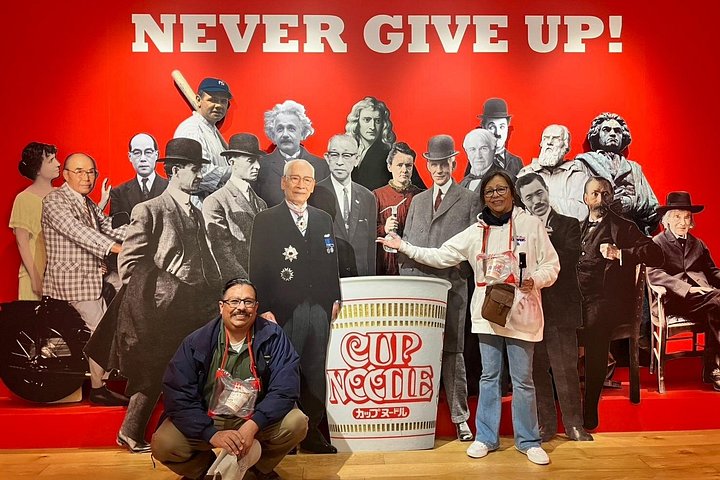
The Cup Noodles Museum is one of the best rainy-day options in the city, with exhibits, a creative workshop where you design your own cup and an area of noodle stalls from around the world. The Shin-Yokohama Ramen Museum recreates a retro street and brings together bowls from several regions of Japan, which makes it a satisfying, warm place for lunch. The Hikawa Maru, a museum ship from 1930, has indoor decks and lounges that reward a slow visit even in drizzle, though the gangways and decks can be slippery.
Shop under cover
The malls around Minato Mirai are connected by covered walkways and stairs, so you can move between the Landmark Plaza shopping complex, the waterfront and nearby stations with little exposure to rain. The Red Brick Warehouse offers shops and cafes in a historic setting, and Mitsui Outlet Park at the bay is a full-day option for bargain hunters. Keep in mind that big shopping complexes are crowded on wet weekends, so go on a weekday if you can.
Eat your way through the weather
Ramen is the ideal rain food, and Yokohama has its own style of rich, soy-based bowls. A guided ramen tour keeps you moving between shops with only short walks. Chinatown also has plenty of covered eating, with dumpling houses, bakeries and tea shops that make a wet afternoon pleasant. In the evening, the Noge district has small bars and izakaya under awnings and in narrow lanes, which is an easier way to enjoy the nightlife on a damp night.
Pair indoor and outdoor
A good wet-day strategy is to treat showers as short interruptions. Plan a morning class, then watch the sky at lunchtime. If it clears, walk the waterfront and Yamashita Park, where the scenery looks fresh after rain. If it stays wet, move to an afternoon museum or a covered shopping stop. Carry a light waterproof layer rather than relying on an umbrella in strong harbor wind, and wear shoes that cope with wet pavement.
Hot and cold days are similar
Everything above also works in summer heat, when midday is better spent indoors, and in winter, when a warm class or a bowl of ramen beats an hour on the exposed waterfront. Save the long outdoor stretches for early morning or evening in summer and for the middle of the day in winter. That rhythm, outdoor at the comfortable hours and indoor in between, is how many locals handle the climate.
A sample wet day
Start with a late breakfast, then take a cooking class in the late morning. Eat the meal you made, walk to the Cup Noodles Museum in the afternoon and finish with dinner in Chinatown or a ramen stop in Kannai. If you want a calmer day, swap the museum for a tea ceremony and an early night walk once the rain stops. Either way you will have done something that feels more specific to Yokohama than a day of looking at buildings from a bus window.