Yokohama is one of Japan's main cruise ports, and many ships call here on the way to and from Asia, Alaska and the Pacific. Cruise passengers face a choice: take a ship excursion to Tokyo or Mount Fuji, or stay in Yokohama and enjoy a relaxed day close to the ship. Staying local is easier than most people expect, and it removes the risk of a long journey back to the pier.
Know your terminal
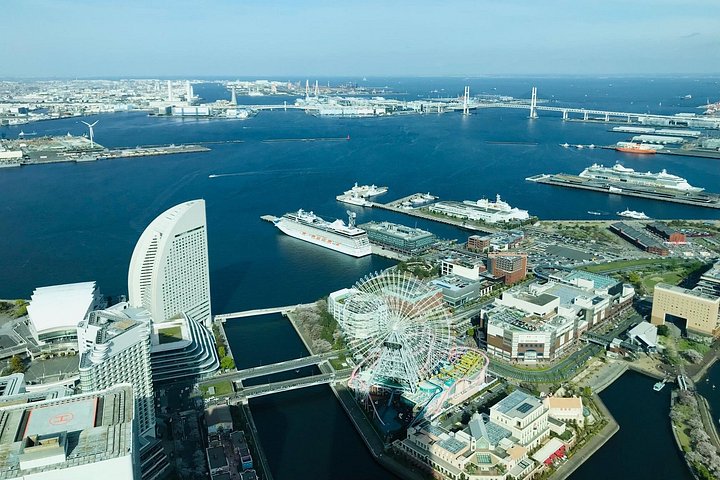
Cruise ships use berths at large terminals in the harbor, including a pier close to the waterfront. Which pier your ship uses affects your plan, because some are within walking distance of Minato Mirai and others need a bus or taxi to reach the city. Check your ship's port information before you land, and ask the crew about shuttle services and the last boarding time. Passport and ship card are essential, and you should carry a card with the ship's name and address in case you need to ask for directions.
A simple port-day circuit
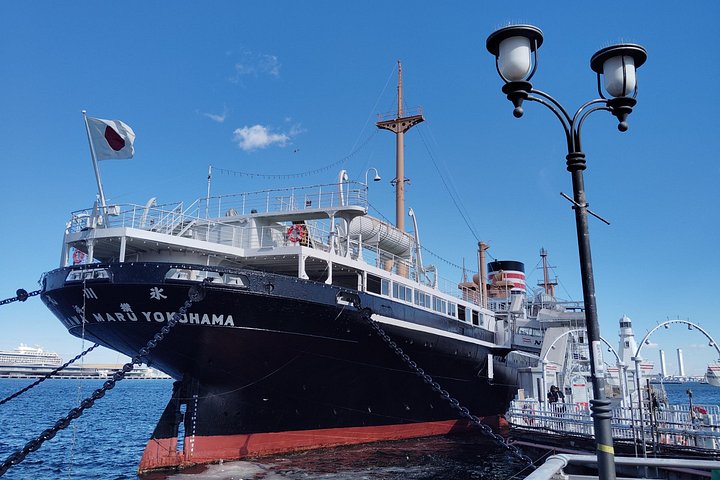
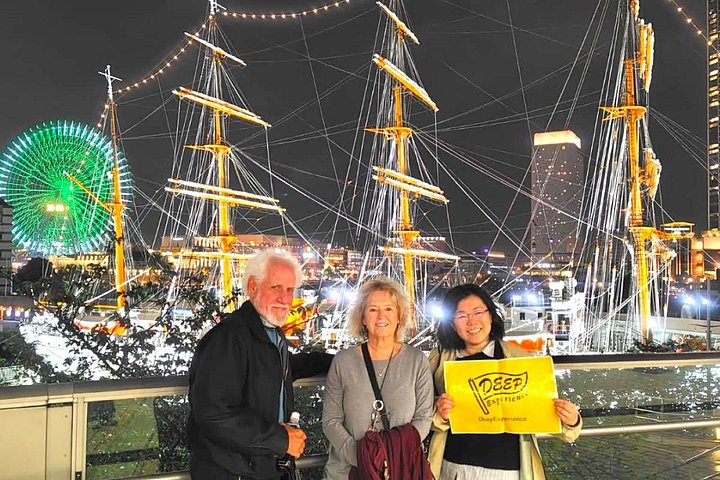
If your ship docks close to the waterfront, a walking circuit covers the best of the city. Start at Minato Mirai, walk past the Cosmo Clock and the Red Brick Warehouse, continue to Yamashita Park and the Hikawa Maru, and lunch in Chinatown. The whole loop is flat, takes about four hours at a relaxed pace and can be shortened or extended. A guided half-day overview adds context and handles transport, which suits first-time visitors to Japan.
Shore excursions and private tours
Cruise lines sell excursions to Tokyo, Kamakura, Hakone and Mount Fuji, which are all long days. Independent private tours are plentiful, but many full-day private tours cost far more than a typical independent day, and the cost per person only makes sense with a group. If you want a long day trip, compare the ship's price with independent options, check the return deadline and allow a generous margin, since traffic can slow the return. Smaller local tours, such as a food walk or a Sankeien visit, cost much less and keep you near the ship.
Transfers and luggage
Many cruises begin or end in Yokohama, so you may need to reach Haneda or Narita. Shared and private transfers are available, and trains from Yokohama Station to Haneda take about half an hour. Narita is much farther and takes over an hour and a half. If you have heavy luggage, consider luggage forwarding services that move bags between your hotel and the airport. On a turnaround day, you may have a few hours before the flight, which is enough for a Chinatown lunch.
Food and shopping on a short day
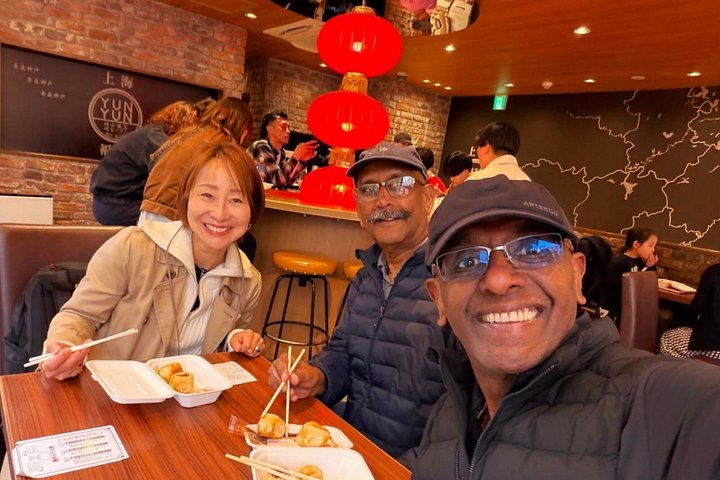
With limited time, pick one or two food experiences rather than trying everything. A Chinatown street food tour takes two hours and gives you a broad taste. A ramen lunch is quick and cheap. For souvenirs, the Red Brick Warehouse and the malls in Minato Mirai are convenient, and Motomachi is good for gifts. If you plan to shop for tax-free items, carry your passport and check the current rules.
Timing and safety margins
Be back at the ship well before the all-aboard time, ideally an hour early, and check whether your pier is far from your last stop. Weather can change quickly in spring and autumn, so carry a light rain layer. In summer, heat is a concern, so plan indoor breaks. Use the ship's emergency number if you are delayed, and keep your phone charged with a data plan or a travel SIM.
Staying on after the cruise
If you have extra days, base yourself in Minato Mirai or Kannai and use our three-day itinerary. Yokohama is a calmer alternative to Tokyo for the first or last night of a trip, with easy airport links and a pleasant harbor atmosphere.
Accessibility and families
The waterfront is flat and step-free, which suits wheelchairs, strollers and travellers with limited mobility, and many malls and museums have lifts and accessible toilets. Families can combine the Cup Noodles Museum with a Ferris wheel ride and a harbor cruise for a full day close to the ship. Check each venue's opening hours, because some museums close on one weekday, and carry small snacks and water for children.