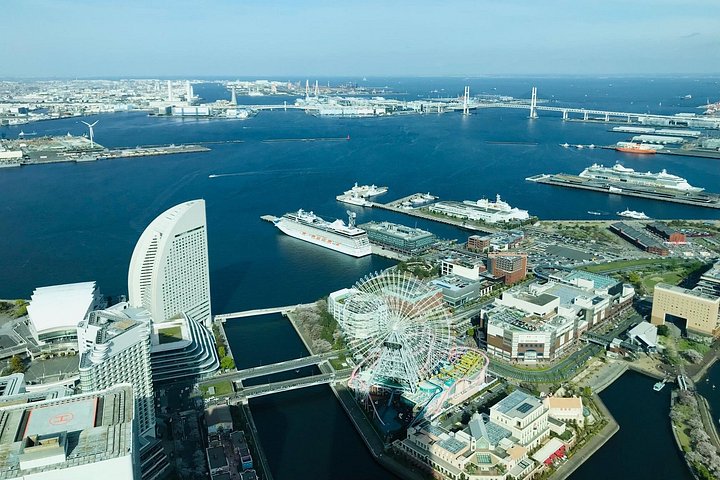
Yokohama is a big city, and the area you choose to sleep in shapes your trip more than the hotel itself. Three districts account for most visitors' choices: Minato Mirai on the waterfront, Kannai in the historic centre and the Yokohama Station area to the north. Each has a distinct character, and all are well connected by train and subway. Here is how to decide.
Minato Mirai: the skyline base
This is the postcard district, built on reclaimed land with towers, malls, parks and promenades. Staying here gives you views of the harbor, quick walks to the Cosmo Clock, the Red Brick Warehouse and the Cup Noodles Museum, and an easy subway ride to Chinatown. The Yokohama Royal Park Hotel sits in the Landmark Tower and is the best-known address. The trade-off is price: rooms with views cost more, weekends and event days sell out, and the district is quieter in the evening than other parts of the city.
Kannai: the walkable centre
Kannai is where the foreign settlement began and where the stadium, the Bashamichi street and several museums are found. It is the best area for walking to Chinatown, Yamashita Park and the Hikawa Maru, and it has the widest range of mid-priced hotels, including Hotel MyStays Yokohama Kannai. Restaurants, izakaya and cafes are plentiful, and Noge is a short ride or walk. The area feels like a working city rather than a resort, which many travellers prefer, and it is livelier on baseball nights.
Yokohama Station: the transport hub
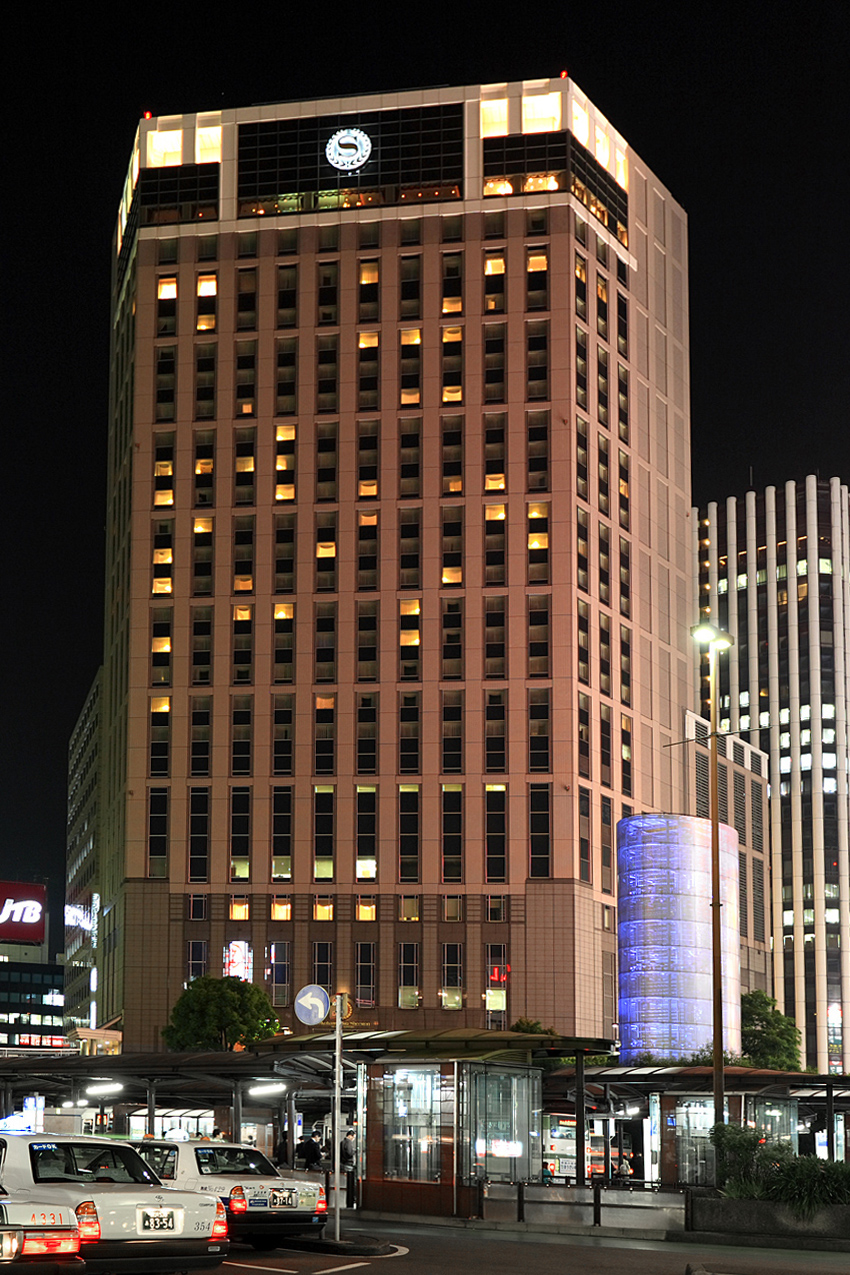
The station area is the busiest part of the city and the best for rail connections. If you plan day trips to Kamakura, Hakone or Tokyo, or you have an early flight from Haneda, a hotel here minimises transfers. The Yokohama Bay Sheraton Hotel and Towers is the major international option, with several chain and business hotels around it. The neighbourhood has department stores, food halls and endless dining, but it is less scenic, and you will ride a few minutes to reach the harbor.
Other options
Shin-Yokohama, near the Shinkansen station, suits travellers continuing west by bullet train and visitors who want the Ramen Museum and arena events. The Motomachi and Yamate area has very few hotels but offers a quiet residential feel. Further out, seaside areas on the south edge of the city have a relaxed atmosphere but need more travel time. Many travellers also stay in Tokyo and visit Yokohama as a day trip, which is fine, though you miss the evening lights.
Budget and room size
Japanese hotel rooms are compact, and prices vary with the season and day of the week. Weekday rates are often lower than weekends, and spring cherry blossom time, autumn weekends and fireworks days are the most expensive. Business hotels such as MyStays and Hotel Stay offer the best value and are clean and efficient, while design-led places such as Hotel Edit add style at a moderate price. If you travel with a large suitcase, ask about luggage storage and forwarding, and consider sending bags ahead between cities.
Our short recommendations
For a first visit and a splurge, choose Minato Mirai. For walkable sightseeing and value, choose Kannai. For fast rail access and day trips, choose the Yokohama Station area. For a quiet budget stay, pick one of the simple business hotels and spend your money on food and experiences. Whichever area you choose, check the map for the walk to the nearest station, because a few minutes can matter after a long day on your feet, and reserve early for weekends and festival periods.
Questions to ask before you reserve
Is breakfast included, and is it Japanese, Western or both? How far is the hotel from the nearest station, and which exit? Are there stairs or lifts to the street? Is a room on a higher floor available for quiet or views? Can the hotel store luggage before check-in and after check-out? A few quick answers can improve your stay and save you time on arrival and departure days, when you are often carrying bags.
Remember also that hotels in Japan often charge per room for two guests, with extra fees for additional people, so compare family rates carefully.