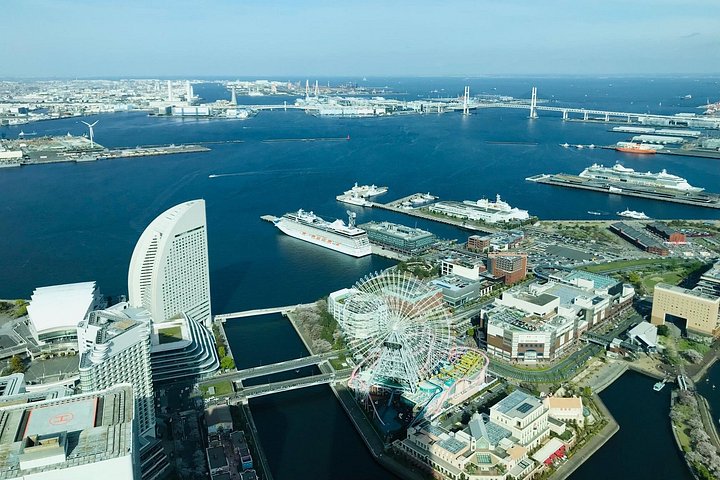
Yokohama is Japan's second-largest city and its most famous port, sitting about half an hour south of central Tokyo. Many visitors treat it as a half-day add-on, but it rewards a longer stay. The city grew from a fishing village after 1859, when the treaty port opened to foreign trade, and the legacy shows everywhere: a vast Chinatown, a hillside of Western-style houses, red brick warehouses, a historic ocean liner and a modern waterfront of towers and Ferris wheels. It is easier, calmer and more spacious than Tokyo, and the sights are compact enough to see on foot.
How to get there
Trains from Tokyo, Shibuya and Shinagawa reach Yokohama Station in roughly twenty-five to forty minutes, depending on the line. From Haneda Airport, the Keikyu line takes about half an hour. Shin-Yokohama Station, a stop on the Shinkansen, is a short subway ride from the centre and handy if you are arriving from Kyoto or Osaka. Once in the city, the Minatomirai Line links Yokohama Station, Minato Mirai, Bashamichi, Motomachi-Chukagai and the Chinatown area, and a tourist bus loop connects many of the main sights.
The areas at a glance
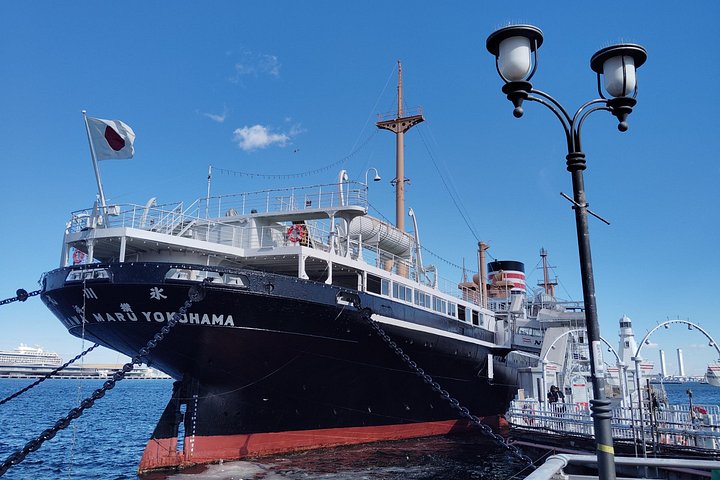
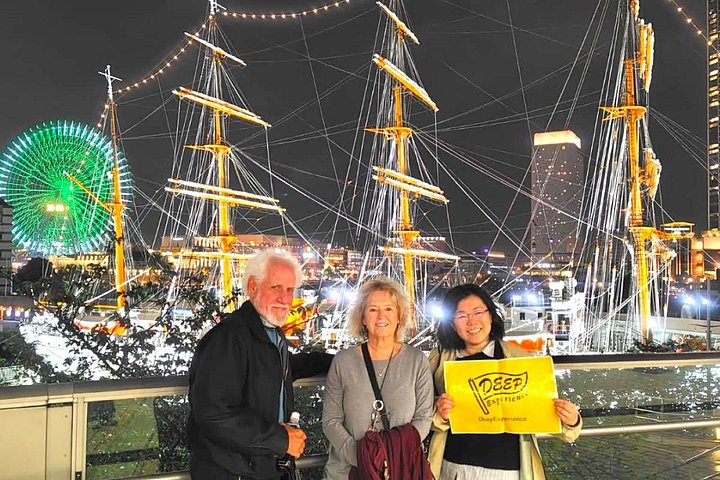
Minato Mirai is the modern waterfront with the Landmark Tower, malls, the Cosmo Clock Ferris wheel and the Cup Noodles Museum nearby. Kannai is the old centre, with the stadium, the port-opening streets and the Red Brick Warehouse close to the water. Yamashita Park, the Hikawa Maru and Chinatown line the harbor to the south. Motomachi and the Yamate Bluff rise behind them. Sankeien, the Ramen Museum and Noge are further out and each needs a short ride. If you remember those clusters, planning becomes simple.
What to do first
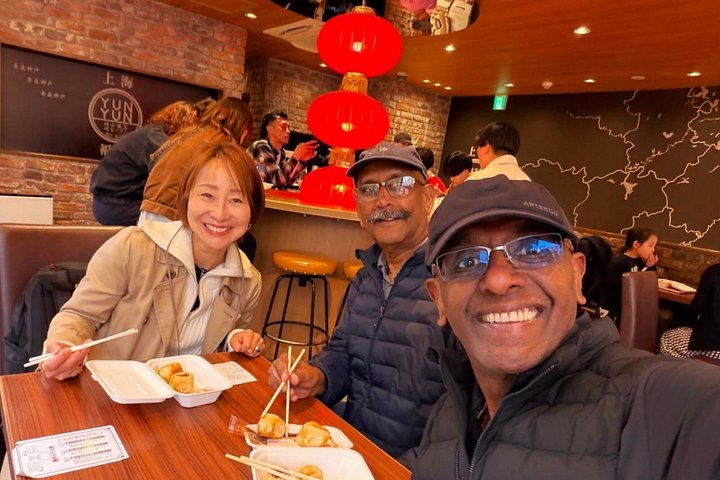
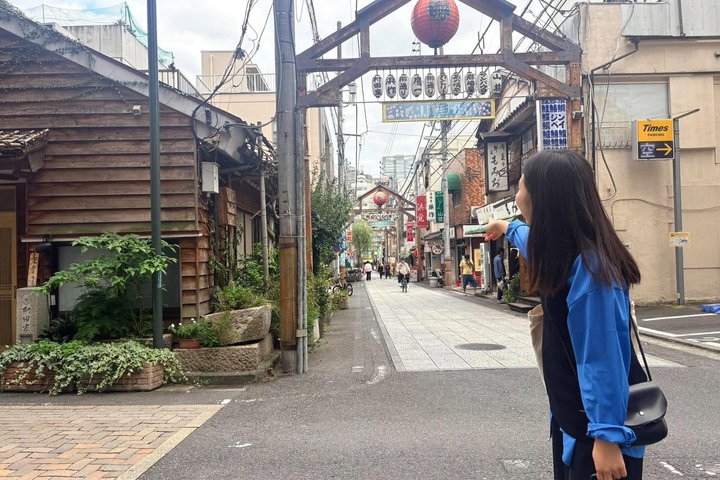
If you have a single day, start at Minato Mirai in the morning, walk along the waterfront to the Red Brick Warehouse, continue past the Hikawa Maru and Yamashita Park, and lunch in Chinatown. In the afternoon, climb the Bluff or head to Sankeien. A guided overview can save planning time, and a self-guided audio walk tells the port-opening story cheaply. Save the evening for the harbor lights, either from a boat or from Yamashita Park, then finish in Noge if you want a local night out.
What to reserve ahead
Most sights sell tickets at the gate, but a few things reward planning. Workshops at the Cup Noodles Museum, especially the chicken ramen session, fill up. Bar-hopping and food tours are small-group experiences and sell out on weekends. Cherry blossom boat cruises sell fast in the short blossom window. Baseball games on weekends and against popular rivals can sell out. Everything else, from Sankeien to the Hikawa Maru, can usually be handled on the day.
Money, language and etiquette
Cards are widely accepted in malls, hotels and larger restaurants, while small stalls, izakaya and some temples prefer cash. A rechargeable transit card makes every train and bus simpler. English signs are common on main routes and in tourist areas, though menus in smaller restaurants can be Japanese only. Keep your voice low on trains, queue in lines at platforms, and carry your rubbish until you find a bin, since public bins are scarce. Tipping is not expected.
How many days
One day gives you the highlights, two days let you add Sankeien, a museum and an evening out, and three days let you slow down, take a harbor cruise, spend time in Kannai and make a day trip to Kamakura or Hakone, both of which have their own guides on Twickly. Because Yokohama is so close to Tokyo, many travellers base themselves here and commute into the capital, enjoying quieter evenings and often lower hotel prices.
A few last tips
Weekends and holiday periods bring crowds to Chinatown and the Red Brick Warehouse, so go on weekdays when you can. Summers are hot and humid, with typhoon risk later in the season, while spring and autumn are mild and bright. Winter is dry and often clear, which is the best time for views of Mount Fuji from the Landmark Tower. Wear comfortable shoes for the hills, bring a light rain layer in any season and leave time to simply sit on a bench by the water and watch the ships.